Mouth Breather Face: What It Is, What Causes It, and Whether It Can Be Corrected

The facial changes associated with chronic mouth breathing are real and clinically documented. Whether they can be modified or only managed depends almost entirely on whether treatment starts during growth or after it. Guidance from Dr. Jacob at Smile City Orthodontics, Sunnyvale, TX.

“Mouth breather face” refers to a pattern of facial and dental development that can result from chronic mouth breathing during childhood, including a long, narrow face, a high-arched palate, an open bite, and crowded teeth. These changes develop gradually because the forces of nasal breathing, tongue posture, and lip seal that normally shape jaw growth are absent. In growing children, airway orthodontics can redirect that development and reduce the severity of these changes. In adults whose growth is complete, treatment focuses on managing the dental and airway effects rather than altering the facial structure itself. Identifying the cause of the mouth breathing is the first step, because the cause determines the treatment.

“Mouth breather face” has become a recognizable term online, but the clinical concept behind it is not new. Orthodontists have documented the relationship between airway obstruction, habitual mouth breathing, and altered facial development for decades. The facial pattern that results is distinct enough that experienced clinicians can often identify chronic childhood mouth breathing from the structure of the face alone.

What the term does not capture is the range of severity, the different causes that can produce similar-looking results, and the meaningful difference between what can be done during growth versus after it. Those distinctions matter for any family trying to decide whether and when to pursue treatment.

Dr. Jacob at Smile City Orthodontics in Sunnyvale has specific training and technology for airway orthodontics, including CBCT 3D imaging that shows the airway itself, not just the teeth. The breakdown below follows the same framework used in that clinical evaluation.

orthodontist showing x ray image to patient - Mouth Breather Face: What It Is, What Causes It, and Whether It Can Be Corrected in Sunnyvale TX

What “Mouth Breather Face” Actually Looks Like

The clinical term most commonly used is “adenoid facies,” though the pattern can develop from any cause of chronic mouth breathing, not just enlarged adenoids. The features that develop tend to cluster together because they all result from the same underlying disruption: the absence of the nasal breathing mechanics and tongue posture that normally guide how the jaws and face grow.

The characteristics most commonly associated with the pattern include:

  • A long, narrow face. The lower third of the face elongates, giving a vertically stretched appearance. The cheekbones appear flatter and the face narrower than would be typical.
  • A narrow upper jaw. Normal tongue posture, with the tongue resting against the roof of the mouth, provides gentle outward pressure that helps the upper jaw develop its proper width. Mouth breathers frequently hold the tongue low in the mouth, removing that pressure. The result is a narrow, V-shaped upper arch rather than a broader, U-shaped one.
  • A high, arched palate. Related to the narrow upper jaw, the roof of the mouth appears high and vaulted rather than flat and wide.
  • An open bite or anterior open bite. The front teeth may not meet when the back teeth close together, partly because the tongue position and swallowing pattern associated with mouth breathing encourages this.
  • Lips that rest apart. The lips do not naturally seal at rest, and the lower lip may appear to strain slightly to close against the upper teeth.
  • A recessed or underdeveloped chin. The lower jaw may appear to sit further back than ideal, partly because of the altered growth direction.
  • Dark circles or puffiness under the eyes. Chronic nasal congestion or obstruction, a common cause of mouth breathing, can cause venous pooling under the eyes that produces dark circles even in children.

Not every chronic mouth breather develops all of these features, and the severity varies widely. Genetics plays a role alongside habit and obstruction. But the pattern is consistent enough that it is clinically recognizable.

The Distinction That Decides the Treatment Path

Two different causes can produce the same mouth-breathing habit, and they point toward different treatments.

Structural or medical obstruction means there is a physical reason the airway is blocked, making nasal breathing difficult or impossible. Enlarged adenoids or tonsils are the most common cause in children. A deviated nasal septum, nasal polyps, severe allergies causing chronic congestion, or a structurally narrow airway passage can all produce the same result: the child breathes through the mouth because the nose does not work well enough. In these cases, the mouth breathing is a secondary effect of an airway problem, and the primary treatment is often medical or surgical. Enlarged adenoids and tonsils in children are addressed by a pediatric ENT. Nasal structural issues may need ENT evaluation as well. Orthodontic treatment addresses the dental and skeletal changes that have already developed and may work to support airway space through expansion.

Habitual mouth breathing occurs when the airway is structurally adequate but the patient has developed a habit of breathing through the mouth, sometimes starting from a period of congestion that then continued as a default pattern. In these cases, the airway itself is not blocked, but the tongue posture, lip seal, and nasal breathing mechanics have not been consistently engaged. Treatment focuses on myofunctional therapy to retrain the breathing pattern, orthodontic management of the dental changes, and monitoring development.

In practice, many patients have a mix of both: some anatomical contribution alongside a habitual component. The CBCT imaging used at Smile City Orthodontics can assess the airway dimensions directly, not just the teeth, which allows Dr. Jacob to quantify the structural picture before making a treatment recommendation.

How Chronic Mouth Breathing Changes Facial Development

Understanding this requires a brief look at what normal jaw development depends on.

The bones of the face and jaws are unusually responsive to soft tissue forces during growth. The upper jaw is not a single rigid structure; it develops under the influence of the tongue pressing upward against the palate, the lips maintaining a seal that provides gentle inward pressure from the front, and nasal airflow passing through and above the palate. This combination of forces from multiple directions is part of what shapes a broad, well-proportioned arch.

When a child breathes chronically through the mouth, several of those forces change. The tongue drops from the palate, removing the lateral expansion pressure. The lips part at rest rather than sealing. The jaw drops slightly and the head often tilts forward and downward to keep the airway open. Over months and years, the jaw grows more in the vertical direction and less in the forward direction. The upper arch narrows. The face elongates.

This is not a rapid or obvious process. It happens slowly, over years of development, which is why parents often do not notice until the changes are already well established. It is also why the window for redirecting development is during childhood growth rather than after.

The Dental Changes That Develop Alongside the Facial Pattern

The dental effects of chronic mouth breathing are closely tied to the skeletal changes but are worth naming separately because they are often the reason families first seek an orthodontic evaluation.

  • Crowding is one of the most common presentations. A narrow upper arch does not provide enough space for all the upper teeth to erupt in alignment, so they crowd, rotate, or become impacted. The crowding is the visible symptom; the narrow arch is the underlying cause.
  • Posterior crossbite develops when the upper arch is so narrow that the upper back teeth sit inside rather than outside the lower back teeth when the jaws close. This is a functional bite problem, not just a cosmetic one, and it creates uneven wear on the teeth over time.
  • Anterior open bite occurs when the front teeth do not make contact when the back teeth are together. The gap can be small or significant, and it affects how effectively the patient can bite into food as well as sometimes affecting speech.
  • A gummy smile can develop when the front teeth over-erupt to compensate for vertical jaw growth, resulting in more gum tissue visible when smiling.
  • Increased overbite is sometimes also present, where the upper front teeth cover an excessive portion of the lower front teeth.

Why Timing Determines What Is Possible

The same facial pattern in a 9-year-old and a 35-year-old requires a fundamentally different conversation.

In a growing child, the jaw bones are still developing and the midpalatal suture is still open. Upper jaw expansion using a palatal expander can widen the arch, improve the airway space through the nasal cavity, and redirect vertical growth forces. Early intervention can meaningfully reduce the severity of the facial and dental changes before they fully develop. It does not reverse changes already established, but it can limit how far they progress and reduce the scope of what needs to be managed later.

In a teenager whose growth is largely complete, some modification is still possible, but the window for redirecting skeletal development has narrowed significantly. Dental corrections (braces or aligners) can address the tooth positions and bite, and surgical expansion (SARPE) can widen the upper jaw even after the suture has fused, but the facial bone structure itself is increasingly fixed.

In an adult whose growth is complete, the facial bone structure is largely set. Treatment focuses on correcting the dental and bite effects: orthodontic treatment for the crowding and bite issues, surgical options where the skeletal discrepancy is significant, and ongoing airway support. The facial appearance can be improved meaningfully in adults through comprehensive treatment, but the fundamental bone structure developed during childhood does not change.

A Guide to Treatment Direction by Age and Presentation

See how age and individual presentation can influence treatment planning.

Patient profileWhat’s driving itTypical treatment direction
Young child (5 to 9), obstruction presentEnlarged adenoids, tonsils, or nasal issueENT evaluation first; expander to support arch and airway width; habit/myofunctional guidance
Young child (5 to 9), habit-based breathingStructural airway adequate; habit establishedMyofunctional therapy; expander if arch is narrow; monitor growth closely
Older child or early teen (10 to 14)Facial pattern developing; some growth remainingPalatal expansion (RPE or MARPE); possible vertical growth control appliance; orthodontic treatment
Teen with completed growthJaw growth largely finished; dental changes establishedOrthodontic treatment for crowding and bite; MARPE or SARPE for arch width if needed
AdultGrowth complete; dental and skeletal effects presentOrthodontic treatment; SARPE for significant maxillary constriction; surgical jaw coordination for severe cases

What Airway Orthodontics at Smile City Involves

Smile City Orthodontics has a specific focus on airway-related cases alongside conventional orthodontic treatment. Dr. Jacob’s clinical training and practice technology are oriented toward assessing and addressing the skeletal airway alongside the teeth.

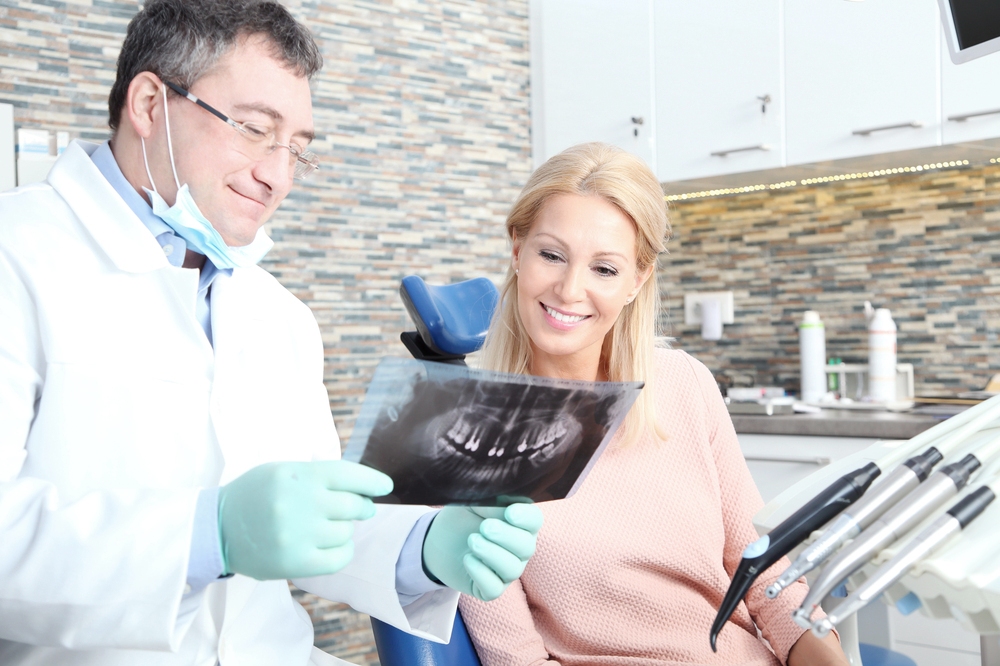
CBCT 3D Imaging with VATECH. Standard dental X-rays show teeth and bone in two dimensions. CBCT scanning shows the airway passage in three dimensions, allowing Dr. Jacob to measure the actual volume and cross-sectional dimensions of the nasal airway and pharyngeal airway alongside the jaw and tooth anatomy. This is the difference between estimating airway adequacy and actually measuring it.

Palatal expansion options. Smile City offers RPE (Rapid Palatal Expander) for younger growing patients, MARPE (Miniscrew-Assisted Rapid Palatal Expansion) for older teens and adults in whom the suture is beginning to close, and SARPE (Surgically Assisted Rapid Palatal Expansion) for adults who need significant upper jaw widening after growth. Each is matched to the patient’s skeletal maturity and the degree of expansion needed.

Vertical growth control. For growing patients with excessive vertical facial development, vertical pull chin-cups and other growth-modifying appliances can help redirect jaw growth in a more forward direction rather than purely downward.

Coordination with ENT and other specialists. When obstructive causes are present, Dr. Jacob coordinates with ear, nose, and throat specialists as appropriate, since orthodontic treatment alone cannot resolve structural airway obstruction. The dental and orthodontic changes are addressed alongside, not instead of, the medical causes.

Braces and Invisalign for dental correction. Once the skeletal issues are addressed, braces or Invisalign correct the resulting crowding, crossbite, open bite, or other dental effects of the mouth-breathing pattern.

What Only a Consultation and CBCT Imaging Can Confirm

The facial changes associated with chronic mouth breathing are visible, but the cause and the degree of the structural airway involvement are not. Two children with similar facial patterns can have very different clinical pictures once the airway is actually measured.

Whether the obstruction is primarily adenoid or tonsil-related, what the three-dimensional airway dimensions look like, how much growth remains, and which specific interventions are indicated for a specific patient all require clinical records to answer. General information about mouth breather face explains the pattern; the consultation is where that pattern is connected to this patient’s specific anatomy and history.

How Smile City Orthodontics Evaluates and Treats Mouth-Breathing Cases

The first step at Smile City Orthodontics is imaging that includes the airway, not just the teeth. Dr. Jacob uses CBCT scanning to assess the nasal and pharyngeal airway dimensions, the palatal width and arch form, the skeletal maturity, and the facial growth direction, all in a single scan. Digital records allow precise comparison across visits to track whether the airway is improving as treatment progresses.

For growing patients with a narrow arch and an airway component, an expander is typically the first active appliance, with braces or other treatment following once the arch is widened and the airway situation is addressed or under management. For older patients whose growth has slowed or stopped, MARPE is a minimally invasive option that can achieve arch widening without surgery for many cases. For patients where the dental effects are the primary focus and the skeletal picture is manageable orthodontically, braces or Invisalign are planned with the mouth-breathing history in mind.

All costs and treatment options are reviewed at the free consultation, with insurance and financing details confirmed before any treatment starts. Smile City Orthodontics accepts Delta Dental, Blue Cross Blue Shield, Aetna, Guardian, MetLife, United Healthcare, G.E.H.A, Careington, and Ameritas, and offers flexible 0% APR payment plans.

Serving Sunnyvale and Surrounding Communities

Smile City Orthodontics is located at 180 S Collins Rd, Suite 200, in Sunnyvale, TX 75182, just off Highway 80 and approximately 20 minutes from Downtown Dallas. The practice evaluates and treats mouth-breathing and airway cases for patients from Sunnyvale, Mesquite, Garland, Rowlett, Rockwall, Wylie, and Murphy.

Early evaluation is particularly important for airway cases. The American Association of Orthodontists recommends a first orthodontic evaluation by age 7, and airway concerns are among the most important reasons to keep that timeline rather than waiting until all the adult teeth are in.

Common Questions About Mouth Breather Face

Is mouth breather face permanent in children?

In a growing child, it is not fully established yet, which is why early intervention can still redirect development. The changes already present may or may not be fully reversible, but early treatment can prevent the pattern from reaching its worst expression and reduce the scope of what needs to be managed later. The younger the child when treatment starts, the more growth remains to work with.

What causes a child to breathe through the mouth?

The most common cause in children is obstruction, typically enlarged adenoids or tonsils that partially or fully block the nasal passage, making nasal breathing labored or uncomfortable. Chronic allergies causing nasal congestion, a narrow airway, or a deviated nasal septum can also contribute. Some children develop a habitual mouth-breathing pattern after a period of congestion even after the congestion resolves. The cause matters because obstructive causes require medical treatment alongside orthodontic treatment.

Can adults reverse mouth breather face changes?

Fully reversing established facial bone structure is not possible without surgical intervention. However, adults can see meaningful improvement through comprehensive treatment: palatal expansion with SARPE or MARPE can widen the upper jaw and improve the airway, orthodontic treatment corrects the dental effects (crowding, bite), and jaw surgery can address more significant skeletal discrepancies for appropriate candidates. The result is an improved bite, improved airway function, and an improved smile, even if the fundamental bone architecture developed in childhood does not change.

How does an orthodontist treat mouth breathing differently from a regular dentist?

A general dentist can identify the dental signs of mouth breathing and refer appropriately, but the management of the skeletal, airway, and growth-redirection components requires orthodontic training and the imaging technology to assess the airway directly. CBCT imaging, palatal expansion planning, MARPE and SARPE protocols, and growth-modification appliances are within the scope of orthodontic treatment. An orthodontist with specific airway training and appropriate technology is the right starting point for families concerned about mouth breather face in a child.

At what age should I bring my child in if I suspect mouth breathing is affecting their development?

As early as the concern arises, and definitely by age 7. The value of early evaluation is that it allows the orthodontist to determine whether intervention is indicated now, whether monitoring is the right approach for the moment, or whether an ENT referral should come first. Waiting until all the adult teeth have erupted, the traditional timing for starting braces, means potentially missing several years of the growth window during which the most effective skeletal modifications can be made.

young group of orthodontist looking at x ray - Mouth Breather Face: What It Is, What Causes It, and Whether It Can Be Corrected in Sunnyvale TX

Schedule a Free Airway and Bite Evaluation in Sunnyvale

Smile City Orthodontics uses CBCT 3D imaging to evaluate both the teeth and the airway at a free consultation. Dr. Jacob assesses whether mouth breathing is affecting your child’s development and what treatment options are appropriate for their age and clinical picture.

Schedule Your Free Consultation

Aligners vs Braces in Sunnyvale, TX

Wondering about aligners vs braces in Sunnyvale, TX? At Smile City Orthodontics, you have many options. Getting your teeth straight no longer means you must live with bulky metal braces. You can now pick from comfortable, clear aligners or tried-and-true braces. Both give great results, but one may fit your needs and lifestyle better.

Let’s break down the pros, cons, and key differences. This simple guide will help you feel more confident about your orthodontic care choices.

young arab woman with metal braces breathing closed eyes street - Aligners vs Braces in Sunnyvale, TX

What Are Aligners?

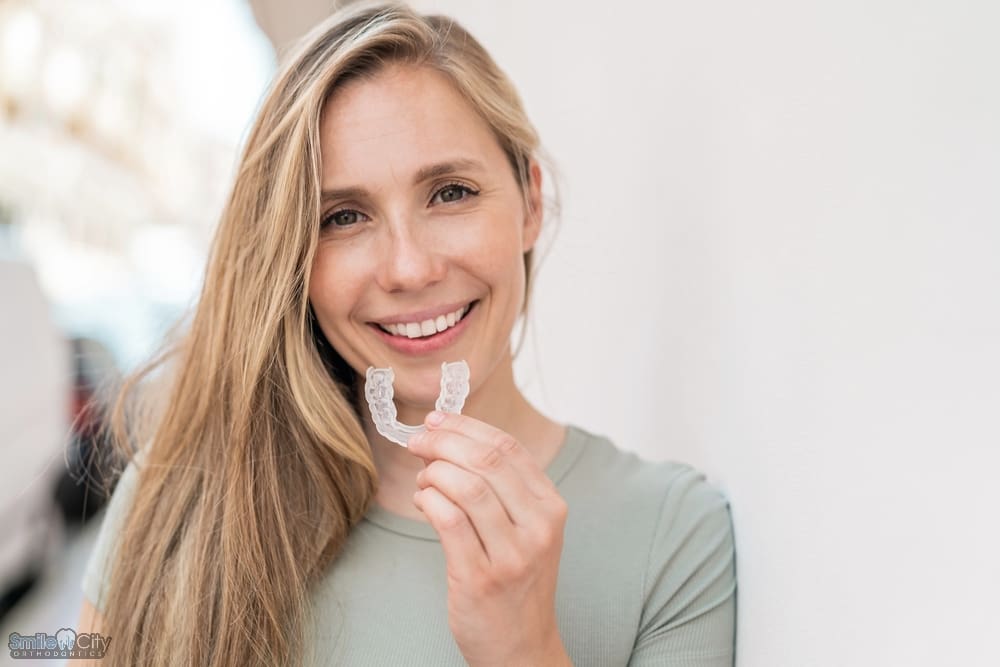
Aligners are clear trays made from safe, soft plastic. Brands like Invisalign lead the way, but new types appear each year. Each tray is made to fit your teeth at each stage of your treatment plan. You wear a set for one to two weeks, then switch to the next tray in the series. Step by step, your teeth move into better alignment.

How Aligners Work

Invisalign aligners are removable, so you can take them out to eat, brush, or floss. This means almost no food restrictions and makes caring for your teeth easy. Your orthodontist will teach you how the trays fit and how to switch them. Many people find aligners more comfortable than braces. The smooth plastic will not scratch your gums or mouth.

Advantages of Aligners

  • Comfort: No wires or metal brackets to poke your cheeks.
  • Clear appearance: Most people cannot see your aligners, so you can smile with confidence.
  • Flexibility: Take out your trays during meals, snacks, and for special occasions.
  • Better oral hygiene: Since Invisalign aligners are removable, brushing and flossing is simple.
  • Aesthetics: Great for teens and adults who want their treatment to stay private.
  • Convenience: Fewer visits for adjustments throughout your treatment process.

Potential Drawbacks of Aligners

  • Patient compliance: You must wear Invisalign aligners 20 to 22 hours each day. Skipping time can slow your results.
  • May not fit every case: Severe crowding, bite problems (like crossbites or deep overbites), and complex teeth alignment may need braces for the best results.
  • Cost: In some cases, Invisalign aligners like Invisalign can cost more than traditional braces.
  • Trays can be lost: If you forget a tray somewhere or break it, you might need a replacement, which takes time and can increase costs.

Who Should Consider Aligners?

Aligners work well for people who want a flexible, nearly invisible solution. If your alignment issues are mild to moderate and you can stick to the wear schedule, aligners can work great. Busy teens and adults in Sunnyvale love Invisalign aligners for their comfort and freedom.

What Are Braces?

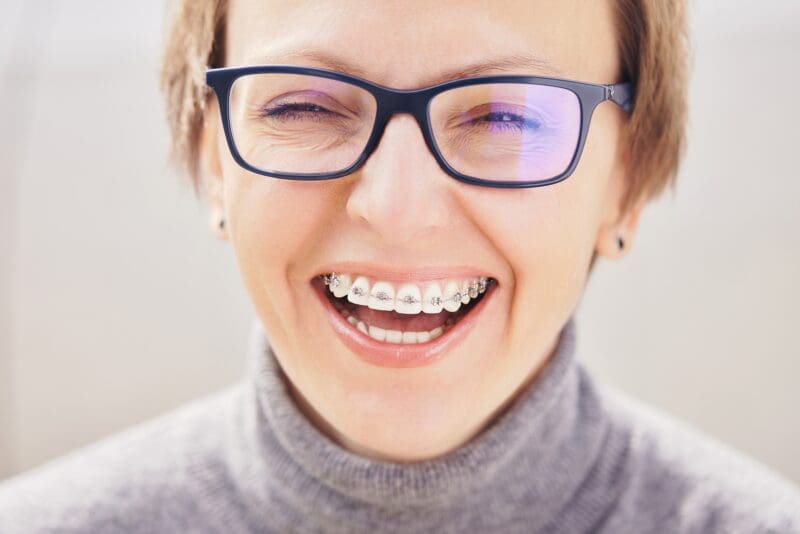
Braces use brackets that are fixed to your teeth. Wires connect these brackets and guide tooth movement throughout your treatment timeline. Classic braces are metal, but ceramic options are less visible and may appeal to those who want a more subtle look.

How Braces Work

Unlike Invisalign aligners, you cannot take off braces until your smile transformation is complete. This helps make sure the process stays on track, no matter what. Dr. Yajun Cui, a family orthodontist in Arlington, MA, points out that braces are set and working all the time, so there’s no need to remember wear schedules.

Advantages of Braces

  • Effective for all cases: Braces can solve mild, moderate, and even very tough problems, like severe crowding or big bite changes.
  • No discipline needed: Because you cannot remove them, you never forget to “wear” your treatment.
  • Great results: Braces can fix almost any alignment or bite problem. With modern tools and skilled care, they move teeth with strong control and precise results.
  • Proven track record: Orthodontists have used braces for many years with reliable results.

Drawbacks of Braces

  • Discomfort: Brackets and wires can irritate your cheeks and lips. This is common at the start of treatment or after adjustments.
  • Visible in your smile: Even modern brackets show, no matter which material is used.
  • Food restrictions: You need to stay away from sticky, chewy, or hard foods—gum, popcorn, and some candies can break wires or brackets.
  • Oral hygiene: Brushing and flossing take more time as you work around each bracket and wire.
  • Maintenance and repairs: You may need extra appointments for broken brackets or wires.

Who Should Consider Braces?

Braces are often best for kids and adults with tough cases. If you don’t want to risk losing a tray, prefer lower costs, or have major bite problems, braces are likely the better pick. For children, braces also help parents ensure the treatment is always working.

Your Options Comparison: Aligners vs Braces

When you’re deciding between Invisalign aligners and braces, consider these important factors for your treatment plan:

1. Orthodontic Needs and Complexity

Choosing between braces and aligners often depends on how complex your case is. Some alignment problems are easy to fix. Others need closer control and more adjustments during treatment.

  • Braces treat every case, from simple to complex.
  • Aligners are best for mild or moderate alignment issues.
  • Severe bite problems, like crossbite, may need the special adjustments only braces provide.

2. Comfort, Aesthetics, and Lifestyle

Treatment time varies based on your starting point and goals. Mild alignment issues may move quickly, while complex bite corrections take more time and careful planning.

  • Aligners are comfortable and low-key, perfect for people who don’t want visible treatment.
  • Braces show more but are always working, no need to remember to put them back after eating.

3. Treatment Timeline and Results

Treatment time varies based on your starting point and goals. Mild alignment issues may move quickly, while complex bite corrections take more time and careful planning.

  • The treatment timeline may be shorter for mild cases with Invisalign aligners. More complex issues may take longer, and braces can handle these well.
  • Your orthodontist will create a custom treatment plan for you. The plan is based on your oral health, your goals, and how your teeth look now.

4. Maintenance, Hygiene, and Appointments

Both options need commitment to good oral hygiene and regular office visits. Keeping up with care at home plays a major role in your final results.

  • Both options need regular visits to the orthodontist. These appointments help check progress and make needed adjustments.
  • Braces need more daily work for brushing and flossing, while aligners mean less hassle but more responsibility.
  • You must keep aligner trays in their case when not in use and clean them daily.

5. Food and Drink Restrictions

Diet is another factor to consider. Some treatments limit what you can eat, while others offer more freedom.

  • No food restrictions with aligners, just take them out!
  • Braces mean you must avoid hard, sticky, or chewy foods to avoid damage.

6. Cost, Insurance, and Payment Options

Cost can vary depending on your case and treatment length. It’s important to review pricing and payment plans before starting.

  • Aligners can sometimes cost more, but prices are often close.
  • Many offices offer payment options or financing. Check with your Smile City Orthodontics team for your exact quote and insurance coverage.

7. Reliability and Patient Compliance

Cost can vary depending on your case and treatment length. It’s important to review pricing and payment plans before starting.

  • Aligners require you to follow instructions. Missing even a few hours a day makes a big difference.
  • Braces do not depend on patient discipline, so progress never stalls from forgetfulness.
young blonde woman outdoors holding invisalign clear aligners happy expression - Aligners vs Braces in Sunnyvale, TX

Make Your Decision with Confidence

Aligners and braces both have clear benefits. Aligners offer comfort, appearance, and flexibility. Braces bring proven results and can treat even severe cases.

Your orthodontic journey is personal. At Smile City Orthodontics, we help you compare your options. We answer your questions and guide you to the best choice for your smile, budget, and schedule. Book your consultation today and take the first step toward a healthier, straighter smile!

About the Authors

Dr. George Jacob – Orthodontist in Sunnyale, TX

Dr. Yajun Cui – Orthododontist in Arlington, MA

Frequently Asked Questions

What is the cost difference between braces and aligners?

On average, traditional metal braces can range from $3,000 to $7,000, depending on the complexity of the case and the duration of treatment. On the other hand, clear aligners, like Invisalign, typically fall within the $3,000 to $8,000 range. While the prices can overlap, aligners might sometimes edge out as slightly more expensive due to their discreet nature and the technology involved.

What’s the cheapest way to straighten teeth?

If you’re looking to straighten your teeth without breaking the bank, you might want to consider clear aligners as a budget-friendly option. These nifty little devices are often more affordable than traditional braces and can be done at home, saving you some trips to the orthodontist. Companies like SmileDirectClub or Byte offer these services, where you get a custom set of aligners delivered right to your door.

Which hurts more, aligners or braces?

When it comes to discomfort, both have their moments. Aligners, those clear, removable trays, might feel snug and a bit tight at first, especially when switching to a new set, but they generally cause less irritation since there are no metal brackets or wires involved. Braces, on the other hand, can be a bit more of a nuisance with their metal components, which might poke or rub against your cheeks and lips, especially after adjustments.

Orthodontic Adjustments

Orthodontic adjustments are essential to achieving a straighter, healthier smile. At Smile City Orthodontics in Sunnyvale, Dr. Jacob and his dedicated team provide precise, comfortable orthodontic adjustments that keep your treatment on track. Whether you’re wearing traditional braces, ceramic brackets, or self-ligating braces, regular adjustments ensure that your teeth are gradually moving into the desired positions for optimal alignment and function. Explore the importance of orthodontic adjustments in Sunnyvale, the step-by-step process at Smile City Orthodontics, and what patients can expect at each visit. Discover how these adjustments are key to the success of your orthodontic treatment and why we are the go-to choice for orthodontic adjustments in Sunnyvale.

Why Are Orthodontic Adjustments Necessary?

Orthodontic adjustments in Sunnyvale are critical in guiding teeth’ gradual movement into their ideal positions. During each adjustment, Dr. Jacob carefully evaluates your progress and makes minor modifications to the braces, ensuring steady movement toward the alignment goals set at the beginning of treatment. This careful oversight ensures your teeth move at a healthy, effective pace, preventing potential complications or discomfort.

Adjustments offer several essential benefits, including:

  • Gradual Tooth Movement: Adjustments control the direction and speed of tooth movement, optimizing comfort and effectiveness.
  • Oral Health: Proper alignment improves dental health, reducing the risk of tooth decay and gum disease.
  • Enhanced Function: Correcting alignment issues improves how your teeth come together, allowing for better chewing and reduced jaw strain.

At Smile City Orthodontics, Dr. Jacob uses a personalized approach to make each orthodontic adjustment a comfortable, efficient experience.

The Orthodontic Adjustment Process at Smile City Orthodontics

Smile City Orthodontics provides a streamlined, patient-focused process for orthodontic adjustments. Here’s what patients in Sunnyvale can expect from their adjustment appointments:

Step 1: Initial Consultation and Treatment Planning

Before beginning any orthodontic treatment, Dr. Jacob conducts a thorough consultation to evaluate the patient’s dental and oral health. During this consultation, he discusses the alignment goals, orthodontic options, anticipated treatment duration, and the expected frequency of adjustments. With this comprehensive treatment plan, each patient knows what to expect and can feel confident about the journey ahead.

Step 2: Routine Adjustments Begin

Once the braces are in place, regular adjustment appointments typically occur every 4-6 weeks. Each adjustment appointment is essential for tracking progress and making minor modifications to maintain the gradual, precise movement of teeth.

Step 3: Assessment of Treatment Progress

Dr. Jacob will evaluate how well your teeth have responded to previous adjustments at each adjustment. He may take images or scans to ensure everything is moving according to the treatment plan. This step is essential for addressing any unexpected shifts, as he can catch and correct these issues early.

Step 4: Tightening and Adjusting the Archwire

During adjustments, the archwire—the wire connecting the brackets—is either tightened or replaced to apply gentle pressure that moves the teeth toward the desired alignment. This step requires precision and expertise to apply the right amount of pressure without causing discomfort.

Dr. Jacob may use specialized tools or techniques to adjust the brackets and wires in ceramic or clear braces. This individualized approach allows him to provide the most comfortable experience possible.

Step 5: Changing Elastic Bands or Ligatures

For patients with traditional braces, we often use elastic bands, or ligatures, to secure the archwire in place. These bands are typically replaced during each adjustment. Patients can also choose from various colors, a fun way for younger patients to personalize their braces.

Step 6: Addressing Patient Concerns

Dr. Jacob takes the time to listen to any questions or concerns patients may have about their progress, potential discomfort, or maintenance requirements. Patient satisfaction and comfort are top priorities at Smile City Orthodontics, so Dr. Jacob ensures patients leave each appointment feeling confident in their treatment journey.

Common Experiences During and After Adjustments

It’s natural to feel mild discomfort following an orthodontic adjustment as the teeth respond to new pressure. Here’s what to expect:

  • Slight Tenderness: Some patients experience mild tenderness in their teeth and gums after an adjustment. This sensation typically subsides within a few days and can often be managed with over-the-counter pain relief.
  • Changes in Chewing: Adjustments may temporarily affect the way you chew. Eating soft foods and avoiding hard, crunchy foods can help minimize discomfort during the initial adjustment period.
  • Oral Care Challenges: Adjustments sometimes create new areas where food particles can get trapped. Dr. Jacob provides guidance on maintaining thorough oral hygiene, such as using interdental brushes and flossing tools that make cleaning around brackets and wires easier.

Smile City Orthodontics emphasizes post-adjustment care instructions to help patients maintain optimal comfort and hygiene as they progress toward a beautifully aligned smile.

Tips for Post-Adjustment Comfort and Care

To help patients manage the common side effects of orthodontic adjustments, Dr. Jacob recommends these tips:

  1. Opt for Soft Foods: Right after an adjustment, soft foods like mashed potatoes, yogurt, and smoothies are more accessible to eat and gentler on sensitive teeth.
  2. Use Orthodontic Wax: If the brackets or wires irritate, orthodontic wax can provide relief by creating a smooth barrier between the braces and the inside of your mouth.
  3. Maintain Oral Hygiene: Use a soft-bristled toothbrush and specialized flossing tools to clean around brackets and wires. Dr. Jacob often recommends fluoride toothpaste and mouthwash to help prevent tooth decay.
  4. Cold Compresses for Soreness: If any discomfort persists, applying a cold compress to the outside of the cheek can help reduce inflammation and alleviate soreness.

Benefits of Regular Orthodontic Adjustments at Smile City Orthodontics

Regular adjustments are essential for anyone with braces, but there are added benefits to receiving orthodontic adjustments with Dr. Jacob at Smile City Orthodontics:

  • Comprehensive Care: Dr. Jacob provides detailed assessments at each appointment to ensure steady progress and address emerging issues.
  • Customized Adjustments: Each patient’s treatment plan is unique. Dr. Jacob adjusts treatment based on each patient’s individual needs and goals, making sure adjustments are as effective and comfortable as possible.
  • Patient Education: Throughout the treatment process, patients learn about the importance of oral hygiene, brace care, and dietary choices to support their orthodontic progress.
  • Compassionate Team: The team at Smile City Orthodontics is dedicated to making every visit comfortable and stress-free, creating a positive experience for patients of all ages.

Who Can Benefit from Orthodontic Adjustments?

Orthodontic adjustments in Sunnyvale are not limited to children and teenagers; many adults also benefit from these routine appointments. Adults may choose braces to correct misalignments, improve oral health, and create a more balanced smile. Regardless of age, regular adjustments are crucial for keeping orthodontic treatments on track and ensuring successful results.

Why Choose Smile City Orthodontics for Orthodontic Adjustments in Sunnyvale?

At Smile City Orthodontics, Dr. Jacob and his team help Sunnyvale patients achieve the smiles they’ve always wanted. With extensive expertise and a compassionate approach, Dr. Jacob offers patients the best in orthodontic care, ensuring that every adjustment brings them closer to a beautifully aligned smile.

From personalized treatment plans to state-of-the-art technology, Smile City Orthodontics in Sunnyvale is your trusted partner for orthodontic adjustments. Whether starting your orthodontic journey or nearing completion, our team is here to make each step comfortable, effective, and fulfilling.

Get Expert Orthodontic Adjustments in Sunnyvale

If you’re considering braces or are currently in treatment and need reliable orthodontic adjustments in Sunnyvale, schedule a consultation with Dr. Jacob at Smile City Orthodontics. Our team is ready to support your journey with expertise, dedication, and care.
With Smile City Orthodontics, your path to a straighter, healthier smile has never been clearer. Contact us today to start achieving your dream smile.

Are Braces for Adults in Mesquite Worth It?

If you’re an adult who didn’t have the chance to get braces as a child, or if your teeth have shifted over time, you may be wondering: are braces for adults worth it? The answer is a resounding yes – not only can our braces for adults in Mesquite improve the appearance of your smile, but they can also correct serious dental issues and improve your overall oral health.

Braces for adults offer a range of benefits beyond just improving appearance. They can boost confidence, improve oral health, reduce the risk of future dental problems, and provide different treatment options to suit individual needs. 

If you live in the Mesquite area, we are just down the road from you! Let’s explore the benefits of getting braces as an adult and why investing in your smile is always possible.

Improved Appearance and Confidence

The first and most apparent benefit of getting braces as an adult is the improved appearance of your teeth and smile. As we age, our teeth can shift due to various factors such as genetics, dental habits, and even aging itself. This can lead to crooked or overcrowded teeth, gaps between teeth, and misalignment of the bite. Not only can these issues affect the way your smile looks, but they can also impact your self-confidence.

Braces are a proven solution for correcting these types of dental problems. Braces use brackets and wires to gradually move teeth into their correct positions over time. This results in a more symmetrical and straight smile, giving you the confidence to show off your pearly whites without feeling self-conscious. Many adults who have gotten braces report feeling more confident and happy with their appearance after treatment.

Better Oral Health

Aside from aesthetic benefits, getting braces as an adult can significantly improve oral health. Crooked or misaligned teeth can make it difficult to properly clean all surfaces of your teeth, leading to a higher risk of cavities, gum disease, and other dental issues. By correcting these problems with braces, you’ll be able to brush and floss more effectively and keep your teeth healthy for years to come.

Misaligned teeth can also put excess pressure on specific areas of your mouth, causing discomfort and even pain. Braces can help alleviate this pressure and improve the overall function of your jaw and bite. This can be particularly beneficial for adults who experience chronic headaches or jaw pain due to dental issues.

Lower Risk of Dental Problems in the Future

Investing in braces as an adult improves your current oral health and reduces the risk of more serious dental problems in the future. For example, misalignment of the teeth and bite can lead to excessive wear on specific teeth, making them more susceptible to damage and decay. This can ultimately result in the need for more extensive and expensive dental treatments.

Furthermore, correcting dental issues with braces can also prevent potential tooth loss, which can significantly impact your eating and speaking ability. By investing in braces now, you’ll take proactive measures to maintain a healthy smile for years.

Different Options Available

Many adults may hesitate to get braces due to concerns about appearance or discomfort. However, modern advancements in orthodontic technology have allowed adult patients to choose from more discreet and comfortable options than traditional metal braces. For example, clear aligners are virtually invisible; you can remove them for eating and cleaning. Additionally, ceramic braces blend in with the natural color of your teeth, making them less noticeable.

It’s essential to consult with Dr. Jacob to determine which option is best suited for your specific dental needs and lifestyle. He can recommend the most suitable treatment plan that addresses your concerns and provides optimal results.

Worth the Investment

Some adults may also hesitate to get braces due to concerns about cost. While it is true that braces can be a significant investment, it’s essential to consider the long-term benefits and potential savings in preventing future dental problems. Considering these factors, the cost of braces is a small price for their numerous benefits. Additionally, we can help with insurance and financing questions to make braces more affordable for adults.

Braces for Adults in Mesquite

In conclusion, braces for adults are undoubtedly worth it. Not only do they improve the appearance of your smile and increase your self-confidence, but they also have significant long-term benefits for your oral health. With various treatment options available and potential savings in the future, there’s no reason not to invest in a straighter and healthier smile.

Don’t let age hold you back from achieving the smile you’ve always wanted – schedule a consultation with Dr. Jacob today and gain a better smile! With the numerous benefits and options available, getting braces as an adult at Smile City Orthodontics is indeed a decision that will pay off in more ways than one.
We proudly serve Mesquite, Sunnyvale, and beyond! In addition to braces, our services include hybrid treatment and clear aligners in Sunnyvale, TX!

Sunnyvale Braces for Adults at Smile City Orthodontics

At Smile City Orthodontics, we believe that a straight, beautiful smile is achievable at any age. Gone are the days when braces were exclusively associated with adolescents. Today, more and more adults are seeking orthodontic treatment to enhance their smiles and improve their oral health. With advancements in orthodontic technology, various options that cater specifically to adult patients are available. Let’s explore the benefits of our Sunnyvale braces for adults, the types of braces available, success stories, and how we can help you achieve the smile you’ve always dreamed of.

Why Choose Braces as an Adult?

Improved Oral Health

One of the primary reasons adults opt for braces is the significant improvement in oral health. Straight teeth are easier to clean, reducing the risk of cavities, gum disease, and other issues. Misaligned teeth can create pockets where bacteria can thrive, leading to complications. Straightening your teeth facilitates better oral hygiene, promoting a healthier mouth overall.

Enhanced Confidence

A beautiful smile can significantly boost your confidence. Many adults unable to get braces in childhood feel self-conscious about their crooked teeth. Dr. Sebastian Paige, a leading orthodontist in Kingwood, TX, believes that orthodontic treatment can dramatically improve the appearance of your smile, making you more comfortable in social and professional settings. Increased confidence can positively impact your life, including relationships and career opportunities.

Addressing Long-Standing Issues

Adults may have orthodontic issues they didn’t address in their younger years or problems that developed over time. These might include crowded teeth, overbites, and other alignment issues. Addressing these problems can prevent complications such as tooth wear, jaw pain, and speech difficulties.

Types of Braces Available for Adults

Traditional Metal Braces

Traditional metal braces are what most people think of when they hear the word “braces.” While they are more noticeable than other options, modern metal braces are smaller, more comfortable, and more efficient than ever. They are highly effective for treating various orthodontic issues and can deliver excellent results in a relatively short period.

Ceramic Braces

Ceramic braces work similarly to traditional metal braces but are made of clear or tooth-colored materials. They are less noticeable than metal braces, making them popular among adults who want a more discreet option. Ceramic braces are slightly more fragile and may require more care to avoid staining, but they balance effectiveness and aesthetics well.

Clear Aligners

In recent years, clear aligners have become increasingly popular among adults. These custom-made, removable trays gradually shift your teeth into place without metal brackets or wires. Clear aligners are nearly invisible, making them an excellent choice for those who want a discreet treatment. They are also removable, which allows for easy cleaning of your teeth and aligners. However, they require strict adherence to wearing them for 20-22 hours daily to achieve optimal results.

Why Smile City Orthodontics?

Expertise and Experience

Our team specializes in orthodontic treatment for patients of all ages. We have years of experience providing high-quality treatment and achieving outstanding results for our adult patients. Dr. Jacob stays updated with the latest advancements in the field to offer you the best possible treatment.

Personalized Treatment Plans

We understand that every patient is unique, and so are their orthodontic needs. We create personalized treatment plans tailored to your specific goals and circumstances. Whether you require a simple adjustment or comprehensive orthodontic treatment, we design a plan that fits your lifestyle and budget.

State-of-the-Art Technology

Our state-of-the-art technology ensures you receive the most efficient and comfortable treatment possible. From digital impressions to 3D imaging, we use advanced tools to diagnose and treat your orthodontic issues precisely.

Comfortable and Friendly Environment

We strive to make your orthodontic experience as comfortable and pleasant as possible. Our friendly staff and welcoming environment make you feel at ease throughout your treatment journey. We are committed to providing exceptional treatment and support every step of the way.

Sunnyvale Braces for Adults

At Smile City Orthodontics, we can help you achieve a healthy, beautiful smile at any age. With a range of treatment options available, expert treatment, and personalized treatment plans, we are here to guide you on your journey to a confident smile. Contact us today to schedule a consultation with Dr. Jacob and take the first step towards a brighter future.