
Herbst Appliance in Sunnyvale, TX
Functional Orthodontic Treatment for Growing Teens | Improving Overjet & Class II Bite Relationships
When the lower jaw is positioned behind the upper jaw, a child or teenager may develop increased overjet, commonly described as protruding upper front teeth. In selected growing patients, a Herbst appliance can help improve the relationship between the upper and lower dental arches.
At Smile City Orthodontics, Dr. George Jacob, BDS, MDS, MS, an American Board-Certified Orthodontist, provides personalized orthodontic treatment for children and teenagers with developing Class II bite discrepancies.
Our privately owned, family-oriented orthodontic practice is located in Sunnyvale, TX, welcoming families from Mesquite, Forney, East Dallas, Garland, Seagoville, and surrounding communities.
Board-Certified Orthodontist
Specialist-led evaluation
Growth-Based Treatment Planning
Timing tailored to development
Personalized Bite Correction
Individualized Class II care
Privately Owned Family Practice
Continuity of care
What Is a Herbst Appliance?
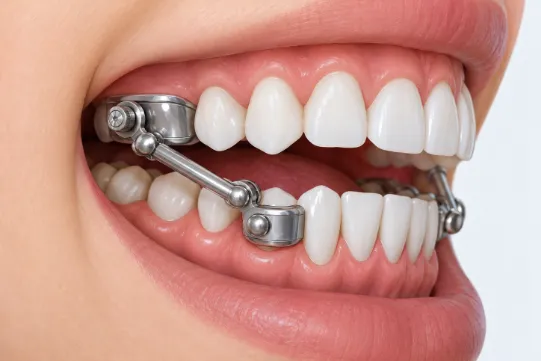
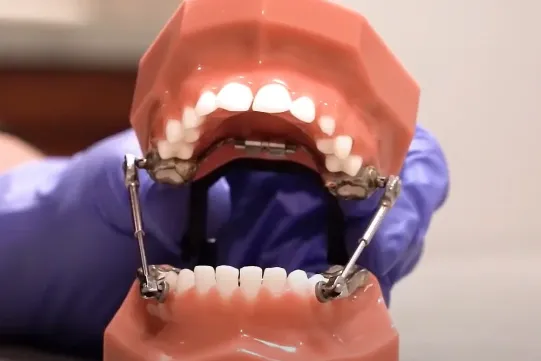
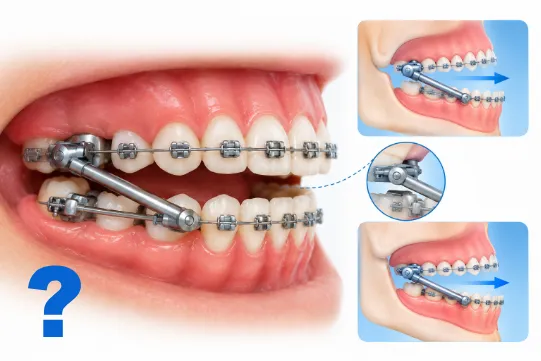
A Herbst appliance is a fixed functional orthodontic appliance used primarily to treat selected Class II bite discrepancies in growing patients. It consists of upper and lower components connected by telescoping mechanisms that guide the lower jaw into a more forward position when the mouth closes.
Unlike removable functional appliances, the Herbst appliance stays in place throughout treatment and does not depend on the patient remembering to wear it. The appliance can produce dental changes and may contribute to favorable skeletal changes during growth. The amount of skeletal response varies among patients, and it does not guarantee permanent forward growth of the lower jaw.
Does a Herbst Appliance Make the Lower Jaw Grow?
It holds the lower jaw forward and can influence dental and skeletal relationships during growth. Much of the observed correction may result from tooth movement; additional long-term mandibular growth is variable.
Schedule Free Orthodontic Consultation
Get expert advice, a personalized treatment plan, and a clear path to your ideal smile.
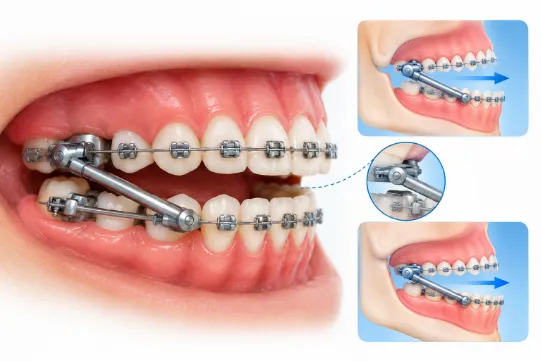
How Does a Herbst Appliance Work?
- 01 | Fixed Appliance Placement: Attached to selected teeth or orthodontic components.
- 02 | Forward Jaw Positioning: Telescoping mechanisms guide the lower jaw forward.
- 03 | Bite Adaptation: Dental and skeletal relationships may change.
- 04 | Orthodontic Finishing: Braces or other appliances refine alignment and bite.
Who May Benefit from a Herbst Appliance?
Not every patient with an overbite or overjet needs a Herbst appliance. Treatment selection depends on jaw and tooth relationships, growth status, and diagnosis.
Growing Patients with Class II Bite Problems
Children and teenagers with selected Class II dental or skeletal relationships.
Increased Overjet
Patients whose upper front teeth project significantly ahead of the lower teeth.
Retrusive Lower Jaw
Selected growing patients with a relatively backward-positioned lower jaw.
Patients Who Prefer Fixed Appliances
A fixed appliance may help when removable appliance wear is difficult.
Patients Requiring Comprehensive Orthodontics
Herbst treatment may be combined with braces.
Patients with Favorable Growth Timing
Treatment may be useful when meaningful skeletal growth remains.
What Orthodontic Problems Can a Herbst Appliance Address?
The Herbst appliance does not correct every skeletal discrepancy. Severe jaw-position problems may require other approaches or surgical evaluation in mature patients.
Class II Malocclusion
Improve selected discrepancies where the lower dental arch is behind the upper.
Increased Overjet
Help reduce excessive horizontal distance between front teeth.
Retrusive Mandibular Relationship
Address selected jaw-position discrepancies in growing patients.
Bite Coordination
Improve upper and lower arch relationships.
Dental Compensation
Produce controlled tooth movement contributing to Class II correction.
Comprehensive Orthodontic Treatment
Support plans involving braces and bite refinement.
READY FOR A HEALTHIER, STRAIGHTER SMILE?
Herbst Appliance vs. Other Class II Treatments
| Feature | Herbst | Twin Block | Class II Elastics |
|---|---|---|---|
| Appliance type | Fixed functional | Removable functional | Elastic traction |
| Patient cooperation | Less dependent on wear | Consistent wear required | Consistent wear required |
| Common use | Growing Class II | Growing Class II | Selected Class II |
| Jaw positioning | Guides forward | Encourages forward | Interarch forces |
| Dental effects | Yes | Yes | Yes |
| Growth-related effects | Possible, variable | Possible, variable | Generally limited |
| Used with braces | Often | Sometimes | Commonly |
No single appliance is best for every Class II patient. Dr. Jacob selects treatment based on diagnosis, growth, goals, and cooperation.
What Is the Best Age for Herbst Appliance Treatment?
Herbst appliances are commonly used in growing children and teenagers, often around the pubertal growth period. Chronological age alone does not determine suitability. Dr. Jacob evaluates dental development, skeletal maturity, jaw relationships, and remaining growth.
Why Does Growth Timing Matter?
Functional appliances are generally considered when growth remains. Growth timing may influence response, although favorable bite correction may also involve substantial dental changes.

Your Herbst Appliance Treatment Journey
01 | Complimentary Evaluation
Examine teeth, bite, jaw relationships, and growth.
02 | Personalized Planning
Discuss Herbst, braces, duration, and finances.
03 | Appliance Placement
Fit and secure appliance; provide eating and cleaning instructions.
04 | Active Bite Correction
Monitor bite changes and appliance function.
05 | Removal & Finishing
Remove appliance when appropriate; continue braces if needed.
06 | Retainers & Monitoring
Maintain alignment and monitor stability.
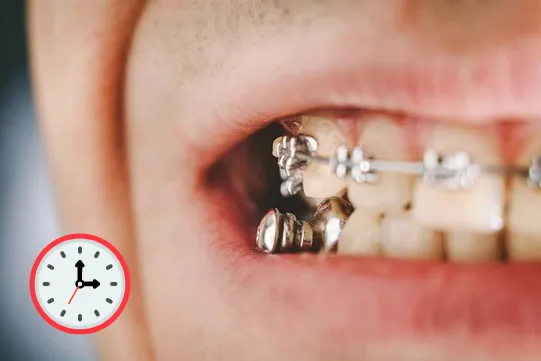
How Long Does Herbst Appliance Treatment Take?
- 6–12 Months: Common approximate Herbst phase
- Regular Progress Visits: Appliance checks and bite monitoring
- Variable Finishing Time: Additional alignment and bite refinement
Does a Herbst Appliance Hurt?
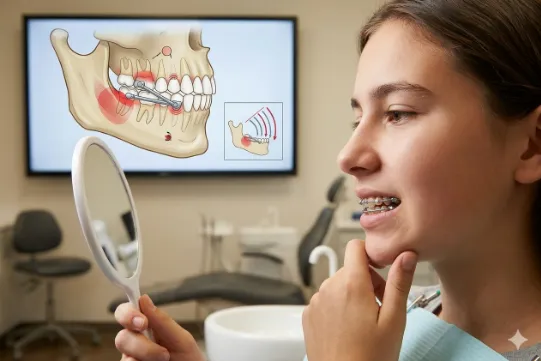
Temporary soreness or pressure is common after placement or adjustment. Patients may initially notice changes in chewing, speaking, or jaw positioning; cheeks, lips, and tongue need time to adapt. Persistent pain, significant jaw discomfort, breakage, or irritation should be reported.
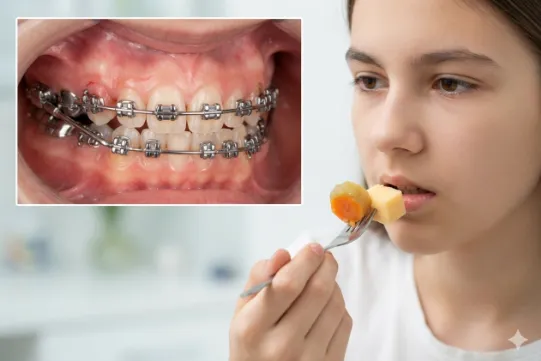
Can You Eat Normally with a Herbst Appliance?
- Choose Softer Foods Initially: Soft foods may help during the first few days.
- Avoid Hard & Sticky Foods: Candy, gum, and sticky foods may damage components.
- Cut Food into Smaller Pieces: Reduce chewing stress on the appliance.
- Maintain Excellent Oral Hygiene: Brush carefully around all components.
- Report Loose or Broken Components: Call if a telescoping arm disconnects or a band loosens.
What Are the Risks and Limitations of Herbst Treatment?
- Temporary soreness or soft-tissue irritation
- Appliance loosening, breakage, or disconnection
- Changes in tooth inclination, including lower incisor proclination
- Unwanted dental movements or bite changes
- Temporary jaw muscle or joint discomfort
- Variable skeletal growth response
- Incomplete correction or relapse requiring additional treatment
Can Adults Get a Herbst Appliance?
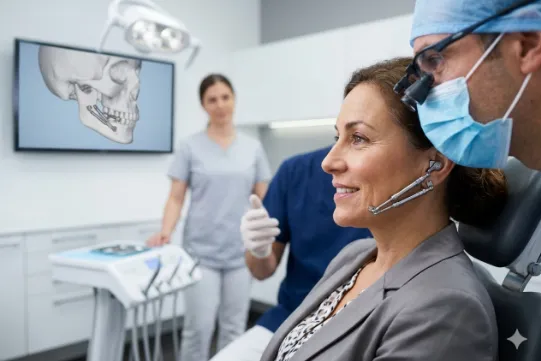
For substantial skeletal Class II discrepancies, alternatives may include orthodontic camouflage or coordinated surgical orthodontics.
Will My Child Need Braces After a Herbst Appliance?

How Much Does Herbst Appliance Treatment Cost in Sunnyvale, TX?
- Flexible Monthly Payments: Available arrangements for manageable treatment.
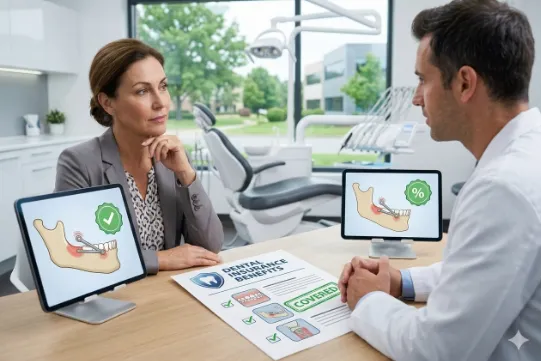
- Dental Insurance Verification: Review applicable orthodontic benefits.
- CareCredit & Cherry: Financing for eligible applicants, subject to terms.
- Transparent Treatment Estimates: Understand recommended treatment and costs before beginning.
Does Dental Insurance Cover Herbst Appliance Treatment?
- Delta Dental: Insurance benefits vary by individual plan.
- MetLife: Insurance benefits vary by individual plan.
- Cigna: Insurance benefits vary by individual plan.
- Aetna: Insurance benefits vary by individual plan.
- GEHA: Insurance benefits vary by individual plan.
- Other Major PPO Plans: Insurance benefits vary by individual plan.
Why Choose Smile City Orthodontics for Herbst Appliance Treatment?
- American Board-Certified Orthodontist: Dr. Jacob evaluates developing jaw and bite discrepancies.
- Privately Owned Family Practice: Continuity with the same owner-orthodontist.
- Growth-Based Planning: Treatment timing considers skeletal maturity.
- Advanced Digital Evaluation: Digital records and appropriate imaging.
- Comprehensive Orthodontic Care: Coordination with braces and other appliances.
- Flexible Payment Options: Insurance assistance and monthly financing.
Herbst Appliance Treatment Near Mesquite, Forney & East Dallas
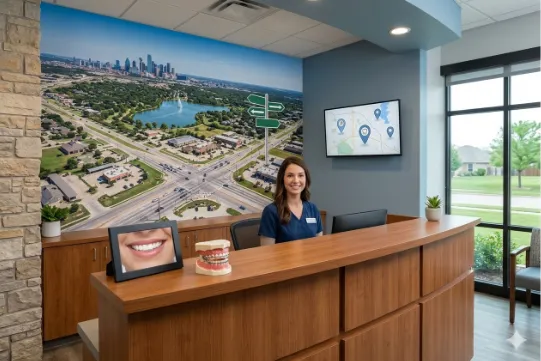
Smile City Orthodontics is located in Sunnyvale, TX, welcoming children and teenagers from Mesquite, Forney, East Dallas, Garland, Seagoville, and surrounding communities.
If your child has increased overjet, a developing Class II bite, or lower jaw positioning concerns, Dr. Jacob can evaluate whether Herbst or another approach is appropriate.
Frequently Asked Questions About Herbst Appliances
1. What is a Herbst appliance?
A fixed functional appliance used primarily for selected Class II bite discrepancies in growing patients.
2. Does it move the lower jaw forward?
It guides the lower jaw forward and produces dental changes, with variable skeletal effects during growth.
3. What is the best age?
Timing depends on skeletal maturity rather than age alone.
4. How long does it stay in?
Often approximately 6–12 months, but treatment varies.
5. Does it hurt?
Temporary pressure, soreness, and irritation may occur.
6. Can my child eat with it?
Yes, with modifications; avoid hard and sticky foods.
7. Can it break?
Yes. Bands, screws, and telescoping components may require repair.
8. Is it better than a Twin Block?
Neither is universally better. Herbst is fixed; Twin Block is removable and requires consistent wear.
9. Will braces be needed afterward?
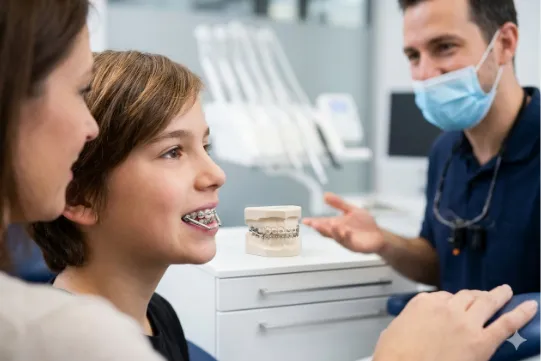
Many patients need braces for alignment and bite refinement.
10. Can it prevent jaw surgery?
It may improve selected discrepancies during growth but cannot guarantee surgery will be unnecessary.
11. Can adults use it?
Primarily used in growing patients; adults may need other approaches.
12. Will facial appearance change?
Changes may occur, but significant skeletal changes are not guaranteed.
13. Can it cause jaw joint problems?
Temporary discomfort may occur. Persistent symptoms require evaluation; it does not guarantee prevention or resolution of TMJ disorders.
14. Does insurance cover it?
Some orthodontic benefits may apply, depending on policy.
15. Is consultation complimentary?
Yes, Smile City Orthodontics offers complimentary orthodontic consultations.
Schedule Your Complimentary Herbst Appliance Consultation
Personalized treatment for developing bite problems. Meet Dr. George Jacob, BDS, MDS, MS, an American Board-Certified Orthodontist. Sunnyvale, TX — serving Mesquite, Forney, East Dallas and surrounding communities.