READY FOR A HEALTHIER, STRAIGHTER SMILE?
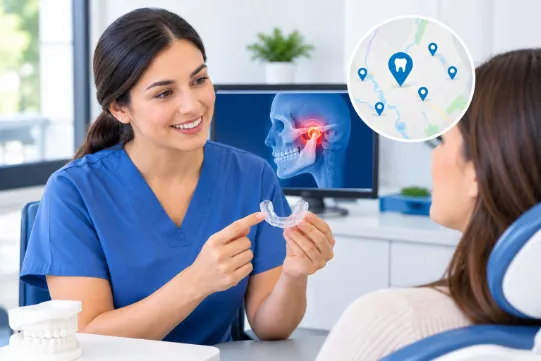
TMJ Mouth Guards in Sunnyvale, TX
Custom Night Guards & Occlusal Splints for Jaw Discomfort, Teeth Grinding and Clenching
Board-Certified Orthodontist
Personalized orthodontic assessment
Custom-Fitted Oral Appliances
Individualized fit and design
Individualized Jaw & Bite Evaluation
Assessment of symptoms and occlusion
Conservative Treatment Approach
Reversible care and referral when indicated
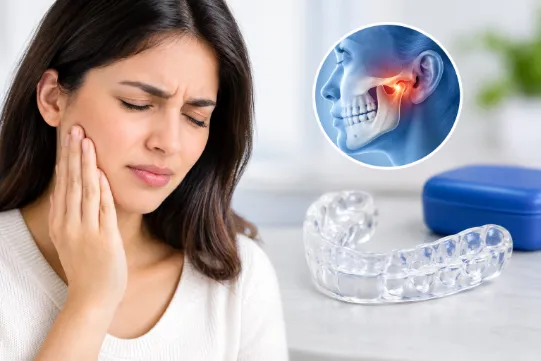
What Is a TMJ Mouth Guard?
TMJ vs. TMD: What’s the Difference?
Schedule Free Orthodontic Consultation
Get expert advice, a personalized treatment plan, and a clear path to your ideal smile.
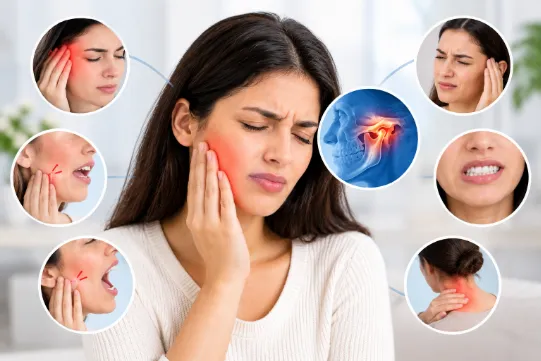
Common Signs and Symptoms of TMJ Disorders
- Jaw Pain or Tenderness : Discomfort near the jaw joint or chewing muscles.
- Morning Jaw Soreness : Muscle fatigue or tenderness after waking.
- Teeth Grinding or Clenching : Grinding during sleep or clenching during the day.
- Headaches or Facial Muscle Pain : Pain involving the temples, cheeks, or surrounding muscles.
- Jaw Clicking or Popping : Joint noises, sometimes with discomfort.
- Limited Jaw Opening : Difficulty opening fully or episodes of jaw locking.
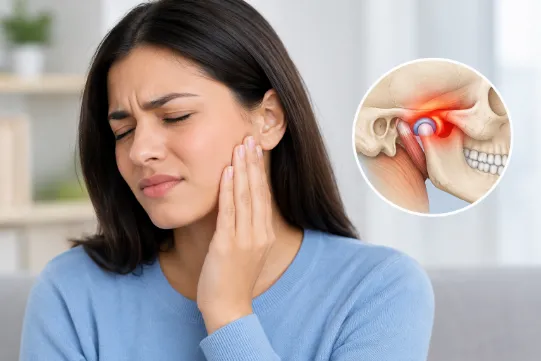
What Causes TMJ Pain and Jaw Discomfort?
- Jaw muscle overuse or tension
- Teeth clenching and grinding
- Joint inflammation or degenerative changes
- Internal joint disc displacement
- Previous injury or trauma
- Stress-related muscle activity
- Certain systemic or inflammatory conditions
Types of Mouth Guards and Occlusal Splints
Custom Hard Occlusal Splints
Rigid appliances used in selected patients for stabilization, tooth protection, or conservative symptom management.
Custom Night Guards
Appliances primarily intended to protect teeth and restorations from grinding-related wear.
Soft Night Guards
Flexible appliances that may be appropriate for some patients, though not ideal for every condition.
Specialized Therapeutic Splints
Designed for specific indications, sometimes requiring an orofacial pain specialist.
READY FOR A HEALTHIER, STRAIGHTER SMILE?
TMJ Splints vs. Regular Night Guards
| Feature | Occlusal Splint | Night Guard |
|---|---|---|
| Primary purpose | Selected TMD symptom management or stabilization | Tooth protection from grinding |
| Custom fitted | Commonly | Commonly |
| May protect teeth | Yes | Yes |
| May help jaw discomfort | In selected patients | Sometimes; not guaranteed |
| Requires clinical evaluation | Yes | Yes |
| Cures TMD | No | No |
| Long-term monitoring | Recommended | Recommended |
The terms are sometimes used interchangeably, but design and treatment goals can differ.
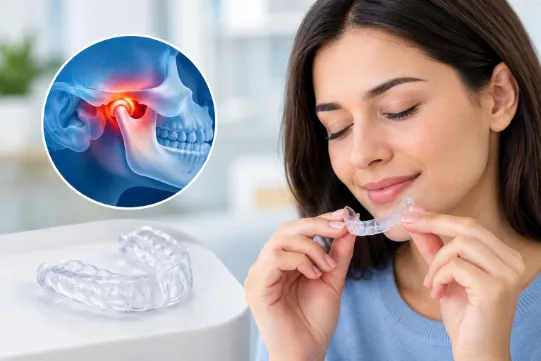
How Can a Custom TMJ Mouth Guard Help?
- Protect Teeth from Grinding : May reduce damage caused by tooth-to-tooth contact.
- Reduce Selected Muscle Symptoms : Some patients experience less jaw muscle soreness.
- Provide a Controlled Contact Surface : A carefully designed splint provides a stable opposing surface.
- Protect Dental Restorations : May help reduce grinding-related wear on restorations.
- Support Conservative Management : May complement education and self-care.
- Allow Symptom Monitoring : Follow-ups evaluate fit, symptom changes, and adverse effects.
Your TMJ Mouth Guard Evaluation & Treatment Journey
01 | Initial Consultation
Review symptoms, dental history, grinding or clenching habits.
02 | Jaw & Bite Evaluation
Examine jaw movement, muscles, teeth, occlusion, and signs of wear.
03 | Individualized Recommendations
Discuss appliance, conservative care, or specialist referral.
04 | Digital Scan or Impression
Obtain records for fabrication when an appliance is indicated.
05 | Appliance Delivery & Instructions
Evaluate fit and explain wear, cleaning, and maintenance.
06 | Follow-Up & Monitoring
Review symptoms, appliance condition, and bite changes.
How Long Should You Wear a TMJ Mouth Guard?
Can Wearing a Mouth Guard Change Your Bite?
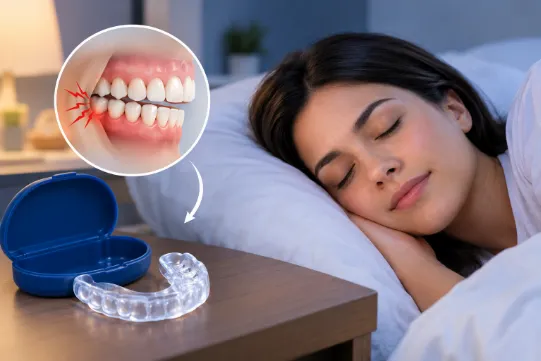
Can a Night Guard Stop Teeth Grinding?
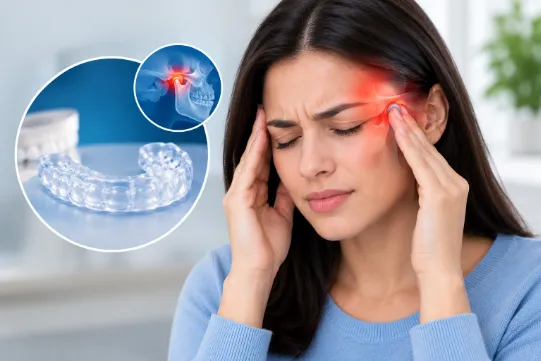
Can TMJ Mouth Guards Help with Headaches?
What Other Treatments May Help TMJ Disorders?
Conservative and reversible treatments are generally preferred before invasive or permanent procedures.
Jaw Rest & Habit Awareness
Avoid gum chewing, prolonged clenching, and excessive jaw loading.
Soft Diet During Flare-Ups
Temporarily avoid hard or chewy foods.
Warm Compresses
May relieve certain muscle-related symptoms.
Varies — Additional Orthodontics
Braces or aligners may be recommended afterward
Stress & Sleep Management
Address contributing tension and sleep factors.
Orofacial Pain Specialist Referral
For persistent, complex, or difficult-to-diagnose pain.
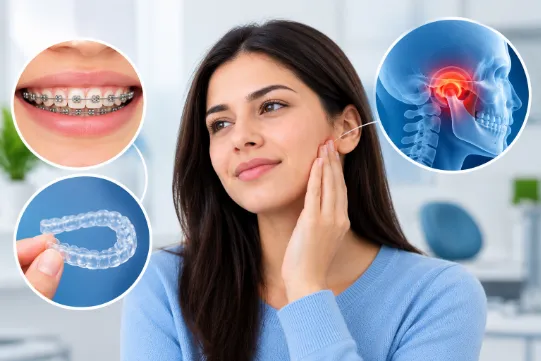
Can Braces or Invisalign® Treat TMJ Disorders?
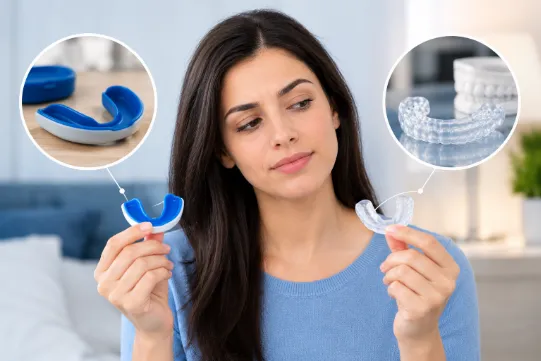
Are Over-the-Counter Mouth Guards as Good as Custom Guards?
How to Care for Your TMJ Mouth Guard
Clean the Appliance Regularly
Follow instructions for its specific material.
Avoid Hot Water
Heat may distort some materials.
Store in a Protective Case
Use a clean, ventilated case.
Inspect for Damage
Report cracks, rough edges, distortion, or fit changes.
Attend Follow-Up Visits
Monitor appliance, teeth, and bite.
Report New or Worsening Symptoms
Stop use and contact the clinician for significant pain or persistent bite changes.
Does Dental Insurance Cover TMJ Mouth Guards?
- Individualized Appliance Estimates : Pricing based on clinical needs.
- Insurance Benefit Verification : Review available dental benefits.
- CareCredit & Cherry : Financing for eligible applicants, subject to terms.
- Transparent Treatment Costs : Expected fees explained before proceeding.
Does Dental Insurance Cover TMJ Mouth Guards?
- Delta Dental : Benefits depend on your specific plan.
- MetLife : Benefits depend on your specific plan.
- Cigna : Benefits depend on your specific plan.
- Aetna : Benefits depend on your specific plan.
- GEHA : Benefits depend on your specific plan.
- Other Major PPO Plans : Benefits depend on your specific plan.
Why Choose Smile City Orthodontics for a Jaw & Bite Evaluation?
American Board-Certified Orthodontist
Dr. Jacob evaluates alignment, occlusion, and orthodontic considerations.
Individualized Recommendations
Decisions based on symptoms and clinical findings.
Conservative Care Philosophy
Reversible care and referral when appropriate.
Digital Orthodontic Records
Scans and indicated records support planning.
Privately Owned Family Practice
Personalized continuity of care.
Coordinated Specialist Care
Referral to orofacial pain or other providers as needed.
TMJ Mouth Guard Evaluations Near Mesquite, Forney & East Dallas
Smile City Orthodontics is located in Sunnyvale, TX, serving Mesquite, Forney, East Dallas, Garland, Seagoville, and nearby communities. If you have jaw discomfort, grinding, clenching, or bite concerns, Dr. Jacob can evaluate orthodontic factors and determine whether an oral appliance or referral is appropriate.