
Types of Braces in Sunnyvale, TX
Explore Your Options for a Healthier, Confident Smile
Braces are not one-size-fits-all. Different orthodontic appliances can straighten teeth, improve bite relationships, and address crowding or spacing. At Smile City Orthodontics in Sunnyvale, TX, Dr. George Jacob, an American Board-Certified Orthodontist, evaluates your smile, bite, treatment goals, and lifestyle before recommending an option.
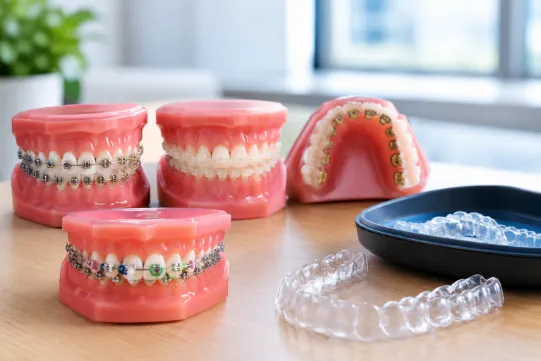
Our practice offers traditional metal braces and clear ceramic braces. We also offer Invisalign® clear aligners as an alternative to braces for suitable patients.
Schedule Your Complimentary Orthodontic Consultation
Get expert advice, a personalized treatment plan, and a clear path to your ideal smile.
What Are the Different Types of Braces?
Traditional Metal Braces
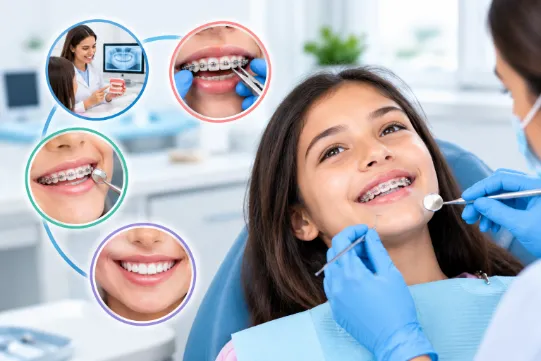
Metal braces use brackets bonded to the teeth and an archwire to guide tooth movement. They are a versatile option for many mild, moderate, and complex orthodontic problems. Modern metal brackets are generally smaller and more streamlined than older designs.
Clear Ceramic Braces
Ceramic braces work similarly to metal braces but use tooth-colored or translucent brackets that blend in more with the smile. They may appeal to teens and adults seeking a less noticeable fixed appliance. Ceramic brackets can require additional attention to avoid damage and visible staining of elastic ties.
Are Invisalign Clear Aligners a Type of Braces?
Invisalign uses a series of removable, custom-made clear aligners rather than fixed brackets and wires. It is an orthodontic treatment option, but technically not a type of braces. Aligners are appropriate for many patients, although certain tooth movements or complex bite corrections may be better managed with braces or a combination of approaches.
READY FOR A HEALTHIER, STRAIGHTER SMILE?
Other Braces Options You May Hear About
Six Factors to Consider When Choosing Braces
Compare these six factors with your orthodontist when choosing a treatment.
Appearance
Metal brackets are visible; ceramic brackets are less noticeable.
Treatment Needs
The bite problem and required tooth movements guide appliance selection.
Comfort
Any appliance may cause temporary pressure or irritation during adjustment.
Oral Hygiene
Fixed brackets require careful brushing, flossing, and regular dental cleanings.
Durability
Metal brackets are generally robust; ceramic brackets can be more brittle.
Cost and Coverage
Fees and insurance benefits depend on treatment needs and your plan.
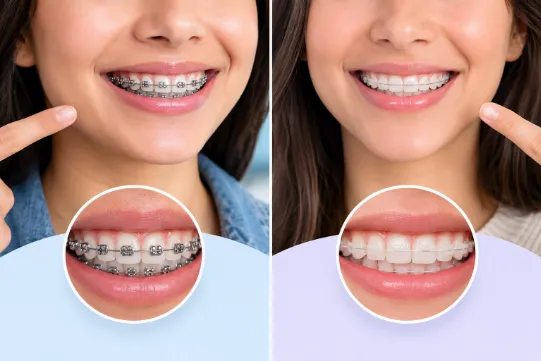
Metal Braces vs. Ceramic Braces: A Quick Comparison
- Visibility: Metal braces are more noticeable; ceramic braces blend in more with teeth.
- Function: Both use brackets and wires to move teeth and correct many bite problems.
- Maintenance: Both need careful cleaning and avoidance of hard or sticky foods.
- Durability: Metal brackets are typically less prone to chipping than ceramic brackets.
- Cost: Ceramic braces may cost more, depending on the treatment plan.
- Best choice: The ideal option depends on clinical needs, preferences, and budget.
Which Type of Braces Is Best for Me?
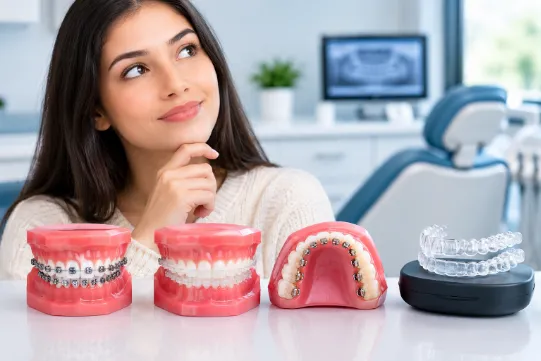
The best choice depends on more than appearance. Dr. Jacob assesses crowding, spacing, overbite, underbite, crossbite, tooth position, jaw relationships, and your ability to care for the appliance. Metal braces may be preferred when durability and precise control are priorities. Ceramic braces may be appropriate when you want a more discreet look. Invisalign may be discussed when a removable option can meet the treatment goals.
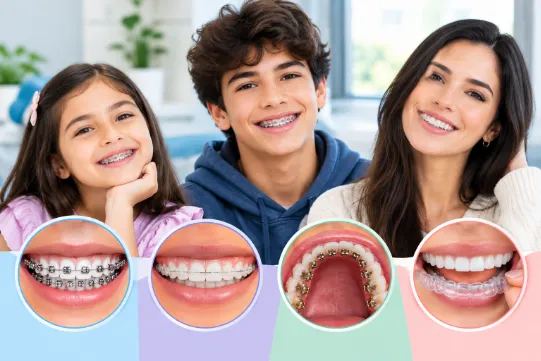
Types of Braces for Children, Teens, and Adults
Children: An early orthodontic evaluation can identify developing bite or eruption problems. Not every child needs braces immediately; some benefit from monitoring or limited early treatment.
Teens: Metal and ceramic braces can address a wide range of alignment and bite concerns. Lifestyle, sports, hygiene, and personal preferences help guide the decision.
Adults: Braces can be effective at many ages. Gum health, existing restorations, missing teeth, and prior dental work may affect treatment planning.
What to Expect During Braces Treatment
- Complimentary consultation: Discuss concerns, goals, and treatment options.
- Records and planning: Digital scans, photographs, and necessary X-rays help evaluate teeth and bite.
- Braces placement: Brackets and wires are placed if fixed appliances are selected.
- Routine adjustments: Visits monitor progress and allow appliance changes.
- Finishing: Final bite and tooth-position details are refined.
- Retention: Retainers help maintain results after active treatment.
How Long Do Braces Take?
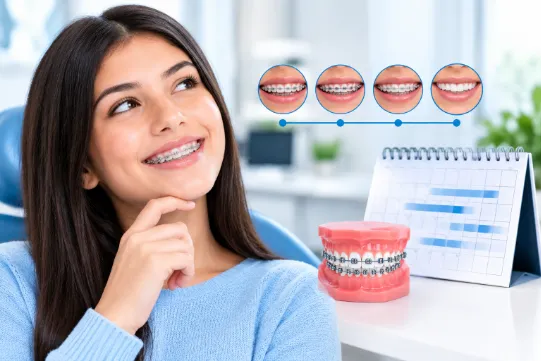
Treatment length varies with the severity of the orthodontic problem, the movements required, growth, and appliance care. Some limited cases take less time, while comprehensive bite correction can require 18–24 months or longer. You will receive an individualized estimate after your evaluation.
How Much Do Different Types of Braces Cost?
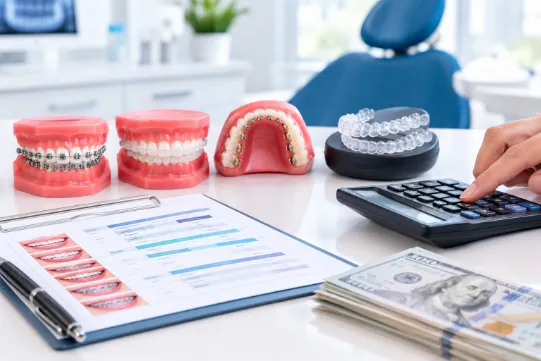
Braces fees vary based on case complexity, expected treatment duration, and appliance selection. Insurance may help with eligible orthodontic treatment. Smile City Orthodontics offers a complimentary consultation, insurance-benefit review, and available payment arrangements so you can understand the estimated out-of-pocket cost before starting. Specific payment terms are confirmed by our team.
Why Choose Smile City Orthodontics?
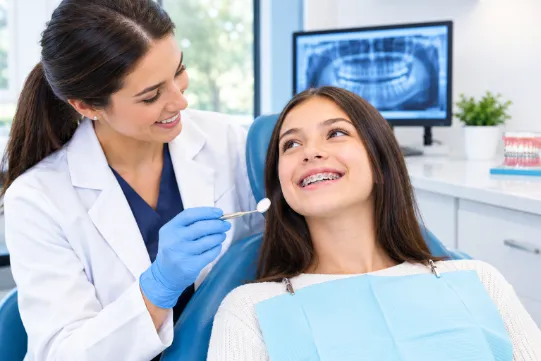
- Board-Certified Orthodontist: Dr. George Jacob is an American Board-Certified Orthodontist with specialty training in orthodontics.
- Private, Family-Owned Practice: Personalized attention and continuity of care at our Sunnyvale office.
- Treatment Options: Metal braces, clear ceramic braces, and Invisalign options are considered based on your needs.
- Modern Evaluation: Digital scans and diagnostic records support individualized treatment planning.
- Flexible Financial Conversations: Our team helps review insurance benefits and available payment options.
- Convenient Local Care: Serving families in Sunnyvale, Mesquite, Forney, Garland, Seagoville, and nearby Dallas communities.
Frequently Asked Questions About Types of Braces
What is the most common type of braces?
Traditional metal braces are a widely used fixed orthodontic option.
Are ceramic braces as effective as metal braces?
Both can effectively treat many orthodontic problems; the best choice depends on the movements needed.
Do clear braces stain?
Ceramic brackets generally resist staining, but clear elastic ties may discolor between visits.
Are metal braces faster than ceramic braces?
Neither is automatically faster. Complexity, biomechanics, and cooperation have a greater influence on duration.
Which braces are best for adults?
Adults may choose metal or ceramic braces, or Invisalign when clinically appropriate.
Can braces fix an overbite or underbite?
Braces can correct many dental bite problems; significant skeletal discrepancies may require additional treatment.
Can I play sports with braces?
Usually yes. An orthodontic mouthguard is recommended for contact sports.
Are braces painful?
Temporary tenderness is common after placement or adjustments, but persistent or severe pain should be evaluated.
Does insurance cover different types of braces?
Some plans include orthodontic benefits, subject to eligibility, limits, and exclusions.
Will I need retainers afterward?
Yes. Retention is an essential part of maintaining orthodontic results.
Explore Your Braces Options in Sunnyvale, TX
Whether you prefer traditional metal braces or a more discreet ceramic option, Smile City Orthodontics can help you understand the differences and select a treatment plan suited to your smile. Schedule a complimentary orthodontic consultation with Dr. Jacob to discuss your options.