
Early Orthodontic Treatment in Sunnyvale, TX
Phase I Orthodontics for Children | Early Evaluation, Growth Guidance & Bite Correction
A healthy smile begins with healthy growth. At Smile City Orthodontics, we help parents understand when their child may benefit from early orthodontic treatment and when it is better to simply monitor dental development.
Dr. George Jacob, BDS, MDS, MS, an American Board-Certified Orthodontist, provides personalized orthodontic evaluations for children in a privately owned, family-oriented practice in Sunnyvale, TX.
We welcome families from Mesquite, Forney, East Dallas, Garland, Seagoville, and surrounding communities.
Board-Certified Orthodontist
Personalized evaluation by Dr. Jacob
First Evaluation by Age 7
Early assessment of developing bites
Complimentary 3D Imaging*
When clinically indicated
Personalized Growth Monitoring
Treatment at the right time
*Complimentary CBCT imaging is available when clinically indicated. Most children do not require CBCT imaging for a routine orthodontic evaluation.
Schedule Free Orthodontic Consultation
Get expert advice, a personalized treatment plan, and a clear path to your ideal smile.
What Is Early Orthodontic Treatment?
Early orthodontic treatment, also called Phase I orthodontics or interceptive orthodontic treatment, is care provided while a child still has a combination of baby teeth and permanent teeth.
The goal is not necessarily to straighten every tooth. Instead, early treatment focuses on specific developing problems that may benefit from intervention before all permanent teeth have erupted.
Depending on the child’s needs, Phase I treatment may help correct certain crossbites, create space for erupting permanent teeth, improve the position of prominent front teeth, or address selected jaw development concerns.
Not every child needs early orthodontic treatment. Many children benefit from periodic observation until they are ready for comprehensive orthodontics.
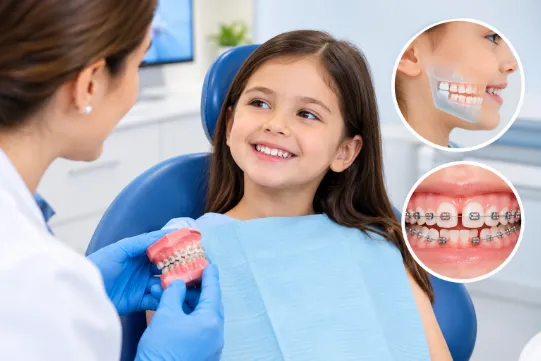
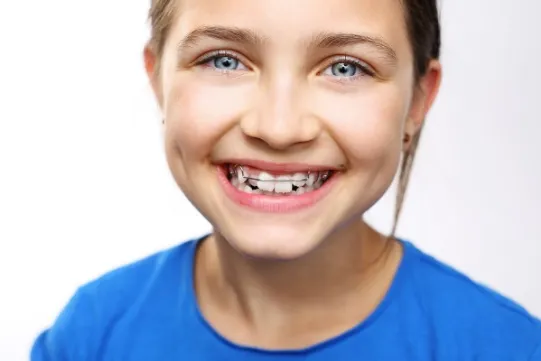
Why Should My Child See an Orthodontist by Age 7?
The American Association of Orthodontists recommends that children receive their first orthodontic evaluation no later than age 7.
At this age, permanent first molars and some front teeth have typically begun erupting, allowing an orthodontist to evaluate developing bite relationships and identify concerns that may not be obvious to parents.
An Evaluation at Age 7 Does Not Mean Braces at Age 7
Most children evaluated at this age do not need immediate treatment. An early visit helps determine whether your child needs intervention, growth monitoring, or simply another evaluation later.
Signs Your Child May Need an Early Orthodontic Evaluation
Crossbite
Upper teeth bite inside the lower teeth.
Prominent Front Teeth
Upper front teeth protrude significantly.
Severe Crowding
Permanent teeth have limited room to erupt.
Early or Late Baby Tooth Loss
Tooth loss may affect space for permanent teeth.
Underbite
Lower front teeth sit ahead of upper front teeth.
Jaw Shifting
The lower jaw shifts to one side when biting.
Eruption Concerns
Permanent teeth erupt unusually or appear blocked.
Persistent Oral Habits
Thumb sucking or other habits may affect developing tooth positions.
These signs do not automatically mean treatment is necessary. Dr. Jacob evaluates the child’s dental development, bite, and growth pattern before recommending care.
What Problems Can Phase I Orthodontic Treatment Address?
Posterior Crossbite
Palatal expansion or other appliances may help correct selected narrow upper arch relationships.
Anterior Crossbite
Early correction may reduce abnormal tooth contact and functional bite shifts.
Severe Crowding
Space management may improve conditions for developing permanent teeth in selected cases.
Protruding Front Teeth
Treatment may reduce excessive prominence of front teeth when clinically appropriate.
Developing Underbite
Selected children may benefit from early orthopedic or dental intervention, although future growth can affect outcomes.
Harmful Oral Habits
Habit appliances or behavioral approaches may help address persistent habits affecting the bite.
Early intervention may improve certain developing problems, but it does not guarantee that comprehensive braces, Invisalign®, extractions, or jaw surgery will never be needed later.
What Appliances Are Used During Early Orthodontic Treatment?
Palatal Expanders
Used in selected growing patients to widen a narrow upper jaw and help correct certain crossbites.
Partial Braces
Brackets placed on selected permanent teeth to correct specific alignment or bite problems.
Space Maintainers
Help preserve space when baby teeth are lost prematurely and space loss is a concern.
Habit Appliances
May be recommended when persistent oral habits are contributing to dental changes.
Other Growth-Related Appliances
Selected cases may benefit from appliances designed to influence developing dental or jaw relationships.
The choice of appliance depends on your child’s specific diagnosis, dental development, and treatment goals.
Your Child’s Early Orthodontic Treatment Journey
01 | Complimentary Orthodontic Evaluation
Dr. Jacob examines your child’s teeth, bite, eruption pattern, and jaw relationships. Digital records or imaging are obtained when appropriate.
02 | Personalized Treatment Recommendation
We explain whether your child needs early treatment or would benefit more from continued growth monitoring.
03 | Phase I Treatment, If Needed
Appropriate appliances are used to address specific orthodontic concerns. Progress is monitored during scheduled visits.
04 | Growth & Development Monitoring
After Phase I treatment, Dr. Jacob monitors the eruption of permanent teeth and determines whether future treatment is necessary.
READY FOR A HEALTHIER, STRAIGHTER SMILE?
What If My Child Doesn’t Need Braces Yet?
Sometimes the Best Treatment Is Simply Watching Them Grow
If your child does not need immediate treatment, Dr. Jacob may recommend periodic orthodontic growth and development evaluations.
These visits help us monitor permanent tooth eruption, developing bite relationships, crowding, and jaw growth.
Our goal is to recommend treatment at the right time—not simply the earliest time.
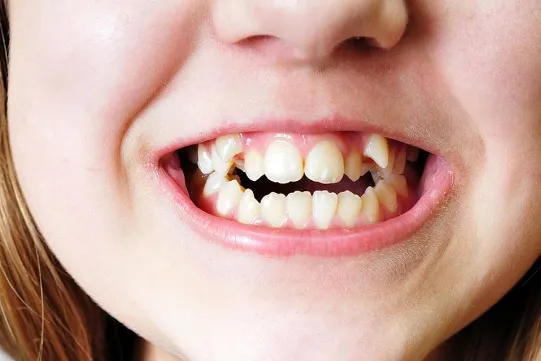
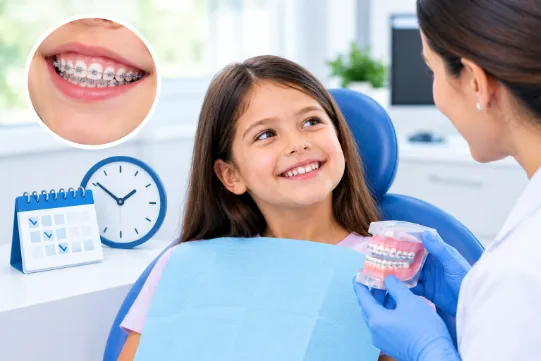
How Long Does Phase I Orthodontic Treatment Take?
Many Phase I treatments take approximately 6–12 months, although treatment may be shorter or longer depending on the orthodontic problem and appliance used. Some children require only a limited intervention, while others need more extensive treatment. After active Phase I treatment, a period of observation may be recommended while permanent teeth continue to erupt.
Does Early Orthodontic Treatment Prevent Braces Later?
Not necessarily. Phase I treatment is intended to address specific problems that may benefit from early intervention. It does not automatically eliminate the need for future orthodontic treatment.
Some children achieve their treatment goals without needing a second phase. Others will require comprehensive braces or clear aligners after their permanent teeth erupt.
Dr. Jacob will discuss the expected benefits, limitations, and likelihood of future treatment before beginning Phase I care.
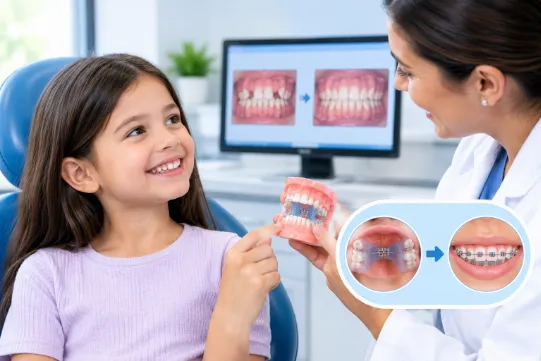
How Much Does Early Orthodontic Treatment Cost in Sunnyvale, TX?
The cost of Phase I treatment depends on the orthodontic problem, appliances needed, and expected treatment duration. At Smile City Orthodontics, we provide a personalized treatment estimate and explain available payment options before treatment begins.
Flexible Monthly Payments
Available arrangements to make treatment costs more manageable.
Insurance Benefit Verification
Our team helps review applicable orthodontic coverage.
CareCredit & Cherry
Additional financing options for eligible applicants.
Transparent Treatment Estimates
Understand recommended treatment and financial arrangements before starting.
No obligation to begin treatment during your child’s complimentary consultation.
Does Dental Insurance Cover Phase I Orthodontics?
Some dental insurance plans provide benefits for medically or dentally indicated early orthodontic treatment. However, coverage varies considerably. Our team helps review orthodontic benefits, age limitations, lifetime maximums, waiting periods, and other plan provisions.
Plans We Can Help Review
- Delta Dental
- MetLife
- Cigna
- Aetna
- GEHA
- Other Major PPO Plans
An important consideration is that Phase I and Phase II treatment may share the same lifetime orthodontic insurance maximum. Benefits used during early treatment may reduce the amount available for future comprehensive treatment.
Insurance acceptance does not guarantee in-network participation or coverage for a particular appliance.
Why Choose Smile City Orthodontics for Your Child?
- American Board-Certified Orthodontist: Dr. Jacob personally evaluates your child’s orthodontic development.
- Privately Owned Family Practice: Consistent, personalized care from the same owner-orthodontist.
- Treatment at the Right Time: We recommend early treatment only when there is a meaningful clinical benefit.
- Advanced Digital Technology: Digital scanning and clinically appropriate imaging support individualized planning.
- Flexible Payment Options: Insurance assistance and available monthly financing.
- Care That Grows With Your Child: Monitoring from early development through the permanent dentition.
Early Orthodontic Treatment Near Mesquite, Forney & East Dallas
Smile City Orthodontics is located in Sunnyvale, TX, and welcomes children and families from Mesquite, Forney, East Dallas, Garland, Seagoville, and surrounding communities.
Whether your child has crowded teeth, a crossbite, protruding front teeth, or you simply want to know if their smile is developing normally, an early orthodontic evaluation can help you understand the next steps.
Frequently Asked Questions About Early Orthodontic Treatment
1. At what age should my child first see an orthodontist?
The American Association of Orthodontists recommends an initial evaluation no later than age 7, or earlier if a problem is noticed.
2. Does every 7-year-old need braces?
No. Most children evaluated at age 7 do not require immediate orthodontic treatment.
3. What is Phase I orthodontic treatment?
It is treatment during the mixed dentition, designed to address selected developing orthodontic problems.
4. How long does Phase I treatment last?
Many cases take approximately 6–12 months, although the duration depends on the appliance and treatment goals.
5. Will my child need braces again after Phase I?
Possibly. Some children require comprehensive orthodontic treatment after their permanent teeth erupt.
6. What is a palatal expander?
A palatal expander is an orthodontic appliance used in selected growing patients to widen a narrow upper jaw.
7. Can early treatment prevent tooth extractions?
Certain interventions may help manage space or improve eruption conditions, but extractions cannot always be prevented.
8. Can early treatment correct an underbite?
Some developing underbites can benefit from early intervention, although future jaw growth may affect long-term outcomes.
9. Is early orthodontic treatment painful?
Children may experience temporary pressure or soreness with appliances. Our team explains what to expect and how to manage discomfort.
10. Does insurance cover Phase I treatment?
Some plans offer benefits, but coverage varies. Phase I treatment may use part of a child’s lifetime orthodontic maximum.
11. What happens if my child does not need treatment?
Dr. Jacob may recommend periodic growth and development monitoring until treatment becomes appropriate, if needed.
12. Is the initial orthodontic consultation complimentary?
Yes. Smile City Orthodontics offers complimentary orthodontic consultations to evaluate your child’s needs.
Schedule Your Child’s Complimentary Orthodontic Evaluation — The Right Care at the Right Time
Give your child the benefit of an early orthodontic evaluation with Dr. George Jacob, BDS, MDS, MS, an American Board-Certified Orthodontist.
Find out whether your child needs early treatment, periodic growth monitoring, or no orthodontic intervention at this time.
Sunnyvale, TX — Serving Mesquite, Forney, East Dallas & Surrounding Communities.