
How to Get Braces Glue Off Teeth in Sunnyvale, TX

Want to know how to get braces glue off teeth in Sunnyvale, TX? Orthodontists use safe polishing tools to remove the glue without harming your enamel. If any glue is still visible, don’t scrape it off; have a follow-up appointment instead. Keep reading this guide to explore why the adhesive is difficult to remove, the risks of DIY methods, and how orthodontists handle the removal.

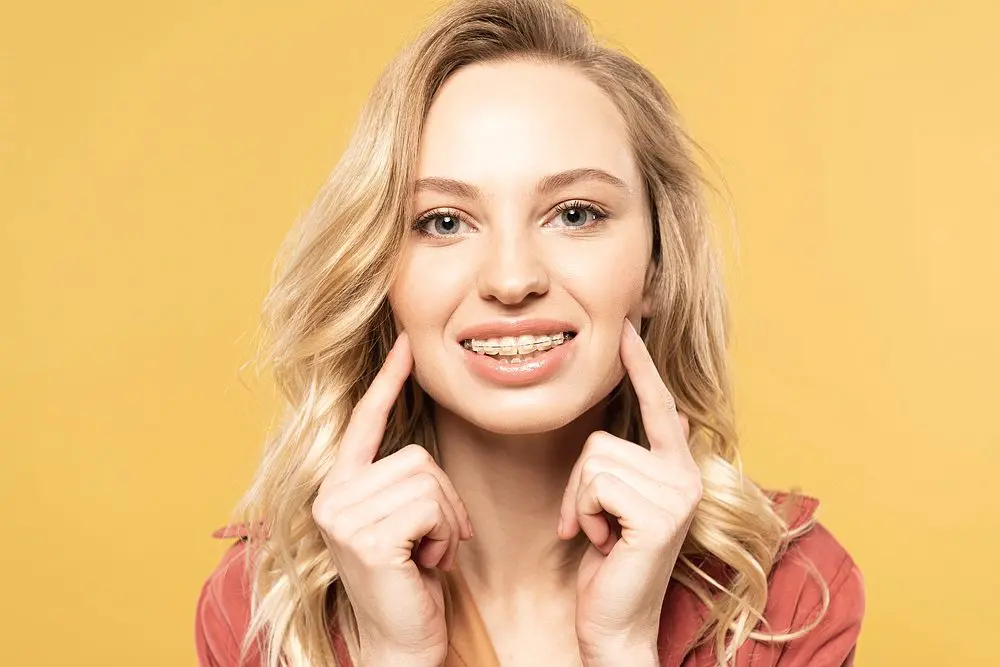
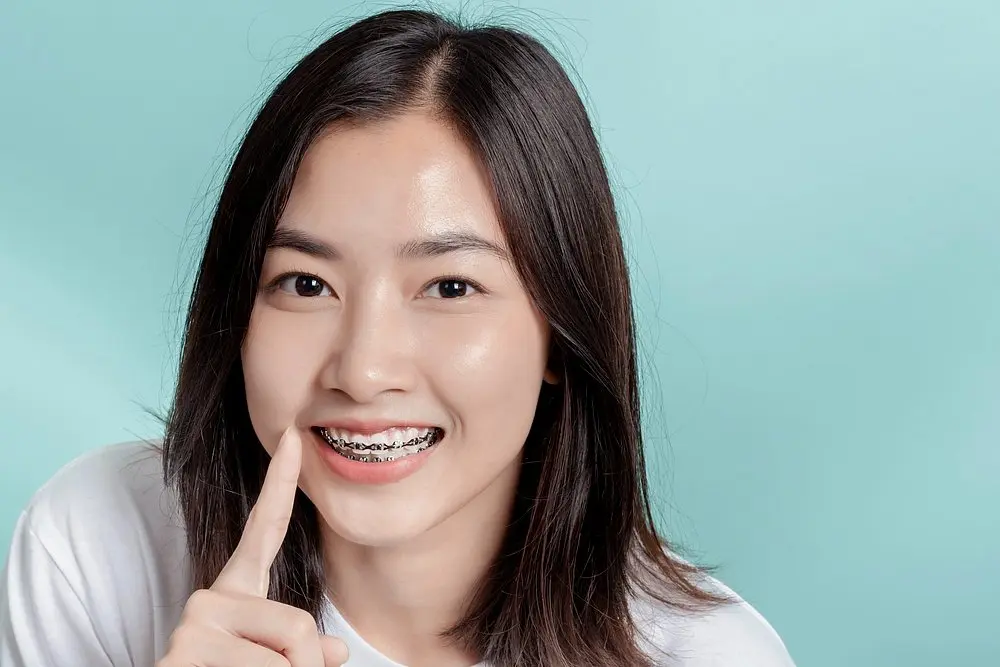
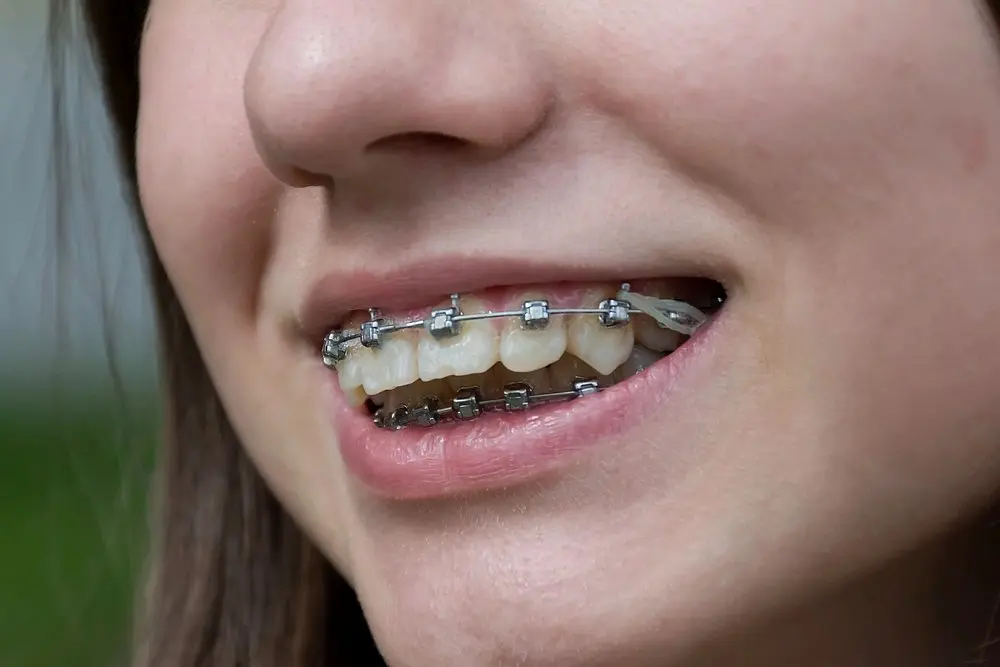
girl pointing her metal braces light blue background - How to Get Braces Glue Off Teeth in Sunnyvale, TX

What Is Braces Glue, and How Do Orthodontists Remove It?

Braces glue is a strong adhesive that bonds your braces to your teeth. This material is designed to last through your orthodontic care, standing up to brushing, flossing, and eating. But it isn’t meant to stay on your teeth forever. After your braces come off, the remaining adhesive needs to be removed carefully to avoid any harm to your enamel.

At Smile City Orthodontics, orthodontists use special tools for braces glue removal. These tools include polishing instruments and adhesive removers. These techniques allow orthodontists to gently and effectively remove glue, ensuring your teeth are smooth and free of residue. This process protects your enamel and keeps your teeth healthy.

Why Is Braces Glue Difficult to Remove?

Braces glue is designed to last for a long time, even years. While this durability is great for keeping braces secure during treatment, it makes removing the adhesive tricky without the proper tools. As Dr. David Carpinello, a respected orthodontist in Newtown Square, PA, points out, expert care ensures the glue is cleaned off smoothly without harming the enamel underneath.

If glue isn’t removed correctly, several problems could occur:

  • Sticky Residue: Leftover glue can trap plaque and bacteria. This increases the risk of cavities or tooth decay.
  • Rough Spots: Uneven glue patches can irritate your gums and may make teeth feel sensitive or sore.
  • Enamel Damage: Scraping glue off with sharp tools or using harsh substances may cause permanent enamel damage. Your enamel, unlike other parts of your body, cannot grow back after being scratched or eroded.

Orthodontists use professional tools and techniques to safely remove glue. This ensures the adhesive is cleaned off without harming your tooth enamel.

Why DIY Removal Can Hurt Your Teeth

Some people try to remove braces glue on their own. While this might seem like a simple task, it’s not safe. Orthodontic glue removal requires professional care. DIY methods often cause more harm than good and lead to permanent damage. Here are some common risks of trying to remove glue yourself:

1. Enamel Damage

Many DIY methods involve sharp objects like knives, scissors, or needles. These tools can scratch the enamel on your teeth, leaving permanent marks. Since damaged enamel cannot grow back, your teeth will become weaker and more vulnerable to decay.

2. Adhesive Residue

Home remedies, like scrubbing with baking soda paste, often fail to completely remove all adhesive residue. Leftover patches can make the tooth surface rough, trapping plaque and food particles. Over time, this buildup increases your risk of gum irritation and cavities.

3. Tooth Sensitivity

DIY braces glue removal often involves harsh or abrasive methods. These can expose sensitive areas of your teeth, making them more uncomfortable when eating or drinking hot or cold foods. Chemicals or aggressive scrubbing can also irritate your gums.

Mistakes to Avoid When Removing Braces Glue

To keep your smile safe, avoid these common errors when removing braces glue:

  • Don’t Use Sharp Tools: Scraping glue with sharp objects like scissors or needles can scratch and weaken your enamel.
  • Avoid Harsh Chemicals: Acids such as lemon juice or vinegar can erode your enamel, causing permanent damage.
  • Don’t Whiten Too Soon: Whitening toothpaste and strips can irritate your teeth immediately after braces are removed.

How to Care for Your Teeth After Glue Removal

Once your orthodontist has removed the braces glue, it’s important to care for your teeth properly. Good dental hygiene and mindful habits can help maintain smooth, healthy enamel. Here are some tips:

1. Brush and Floss Daily

Brush your teeth twice a day with a soft toothbrush and fluoride toothpaste. This routine will keep your enamel strong and your teeth clean. Floss every day to remove any food particles or plaque stuck between your teeth. If flossing is tricky, a water flosser can help you.

2. Rinse with Saltwater

If your gums feel tender after glue removal, rinse them with saltwater to reduce discomfort. Mix half a teaspoon of salt into a cup of warm water and swish it around for 30 seconds. Repeat this two or three times a day.

3. Use Fluoride Mouthwash

Fluoride mouthwash can strengthen your enamel while protecting your teeth from plaque. Rinse with fluoride mouthwash every evening to help prevent future damage.

4. Stick to Soft Foods

After the glue removal process, eat soft foods like yogurt, mashed potatoes, or scrambled eggs. Avoid hard or sticky foods like nuts, caramel, or gum, which could damage newly polished teeth.

Long-Term Dental Tips for Healthy Teeth

A good dental hygiene routine will keep your teeth healthy long after your braces come off. Remember these simple tips to protect your smile:

  • Brush your teeth twice daily with fluoride toothpaste.
  • Floss daily to keep your gums and teeth clean.
  • Schedule regular dental cleanings every six months.
  • Eat tooth-friendly foods like leafy greens, cheese, and yogurt, while limiting sugary snacks and sodas.

What Happens During Braces Glue Removal?

At Smile City Orthodontics in Sunnyvale, TX, the braces glue removal process is quick, easy, and pain-free. Here’s what to expect:

Before Your Visit

Brush your teeth thoroughly before your appointment to remove any plaque or food debris. Avoid eating sticky or hard foods on the day of your visit. If you have questions about the removal process or aftercare, write them down to discuss with your orthodontist.

During the Appointment

Your orthodontist will use professional polishing tools to gently clean your tooth surface. Glue removal usually takes 30 to 45 minutes and is comfortable for most patients.

After the Appointment

Once the process is complete, follow the care tips your orthodontist provides. Stick to soft foods for a few days, avoid biting hard objects like ice, and continue practicing good oral hygiene.

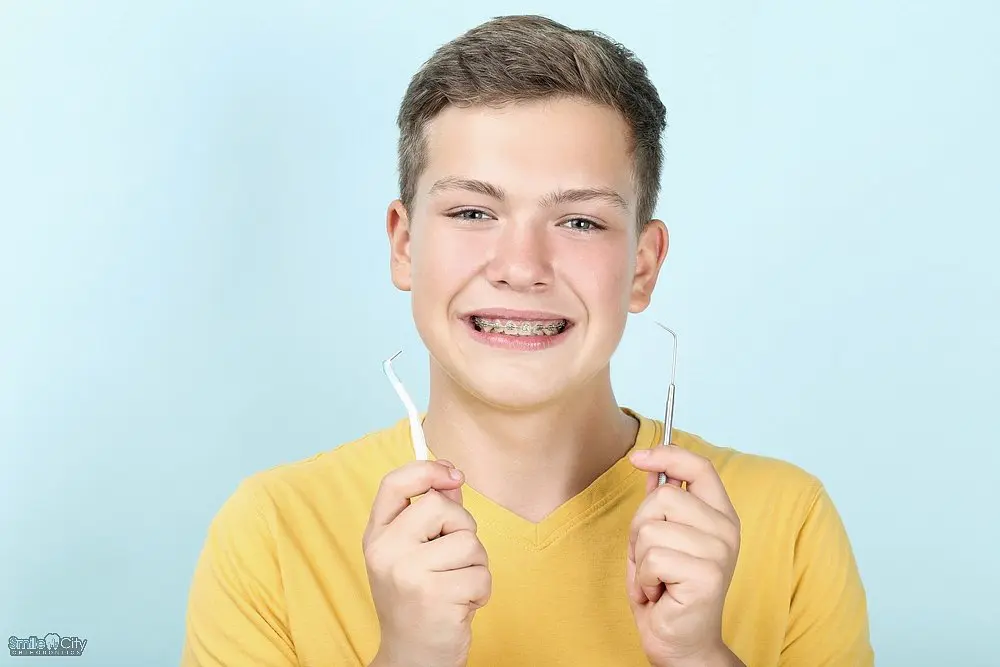
young man with metal braces showing thumb up on blue background - How to Get Braces Glue Off Teeth in Sunnyvale, TX

Why Choose Smile City Orthodontics in Sunnyvale, TX?

At Smile City Orthodontics, we ensure your treatment process of braces glue removal process is simple, safe, and stress-free. We use advanced tools and gentle polishing techniques to clean off adhesive without harming your enamel. Whether you received your braces treatment here or transferred to us from another practice, we are committed to keeping your smile healthy.

Schedule Your Appointment Today!

If you’re ready to finish your braces journey with smooth, healthy teeth, our team at Smile City Orthodontics is here to help. Professional glue removal protects your enamel, prevents sensitivity, and ensures your smile looks its best. Schedule your consultation today and enjoy the confident, polished smile you’ve been waiting for.

About The Author

Dr. Jeryn Jacob – Orthodontist in Sunnyvale, TX

Dr. David Carpinello – Orthodontist in Drexel Hill, Newtown Square, and Edgmont, PA

Frequently Asked Questions

Will my teeth feel sensitive after the glue is removed?

Some people may feel slight sensitivity after the glue is taken off, but this feeling is usually temporary. It often goes away in a few days. Using fluoride toothpaste and avoiding very hot or very cold foods can help while the sensitivity settles.

Can braces glue stain your teeth?

The glue itself does not normally cause staining. Any marks that appear are usually caused by plaque that built up around the brackets during treatment. Good brushing and regular dental cleanings can help prevent these spots. After the glue is removed and your teeth are polished, they should look smooth and even in color.

How long does dental glue last on teeth?

The glue used for braces is designed to stay in place for your entire braces treatment. It is strong enough to hold the brackets, but it is not permanent. When your braces are removed, the dentist will also remove the glue during the same appointment.

How to Floss with Braces in Sunnyvale, TX

Having trouble figuring out how to floss with braces in Sunnyvale, TX? You’re not alone! Managing your oral hygiene with brackets and wires can be tricky at the start. But with the right flossing tools and techniques, it gets much easier. Keep reading to learn how to make flossing quick, easy, and stress-free.

closeup image smiling teenager curly red hair metal braces - How to Floss with Braces in Sunnyvale, TX

Why Flossing with Braces Is So Important

Braces help straighten your teeth, but they can make cleaning harder. Wires and brackets often trap food and plaque in small spaces. If not cleaned well, this buildup can turn into tartar and cause tooth decay or gum disease. Flossing is important because brushing alone can’t reach every spot. A steady flossing routine keeps your teeth clean and helps your braces work better.

The Best Tools to Improve Your Flossing Routine

The right tools can simplify the process of flossing with braces. Here are the most popular and effective options:

Floss Threaders

Floss threaders work like sewing needles to help you guide dental floss under your wires. These are particularly helpful for reaching between your teeth without damaging your braces. They are small, easy to use, and can save you time while cleaning. With a bit of practice, you’ll be able to floss your whole mouth with less effort.

Water Flossers and Oral Irrigators

Water flossers shoot water between your teeth and around brackets and wires. They’re great for people who struggle with string floss or have sensitive gums. The gentle water stream helps remove food and plaque without irritation.

Superfloss

Superfloss is pre-cut floss that combines stiff ends to help with threading and spongy sections for cleaning under wires. This tool is excellent for reaching tricky spots around brackets. It’s soft, easy to handle, and made for people with braces.

Interdental Brushes (Proxy Brushes)

An interdental or proxy brush is a small toothbrush designed to clean between teeth. This tool removes plaque buildup in spaces that floss may not reach easily. These brushes come in many sizes and fit comfortably between your brackets.

Floss Picks

Floss picks have a handle and a piece of pre-threaded floss, making it simple to clean tight areas between your teeth. Many people find these more comfortable and quicker to use compared to string floss. They’re easy to carry and perfect for cleaning on the go.

Where to Find These Flossing Tools

You can pick up flossing tools like water flossers, floss threaders, proxy brushes, or floss picks at local stores, online, or at your orthodontic clinic. Smile City Orthodontics in Sunnyvale, TX, also offers starter kits with everything you need to start good oral care at home.

Flossing with Braces: A Simple Step-by-Step Guide

Follow this guide for an effective flossing routine:

Step 1: Get Your Floss Ready

Take about 18 inches of dental floss. Use a floss threader to guide it under the wire before starting. According to Dr. Jared Gianquinto, a professional orthodontist in Bakersfield and Tehachapi, CA, using the right length of floss ensures you have enough to reach every tooth without reusing dirty sections.

Step 2: Floss Around Each Toothreusing

Wrap the floss around one tooth in a “C” shape. Gently slide the floss up and down along the gumline to clear out debris and plaque. Avoid pulling too hard to prevent gum irritation or damage to your brackets.

Step 3: Use a Water Flosser for Extra Cleaning

Complement your flossing routine by using a water flosser to target tricky areas like your back teeth, wires, or brackets. Adjust the pressure settings if your gums are sensitive.

Step 4: Brush Thoroughly

After flossing, brush your teeth using a soft-bristled toothbrush and fluoride toothpaste. Pay special attention to the spaces around wires and brackets. For added protection, rinse with fluoride mouthwash to fight against tooth decay and plaque buildup.

Adjusting Flossing Methods for Different Types of Braces

Each type of braces requires slightly different flossing techniques:

  • Metal Braces: Spend extra time threading dental floss through the wires.
  • Clear Braces: Be gentle to avoid breaking the delicate brackets.
  • Lingual Braces: Since these braces are placed behind the teeth, use tools like a water flosser or proxy brush to reach the back surfaces.
  • Self-Ligating Braces: These tend to have fewer parts, but your flossing routine should still be thorough.

How to Overcome Flossing Challenges

Flossing may feel awkward with braces, but practice and the right tools will help. Here are solutions to common challenges:

  • Sensitive or Bleeding Gums: Flossing can irritate gums, especially if you’re new to it. Rinse with warm saltwater to ease discomfort. Gentle flossing over time also strengthens your gums.
  • Hard-to-Reach Areas: Use tools like a proxy brush, interdental brushes, or a water flosser to clean narrow spaces and back teeth effectively.
  • Frustration with String Floss: If threading string floss feels too slow, try pre-threaded floss picks. These tools speed up the process and make it less frustrating.

Post-Braces Oral Hygiene Routine

After your braces are off, continuing good dental hygiene habits is important to preserve your new smile:

  • Retainer Cleaning: Rinse and brush your retainer regularly to prevent plaque accumulation.
  • Daily Flossing: Keep flossing every day to maintain healthy gums and teeth.
  • Brushing Techniques: Brush twice a day for at least two minutes using fluoride toothpaste.
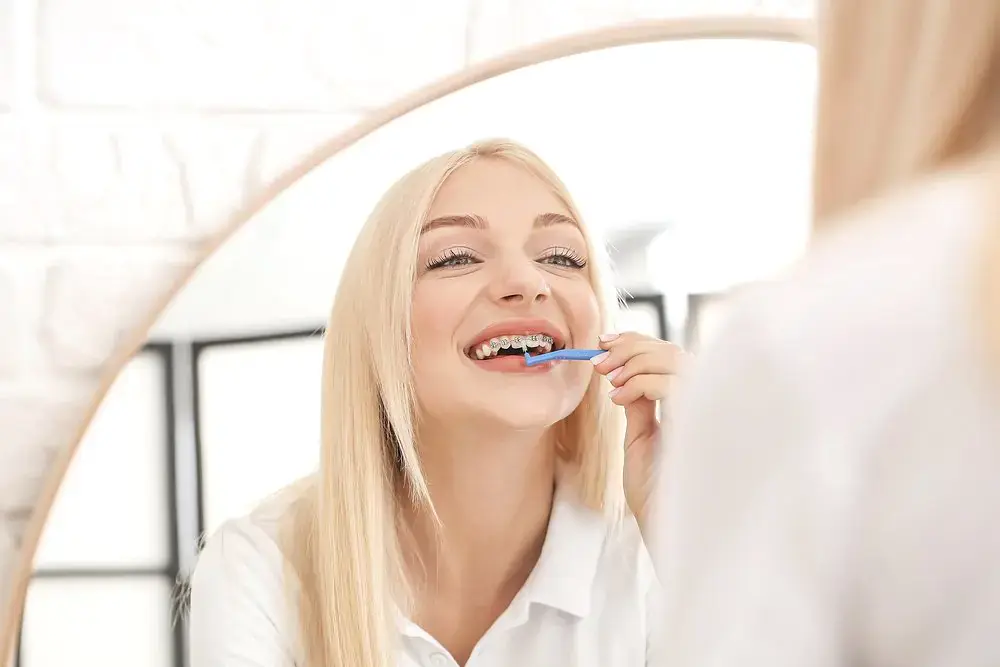
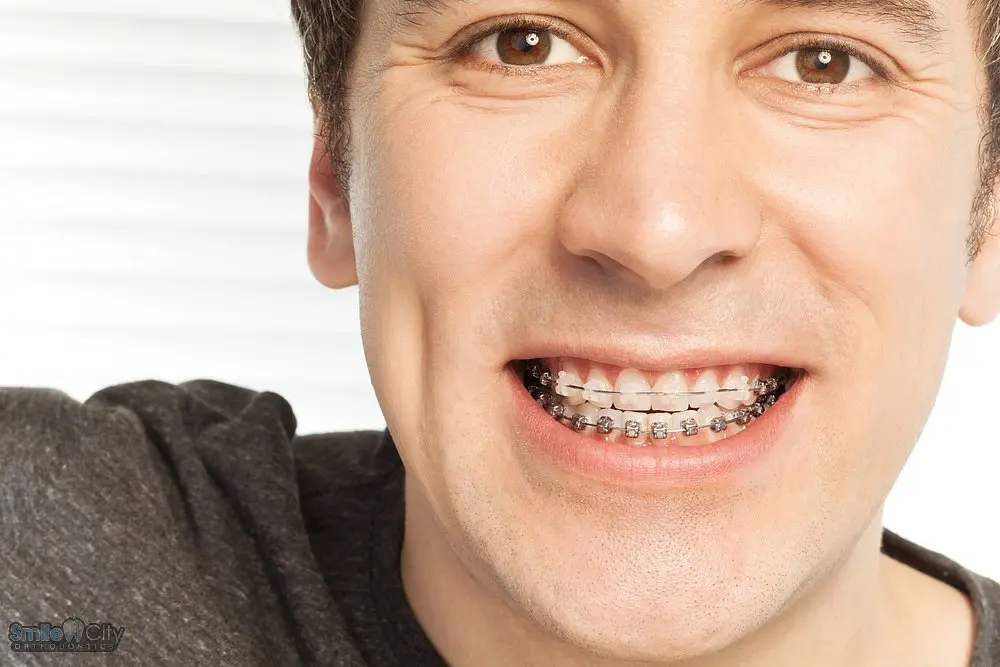
young man with metal braces toothbrush dentist tool - How to Floss with Braces in Sunnyvale, TX

Why Smile City Orthodontics Recommends Proper Flossing

At Smile City Orthodontics, we believe that proper oral hygiene practices are key to achieving the smile you’ve always wanted. Our team provides:

  • Personalized Flossing Tips: Learn how to floss effectively based on your specific braces type.
  • Starter Kits: Receive tools like floss threaders, water flossers, and proxy brushes to simplify your daily routine.
  • Expert Help: Our team can guide you with gum care, plaque control, and ways to prevent tooth decay.

Start Your Flossing Routine Now

Flossing with braces doesn’t have to be a challenge. The right flossing tools and methods can simplify your routine and make a big difference in your dental health. If you’re struggling to keep your teeth clean, Smile City Orthodontics is here to help. Contact our office in Sunnyvale, TX, for personalized advice and the tools you need to keep your smile healthy.

About The Authors

Dr. Jeryn Jacob – Orthodontist in Sunnyvale, TX

Dr. Jared Gianquinto – Orthodontist in Bakersfield and Tehachapi, CA

Frequently Asked Questions

Why is it so hard to floss with braces?

Flossing with braces can feel tough because the wires and brackets get in the way. It’s harder to guide the floss between your teeth, and you have to be extra careful not to snag it or pull on the braces. It can take more time and patience, especially when reaching the back teeth. But with practice and tools like floss threaders or small brushes, it gets easier. A little extra effort now will help keep your smile healthy and bright.

Is it OK to not floss with braces?

Skipping flossing with braces might seem tempting, but it’s not a good idea. Braces can trap food and plaque, which can lead to cavities, stains, or gum problems. Flossing helps keep your mouth clean and healthy during treatment. Even if it feels like a hassle at first, it gets easier with time and the right tools.

How can I tell if I’m flossing correctly?

You’re likely flossing right if you feel gentle resistance as the floss slides between your teeth. Wrap the floss in a C-shape around each tooth and move it up and down, not side to side. A little squeaky sound means your teeth are getting clean. Don’t skip the back teeth, and be gentle to avoid bleeding gums. With regular practice, flossing will feel quicker and easier.

Overbite vs Underbite in Sunnyvale, TX

Do you want to know about overbite vs underbite in Sunnyvale, TX?. These conditions not only affect your smile’s appearance but can also cause tooth alignment issues, speech difficulties, and jaw problems, such as TMJ pain.

woman wearing orthodontic ceramic clear bracecs - overbite vs underbite in Sunnyvale, TX.

What Are Overbites and Underbites?

An overbite occurs when your upper teeth cover the lower teeth too much. This is one of the most common tooth alignment issues we see.

An underbite is the opposite. Here, the lower teeth stick out past the top teeth. This affects jaw positioning, facial balance, and bite function. According to Dr. Nick Kim, a local family orthodontist in Suwanee, GA, correcting underbites not only restores bite alignment but also improves long-term facial symmetry and oral health.

Causes of Overbites and Underbites

Bite misalignments can stem from many factors, such as:

Genetics

Jaw size, shape, and facial growth patterns are often inherited traits. Patients with family members who experienced tooth alignment issues may develop the same challenges.

Childhood Habits

Long-term thumb-sucking, pacifier use, or bottle-feeding can disrupt jaw growth, causing an overbite, underbite, or other misalignments.

Environmental and Growth Factors

Missing teeth, poor oral hygiene, or airway problems like sleep apnea and snoring can alter jaw development over time. These conditions worsen bite functionality and impact wear and tear on enamel.

Why Fix Overbites and Underbites?

Fixing bite problems early helps protect your health and improve daily life. If left untreated, a bad bite can lead to:

  • Jaw Pain & TMJ Issues: Misaligned teeth can strain your jaw joint, causing pain, popping sounds, or headaches.
  • Chewing Problems: An uneven bite makes eating harder and more tiring.
  • Speech Issues: Teeth that don’t line up can make certain sounds, like “s” or “th,” harder to say.
  • Tooth Damage: Uneven pressure wears down enamel, raising the risk of cavities and tooth pain.
  • Breathing Trouble: Severe bite problems can narrow the airway, causing snoring or even sleep apnea.

Fixing these problems supports better oral health and makes eating, speaking, and smiling more comfortable.

Treatment Options for Bite Issues

At Smile City Orthodontics, we offer several treatment options to correct bite alignment. The right solution depends on your case severity, goals, and treatment timeline.

Non-Surgical Treatments

Braces: Braces use brackets, wires, and elastics to move teeth into the right place. For bite correction, we may add bite turbos, bite plates, or expanders to guide jaw positioning.

Invisalign and Clear Aligners: Clear aligners like Invisalign are a discreet option for mild to moderate overbites, underbites, overjet, or spacing problems. They are removable, making oral hygiene easier.

Growth Modifiers and Appliances: Younger patients may benefit from jaw expanders, headgear, or other bite devices. These tools help guide jaw growth and reduce the chance of needing surgery later.

Surgical Treatments

When bite problems are severe, orthognathic surgery may be needed. This procedure repositions the jaw for proper alignment. After surgery, braces or aligners fine-tune the tooth positioning.

Benefits of Bite Correction

Correcting overbites, underbites, and similar issues has significant benefits:

  • Improves chewing function and reduces discomfort when eating.
  • Prevents enamel erosion, gum disease, and TMJ disorders.
  • Enhances your smile appearance and raises self-confidence.
  • Promotes better oral hygiene and reduces the risk of tooth decay.

Improving bite mechanics helps you maintain oral health and enjoy a higher quality of life.

Cost of Overbite & Underbite Treatment in Sunnyvale, TX

The cost to treat an overbite or underbite is different for every patient. Your price depends on how severe your bite is and what treatment you need.

Mild bite problems are often fixed with braces or clear aligners. These treatments usually cost between $3,500 and $7,500.

Retention and Maintenance

When treatment ends, it’s important to protect your results. This step is called retention, and it keeps your teeth in their new position.

  • Wear Retainers: Retainers stop teeth from moving back.
  • Practice Daily Care: Brush and floss every day to keep teeth and gums healthy.
  • Visit Regularly: Checkups help catch problems early and keep your smile on track.
happy young man with metal braces - Overbite vs Underbite in Sunnyvale, TX

Why Choose Smile City Orthodontics in Sunnyvale, TX?

Patients choose us because we combine skill, technology, and personalized care.

  • Experienced Orthodontist – has years of experience treating complex bite problems and guiding jaw alignment.
  • Advanced Technology – use 3D imaging, x-rays, and precise tools for an accurate evaluation.
  • Affordable Options – work with many insurance plans and offer flexible payment solutions to manage cost.
  • Personalized Care – each patient gets a unique treatment plan tailored to their needs.

Take the First Step Toward a Better Smile

Smile City Orthodontics is here to help you fix your bite and improve your smile. From your first consultation to the final retainers, we guide you every step of the way.

Schedule your appointment today in Sunnyvale, TX. Let’s start your journey toward better jaw alignment, improved oral hygiene, and a confident smile.

About the Authors

Dr. Jeryn Jacob – Orthodontist in Sunnyvale, TX

Dr. Nick Kim – Orthodontist in Suwanee and Tucker, GA

Frequently Asked Questions

What age is too late to fix an overbite?

It’s never too late to fix an overbite. Treating it in childhood is often easier and faster, but adults can benefit too. Whether you are 25, 45, or even 65, you still have options. Braces, clear aligners, or other treatments can help align your teeth and improve your bite. Talk with your dentist to find the best plan for you. Age should not stop you from getting the smile you want.

What happens if you never fix an overbite?

If you don’t fix an overbite, you may face problems later. Your teeth can wear down and become sensitive. You might have trouble chewing and even feel jaw pain or headaches. Your speech may be affected, and you could feel less confident about your smile. In some cases, it can even change your face shape. Fixing your overbite can help you avoid these issues in the future.

Can you fix an overbite completely?

Yes, most overbites can be fixed fully. The right treatment can change your smile and bite. Your dentist may suggest braces, aligners, or surgery for severe cases. Everyone’s case is different, so treatment time can vary. Be patient and follow your dentist’s advice. You’ll be on your way to a straight and healthy smile.

How Long Do Braces Take in Sunnyvale, TX

Wondering how long do braces take in Sunnyvale, TX? The timeline depends on factors like your age, the type of braces, and the complexity of your orthodontic issues. At Smile City Orthodontics, we provide personalized care to meet your smile goals.

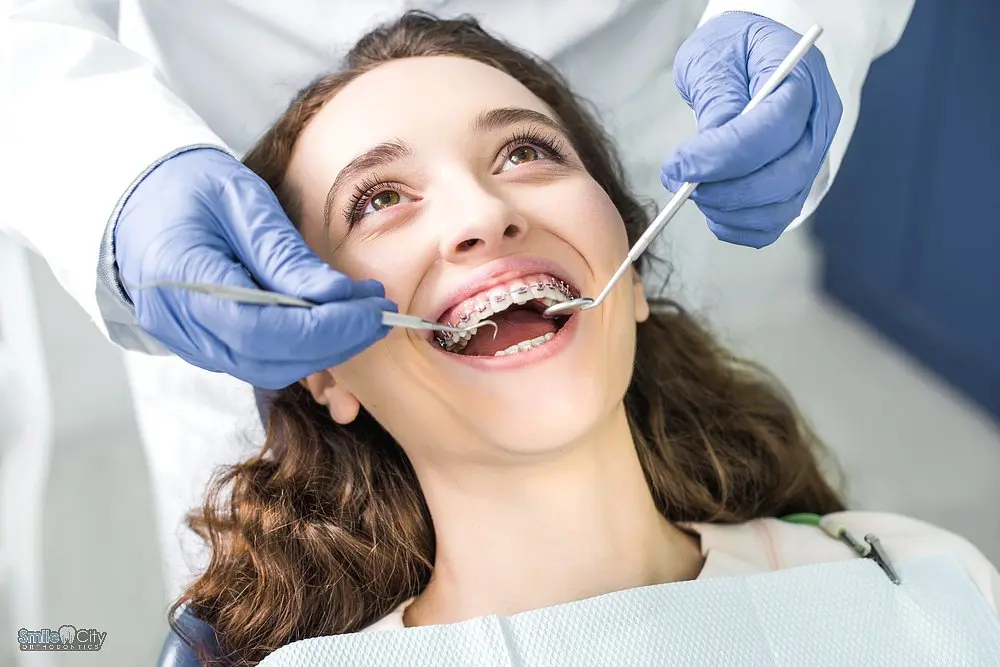
cropped view dentist latex gloves examining cheerful woman metal braces opened watermark - how long do braces take in Sunnyvale, TX.

How Long Will You Need Braces?

On average, most people wear braces for 18 to 24 months. However:

  • Mild cases (like small gaps or slight crowding) may only need 12 months.
  • Complex cases (such as severe crowding, overbites, underbites, or jaw misalignment) can take up to 30 months or more.

At our orthodontic office in Sunnyvale, the process starts with a thorough evaluation, including photographs, molds, and x-rays.

Factors That Affect Treatment Length

Several factors influence how long your braces will stay on.

Severity of Misalignment

Mild issues like small gaps or minor crowding generally resolve more quickly than severe underbites, overbites, or bite problems that require significant jaw alignment corrections. According to Dr. Taylor Kauffman, a trusted orthodontist in New Braunfels, TX, the severity of bite issues often dictates the approach and timeline for achieving lasting results.

Your Age

Kids and teens usually finish treatment faster because their teeth and jaws are still growing, which makes movement easier. Adults may need a little more time since their teeth and jaws are fully developed, often adding a few extra months to treatment.

Type of Braces or Aligners

The type of braces you choose also impacts the timeline:

  • Metal Braces: Known for efficiency, particularly for severe issues. A metal brace cost analysis often shows they’re both affordable and durable.
  • Ceramic Braces: Similar to metal braces but with tooth-colored brackets for a subtle look.
  • Clear Aligners (Invisalign): Often faster for mild to moderate cases since aligners are designed for precise tooth movement.

Patient Compliance

Following your orthodontist’s instructions speeds up the process. This includes wearing retainers, rubber bands, or aligners as directed, attending adjustment appointments, and maintaining excellent oral hygiene. According to Dr. Nicole Crasto, a well-known orthodontist in Liberty Township, OH, following your treatment rules helps finish braces sooner.

Can Treatment Be Shortened?

Yes, advancements in orthodontics can reduce treatment time while ensuring effective results. Here are a few faster options available at Smile City Orthodontics:

  • Self-Ligating Braces: These use advanced brackets that reduce friction, helping teeth shift into position faster.
  • Clear Aligners: Invisalign aligners are often quicker for patients with mild spacing or crowding issues.
  • Accelerated Orthodontics: This includes tools like vibration devices or minor surgical procedures, which speed up tooth movement.

Talk with your orthodontist during your consultation to learn if these options are right for you.

Why Straighten Crooked Teeth?

Braces do more than improve your smile. They also create healthier teeth and better tooth function. Here’s how they help:

  • Easier Cleaning: Straight teeth are simpler to brush and floss, reducing the risk of cavities or gum disease.
  • Stronger Bite: Correct alignment lowers stress on your jaw and ensures your teeth meet properly when chewing.
  • Confidence Boost: A straighter smile helps you feel more confident in personal and professional settings.

Overall, braces improve your oral health, jaw comfort, and quality of life.

Why Choose Smile City Orthodontics in Sunnyvale, TX?

At Smile City Orthodontics, we’re dedicated to creating happy, healthy smiles that last a lifetime. Families in the Sunnyvale area choose us because of our:

  • Experienced Team: Our orthodontists specialize in treating children, teens, and adults with a wide range of orthodontic needs.
  • State-of-the-Art Technology: From advanced X-rays to 3D imaging and self-ligating braces, we use modern tools to ensure accurate, efficient care.
  • Custom Treatment Options: We design your treatment plan based on your unique smile goals, whether you need metal braces, ceramic braces, or clear aligners like Invisalign.
  • Community Commitment: We’re proud to serve the Sunnyvale community by helping patients of all ages achieve their best smiles.

Costs and Financing Options

In Sunnyvale, TX, the cost of braces usually ranges between $3,000 to $7,000. Several factors affect the cost of treatment:

  • Case Complexity: Severe bite or jaw issues usually cost more to treat.
  • Type of Braces: Metal braces are often more affordable than ceramic braces or clear aligners.

At Smile City Orthodontics, we accept most insurance options and offer flexible payment plans to fit your budget.

portrait of a smiling beautiful teenage girl with metal braces watermark - how long do braces take in Sunnyvale, TX.

Your Smile Journey Starts Here

Straightening your teeth is a journey worth taking! By choosing Smile City Orthodontics, you’re setting yourself up for healthy teeth, better oral hygiene, and more confidence every day. At Smile City Orthodontics, we create personalized treatment plans to meet your specific smile goals. From the initial evaluation to the final retention, our goal is to achieve efficient, effective results.

Schedule your consultation today to learn more. During your visit, we’ll talk about your braces options, provide an estimate for treatment duration, and answer all your questions.

About The Authors

Dr. Taylor Kauffman – Orthodontist in New Braunfels, TX

Dr. Jeryn Jacob – Orthodontist in Sunnyvale, TX

Frequently Asked Questions

What is the normal time to get braces?

Well, there’s no one-size-fits-all answer, but most people get them during their pre-teen or early teenage years, usually between 10 and 14. That’s because all their permanent teeth have usually come in by then, and it’s a great time to correct any alignment issues. But don’t worry if you’re older or younger, plenty of kids get braces earlier, and more and more adults are opting for them too!

Is installing braces painful?

You might feel a little pressure or slight discomfort during the process, but it’s no big deal. Afterward, your teeth might feel a bit tender for a few days as they get used to their new gear, but it’s more like a mild ache than actual pain. Most people find that some over-the-counter pain relievers and sticking to soft foods really help during this time.

What age is best for braces?

Most kids start getting braces between 9 and 14 years old, when their adult teeth have come in but their jaws are still growing. But don’t worry if you’re older, plenty of teens and adults get braces too! The key is to chat with your dentist or orthodontist. They’ll take a look at your teeth and jaw, and help you figure out the perfect time to start your journey to a dazzling smile.

Can Invisalign Fix Overbite in Sunnyvale, TX

Are you wondering about “Can Invisalign Fix Overbite in Sunnyvale, TX?” Yes. Invisalign can help fix an overbite. It uses clear aligners to guide teeth into better spots. It can improve teeth alignment and bite alignment. It also helps jaw positioning. Many mild to moderate overbites respond well to Invisalign treatment.

At Smile City Orthodontics in Sunnyvale, TX, we treat teens and adults. Our orthodontics team focuses on comfort, clear steps, and strong results. We build a treatment plan that fits your goals and your life. We aim for a smooth treatment experience from start to finish.

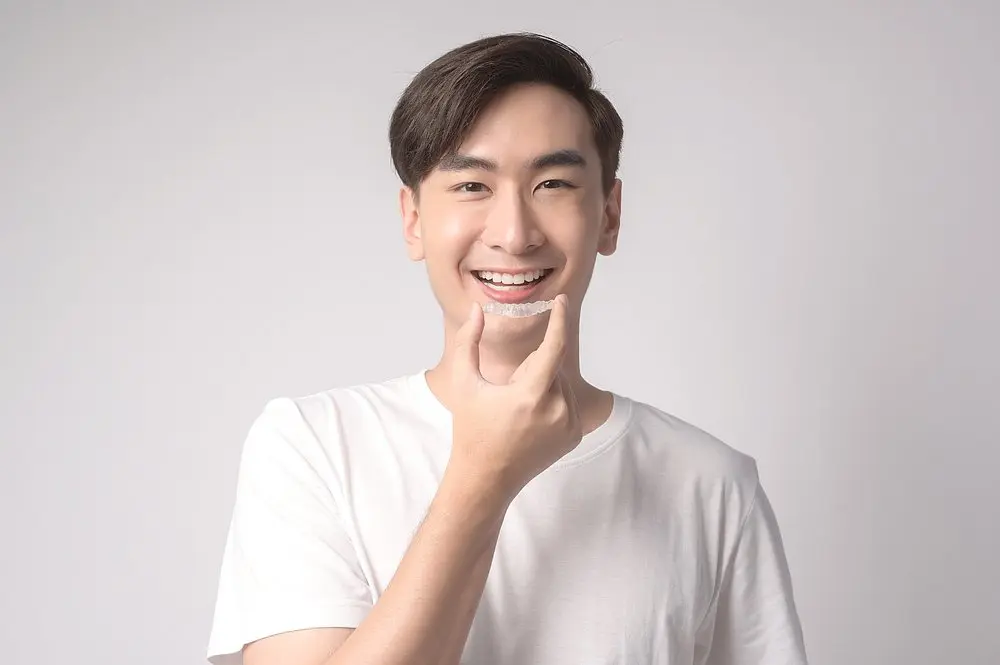
Smiling man pointing to teeth while holding Invisalign aligner – can Invisalign fix overbite in Sunnyvale, TX.

What Is an Overbite?

An overbite means the top teeth sit too far over the bottom teeth. A slight overbite is normal. A deep overbite can cause bite problems. It can lead to:

  • Jaw pain or discomfort
  • Trouble biting and chewing
  • Teeth that chip, crack, or wear down
  • Gum issues and more risk of decay
  • Speech challenges, like slight lisps or unclear sounds

As time goes on, a deep overbite may cause malocclusion. Malocclusion is a misaligned bite. It can change jaw movement and strain the jaw. Early evaluation helps prevent more harm and makes overbite correction easier.

Why Many Patients Choose Invisalign

  • Aesthetics: Clear aligners are hard to see. You can smile with ease.
  • Comfort: No sharp brackets or wires. Less mouth irritation.
  • Oral hygiene: Remove aligners for brushing and flossing. Cleaning is simple.
  • Convenience: Fewer office visits and quick checks.
  • Customization: Each Invisalign tray is made for your mouth and your goals.

These features fit active lives in Sunnyvale. School, work, events—Invisalign fits in.

How Invisalign Helps With Overbite Correction

Invisalign does more than straighten teeth. It guides the bite, too. Here is the treatment process at Smile City Orthodontics:

  1. Consultation and Evaluation
    • We review your health and dental history.
    • We study your teeth, bite alignment, and jaw positioning.
    • We talk through your goals and treatment options.
  2. 3D Imaging and Scans
    • We take x-rays and 3d imaging.
    • Scans show tooth roots, jaw structure, and bite misalignment.
    • These tools help plan safe, precise tooth movement.
  3. Personalized Treatment Plan
    • We map each step to meet your treatment requirements.
    • We set clear treatment goals and a realistic treatment timeline.
    • You will see likely results before you start.
  4. Custom Aligners and Bite Aids
    • Your aligners are made to fit your teeth closely.
    • Each set moves teeth a small amount.
    • Some cases use bite turbos. These small ramps help reduce a deep bite.
    • We may add elastics or other bite correctors to guide jaw movement.
  5. Wear Time and Compliance
    • Wear aligners 20–22 hours per day.
    • Take them out only for eating, drinking (water is fine), and cleaning.
    • Good compliance speeds progress and supports better results.
  6. Progress and Adjustments
    • Switch to a new set every 1–2 weeks.
    • Come in every 6–10 weeks for progress checks.
    • We make adjustments if needed to keep you on track.

This careful plan supports function and aesthetics. It protects teeth and improves your smile.

Daily Life With Aligners

  • Eating: Remove aligners to eat. This protects them and helps oral hygiene.
  • Cleaning: Rinse with cool water. Use a soft brush if advised. Avoid hot water.
  • Speech: You may notice a slight change at first. Most people adapt in a few days.
  • Sports and music: Aligners are low profile. They fit most daily needs.
  • Travel: Keep a case with you. Pack your next set if you will be away.

Small habits add up to a smooth treatment experience.

How Long Does Invisalign Take?

Most patients finish in 6 to 18 months. Your time may vary. It depends on:

  • Severity: Deeper overbites or complex malocclusion may take longer.
  • Treatment complexity: Crowding, tooth spacing, and root angles can affect pace.
  • Compliance: Strong wear time and on-time changes help a lot.
  • Adjustments: Small mid-course changes can refine the bite for better outcomes.

We review your timeline during the consultation. We check progress and refine as needed.

Invisalign vs. Braces and Other Treatment Options

  • Invisalign
    • Good for many mild to moderate overbites.
    • Removable, clear, and easier for oral hygiene.
    • Great for aesthetics and daily comfort.
  • Braces
    • Useful for severe cases or complex bite misalignment.
    • Offer full control for tough tooth movements.
  • Hybrid plans
    • Some cases use short braces, then aligners.
    • Some use elastics, bite turbos, or other bite correctors with aligners.

At Smile City Orthodontics, we guide you to the best path. We match treatment options to your goals, your needs, and jaw growth stage when treating teens.

Costs, Insurance Coverage, and Financing Options

Invisalign costs often range from $3,000 to $8,000. Your fee depends on the treatment timeline and treatment complexity. After your evaluation, we give a clear estimate.

We help you manage costs with:

  • Flexible financing options and monthly plans
  • Support with insurance coverage and claims
  • HSA/FSA guidance when eligible

We believe in clear fees and no surprises. Ask about phased payments and refinements, too.

Oral Hygiene Tips During Invisalign Treatment

  • Brush after meals before placing aligners back in.
  • Floss once a day to protect gums and teeth.
  • Clean aligners with cool water and mild, clear soap if advised.
  • Keep aligners in the case when not worn.
  • Avoid hot drinks with aligners in, which can warp plastic.

These steps protect your aligners and your treatment outcomes.

Retention: Keep Your Results for the Long Term

When your case is complete, retainers hold your teeth in place. This is called retention. Without it, teeth can drift back.

  • Wear retainers full-time at first, then move to night wear as directed.
  • Clean retainers as you did aligners.
  • Come to yearly checks to protect results.

According to Dr. Sam Elkenawy, a top orthodontist in Houston, TX, skipping retainers is the most common cause of relapse after deep‑bite correction.So, a strong aftercare plan keeps your bite correction stable for years.

Is Invisalign Right for You?

Invisalign works well for many overbite cases. It can guide teeth alignment and bite alignment while you live your life. If your case is severe, or if jaw movement needs are high, braces or a hybrid plan may be best. We will explain each path, the treatment requirements, and the likely results.

The key is a plan that matches your needs, your schedule, and your goals.

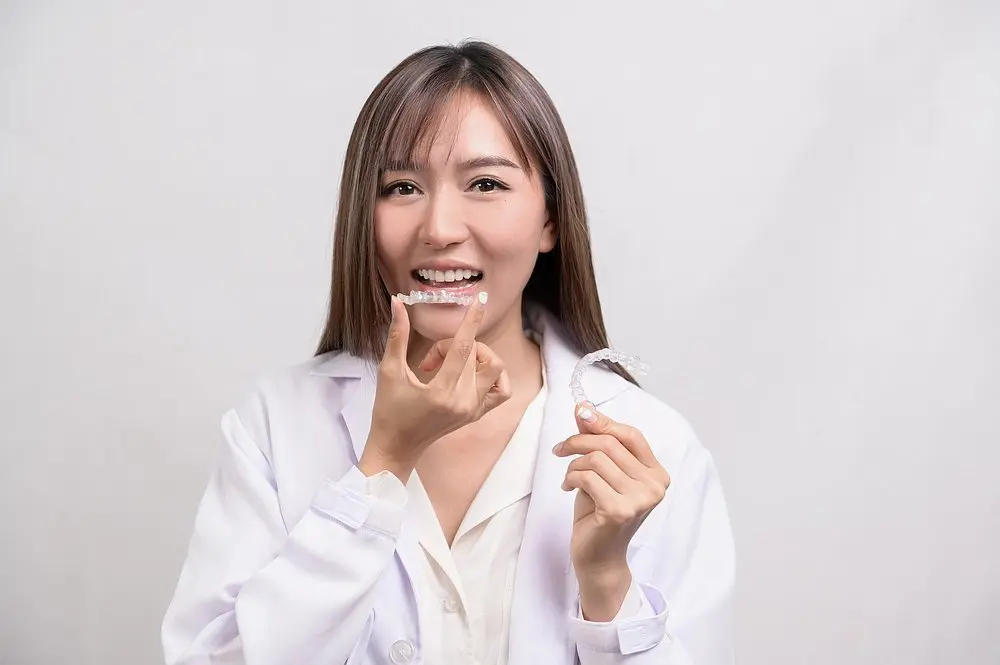
Confident woman demonstrating Invisalign aligner – can Invisalign fix overbite in Sunnyvale, TX.

What to Expect at Smile City Orthodontics

  1. First Appointment
    • Meet the team and share your goals.
    • Exam, x-rays, and 3d imaging.
    • We assess teeth alignment, bite alignment, and jaw positioning.
  2. Plan and Preview
    • We build your personalized treatment plan.
    • You will see a digital preview of your smile transformation.
    • We explain wear time, compliance, and check-in dates.
  3. Start Your Aligners
    • You get your first sets and your care kit.
    • We teach you how to place and remove each Invisalign tray.
    • We review eating and cleaning tips.
  4. Progress Monitoring
    • Quick check-ins keep your case on track.
    • We review progress and make adjustments as needed.
    • We celebrate wins as your smile improves.

Start Your Invisalign Journey in Sunnyvale

Ready for overbite correction and a smile you love? Smile City Orthodontics in Sunnyvale, TX, is here to help. Book a consultation for your evaluation. We will design a clear, custom treatment plan, guide each step of the treatment process, and support you at every appointment. With steady wear and good care, Invisalign can deliver a true smile transformation.

Your next step is simple: schedule your consultation today. A healthier bite and a brighter smile are within reach.

Frequently Asked Questions

Can Invisalign completely fix an overbite?

Invisalign has come a long way and can now tackle a variety of dental issues, including overbites. But, it’s important to remember that every smile is unique, and the effectiveness can depend on how severe your overbite is. For mild to moderate cases, Invisalign can work wonders, gradually shifting your teeth into the perfect position. But for more complex overbites, your orthodontist might recommend combining Invisalign with other treatments.

Does fixing an overbite with Invisalign change face shape?

So, you’re wondering if Invisalign can change your face shape while fixing an overbite? Well, the short answer is yes, it can! When you correct an overbite, it often leads to subtle changes in your facial structure. Your jaw might shift slightly, and your profile could become more balanced.

What age is too late to fix overbite with Invisalign?

When it comes to fixing an overbite with Invisalign, there’s really no such thing as being ‘too old.’ While it’s true that treatment might be a bit easier and quicker when you’re younger, plenty of adults have successfully corrected their overbites with Invisalign well into their 50s, 60s, and even beyond! Your teeth can still be moved at any age, as long as they’re healthy.

Braces for Overbite in Sunnyvale, TX

If you’re searching for “Braces for Overbite in Sunnyvale, TX,” you’ve come to the right place! Braces are an excellent way to fix overbites and give you a healthier, balanced smile. These amazing devices slowly move your teeth and jaw into the correct position.

At Smile City Orthodontics, we specialize in overbite correction. Whether you need traditional metal braces, ceramic braces, or clear aligners, we’ll create the perfect treatment plan for you.

Understanding Overbites and Their Impact

What Is an Overbite?

An overbite happens when the top front teeth overlap the bottom front teeth too much. A small overlap is okay. It protects your teeth. But if the overbite is large, it can cause dental problems. Sometimes, it even changes how your face looks.

Common Causes of Overbites

Here are the main reasons people get overbites:

  • Inherited Traits: Your jaw size, tooth shape, and bite pattern can run in your family.
  • Childhood Habits: Thumb-sucking, extended pacifier use, or tongue thrusting can create bite problems.
  • Jaw or Tooth Alignment Issues: Uneven growth of the upper and lower jaw leads to overbites.

Overbites are one of the most common orthodontic concerns in Sunnyvale, TX, treated regularly at orthodontic clinics like Smile City Orthodontics.

Benefits of Overbite Correction

Fixing overbites is about more than just looks. Here are some long-term benefits:

  • Healthier Teeth: Proper bite alignment stops enamel wear and prevents cavities or cracks.
  • Reduced Jaw Pain: Improving jaw alignment relieves pressure and reduces TMJ pain.
  • Increased Confidence: A beautiful, even smile can make you feel better about yourself!
Smiling teenage boy with braces, showcasing progress in orthodontic braces for overbite in sunnyvale, tx.

Effects of Untreated Overbites

Leaving an overbite untreated can cause:

  • Worn or Damaged Teeth: Your teeth may wear down, chip, or crack from constant friction.
  • Jaw Pain: Poor bite alignment puts stress on the jaw joints, causing discomfort over time.
  • Speech Problems: A severe overbite can make it harder to speak certain words or sounds.
  • Chewing Difficulties: When your teeth don’t align, chewing becomes less effective.
  • Low Self-Confidence: Teeth that stick out or are misaligned may make you feel self-conscious.

The Treatment Process at Smile City Orthodontics

Step 1: Your Initial Consultation

Fixing an overbite starts with a detailed evaluation. At Smile City Orthodontics, we use advanced tools like 3D scans and X-rays. This gives our orthodontists a clear picture of your teeth and jaw alignment.

Each patient gets a custom treatment plan based on their specific needs. We also offer flexible payment plans and work with insurance to make braces affordable for families in Sunnyvale.

Step 2: The Treatment Timeline

The time needed to treat an overbite varies for every patient. Here’s a general timeline:

  • Months 1-3: Braces are placed to begin the realignment process.
  • Months 6-12: Visible changes start happening as your teeth shift into better positions.
  • Months 12-24: Final adjustments fine-tune your results, ensuring long-term success.

Patients have adjustment visits every 6-8 weeks. These ensure proper progress, tighten the braces, and address any issues.

How Braces Correct Overbites

Braces fix overbites by gradually moving your teeth and jaw into place. Here’s how they work:

  1. Brackets and Wires: Brackets are attached to your teeth and connected with a wire to guide them into the correct position.
  2. Elastics (Rubber Bands): Rubber bands connect the braces to adjust your bite alignment and jaw positioning.
  3. Temporary Bite Devices: Bite turbos or blocks are sometimes added to prevent your upper teeth from overlapping too much.

Dr. Samantha Farr, an experienced orthodontist in Georgetown, TX, notes that elastics and bite turbos play an essential role in achieving a balanced, functional bite that improves both aesthetics and oral health. This process not only corrects the overbite but also improves overall jaw alignment for better functionality.

Types of Braces Available in Sunnyvale

At Smile City Orthodontics, you can choose from different types of braces:

  • Metal Braces: Strong and affordable, these are a great option for kids and adults alike.
  • Ceramic Braces: These tooth-colored brackets blend in with your teeth, offering a more discreet look.
  • Invisalign: A clear and removable option that’s nearly invisible. Invisalign is ideal for mild to moderate overbites.

Adjusting to Braces in Sunnyvale

Diet Modifications

Eating the right foods protects your braces and prevents discomfort.

  • Avoid: Hard snacks (like popcorn), sticky candies (like caramel), and anything you need to bite into (like apples—cut them up instead!).
  • Stick to Soft Foods: Yogurt, smoothies, pasta, soups, and mashed potatoes are all good choices.

Braces Cleaning Tips

Good oral hygiene is essential while wearing braces. Use these tools to remove food debris:

  • Floss Threaders: Help you floss between wires.
  • Water Flossers: Spray water to clear stuck particles.
  • Interdental Brushes: Clean tight gaps near braces brackets.

What to Do in Emergencies

If a wire breaks or gets loose, Smile City Orthodontics provides same-day repairs to keep your treatment on track.

Post-Treatment Care

After braces come off, you’ll need to wear a retainer to keep your teeth from shifting. Here are the common types:

  • Hawley Retainers: Adjustable and long-lasting.
  • Fixed Retainers: Cemented behind the teeth for extra stability.
  • Clear Retainers: These lightweight, invisible options are popular for ease and discretion.
Close-up of a relaxed woman in a dental chair during her braces for overbite in sunnyvale, tx treatment.

Why Choose Smile City Orthodontics?

At Smile City Orthodontics, we pride ourselves on personalized care and cutting-edge technology. By combining years of expertise with friendly service, we’re dedicated to helping patients across Sunnyvale achieve their dream smiles.

Schedule Your Consultation

Are you ready to fix your overbite and take the first step toward your best smile? Call Smile City Orthodontics or visit our website to book your consultation.

We proudly serve families in Sunnyvale with flexible appointment times to fit your busy schedule. Whether you’re a teenager or an adult, we’re here to help every step of the way!

About The Authors

Dr. Samantha Farr – Orthodontist in Georgetown, TX

Dr. Jeryn Jacob – Orthodontist in Sunnyvale, TX

Frequently Asked Questions

Will insurance cover braces for an overbite?

Yes, many dental plans offer partial coverage for braces used to treat overbites. Whether coverage applies depends on the medical necessity and your provider’s rules. Orthodontists can help determine if your condition qualifies. It’s important to review your plan and submit any required documentation early.

What does a severe overbite look like?

A severe overbite is when the upper front teeth dramatically overlap the lower front teeth. It’s often visible in your profile and smile. You might also notice that the chin appears to be set back, giving their face a slightly different profile. When they smile, you’ll see a lot more of their upper teeth than their lower teeth. It’s not just about looks, though – a severe overbite can make it tricky to bite into foods or pronounce certain words clearly. This type of bite can put extra pressure on the jaw and teeth. It may also affect speech, chewing, and self-esteem.

Does fixing my overbite change face shape?

Yes, orthodontic treatment for overbite correction can change face shape noticeably. When the bite is realigned, it enhances facial proportions. The chin and jawline become more defined. This transformation is often subtle but significant over time.

Reverse Pull Headgear Braces in Sunnyvale, TX

Reverse pull headgear braces in Sunnyvale, TX are an effective way to correct underbites and improve jaw alignment. These braces work by gently pulling the upper jaw forward, allowing it to align properly with the lower jaw. For families in Sunnyvale, this orthodontic treatment can create healthier, more confident smiles for children and teens. Let’s explore how this orthodontic solution works and why it might be right for your child!

What Are Reverse Pull Headgear Braces?

Reverse pull headgear is a special orthodontic device designed to fix underbites. An underbite occurs when the lower teeth stick out farther than the upper teeth, which can affect chewing, speaking, and confidence.

This orthodontic treatment is most effective for children and teens, as their jaws are still growing and easier to adjust. The headgear gently pulls the upper jaw forward to improve its alignment with the lower jaw. This not only fixes the bite but also helps balance the overall structure of the face.

Common Benefits:

  • Aligns upper and lower jaws.
  • Improves chewing and speech.
  • Enhances facial symmetry and confidence.
  • Prevents long-term dental and jaw joint problems.

How Do Reverse Pull Headgear Braces Work?

Reverse pull headgear uses consistent but gentle force to correct jaw alignment. The process is straightforward and comfortable for most patients.

Steps in the Treatment:

  1. Face Mask and Attachments:
    The headgear includes a lightweight face mask that fits securely outside the mouth. It connects to braces or dental appliances inside the mouth.
  2. Gentle, Steady Pressure:
    The headgear applies light pressure to move the upper jaw forward over time.
  3. Daily Use:
    To be effective, the headgear should be worn for several hours daily. Most patients wear it in the evening or while sleeping, so it doesn’t interfere with school or activities.

Each headgear is customized for the patient to ensure comfort and optimal results.

Types of Orthodontic Headgear

Reverse pull headgear is made for fixing underbites. But there are other types of headgear for different bite problems:

1. Cervical Pull Headgear

  • What It Does: Corrects overbites by guiding the upper teeth and jaw backward.
  • How It Works: A strap around the neck applies pressure to the upper braces.

2. High-Pull Headgear

  • What It Does: Controls the growth of the upper jaw for patients whose upper teeth or jaw are too far forward.
  • How It Works: Straps placed at the back of the head create upward pressure.

Your orthodontist at Smile City Orthodontics will determine which type of headgear best fits your child’s needs.

Benefits of Reverse Pull Headgear Braces

This headgear helps in many ways, especially for kids with underbites.

Key Advantages:

  1. Corrects Underbites:
    Helps the upper jaw catch up with the lower jaw, ensuring teeth fit together properly.
  2. Encourages Proper Growth:
    It helps guide the upper jaw to grow forward, reducing the risk of future issues.
  3. Improves Functionality:
    Aligning the jaw improves biting, chewing, and speaking.
  4. Improves Looks:
    It helps balance the face and makes your smile look better.
  5. Prevents Future Issues:
    Fixing an underbite early can stop problems later. It helps prevent uneven tooth wear, gum disease, or jaw pain (TMJ).
  6. Non-Surgical Option:
    For kids still growing, this headgear is a safe and non-surgical way to fix jaw issues. It’s less risky than surgery.

Why Choose Reverse Pull Headgear Braces in Sunnyvale, TX?

If you’re considering reverse pull headgear braces in Sunnyvale, TX, you’re already making a smart decision for your child’s oral health. Early intervention is key. As children’s jaws are still growing, this orthodontic treatment is successful in preventing more complex problems in the future.

Correct jaw alignment can improve long-term oral health and boost your child’s confidence. It’s a great investment in their beautiful smile and overall well-being.

How Much Do Reverse Pull Headgear Braces Cost?

The cost of reverse pull headgear braces in Sunnyvale, TX, varies based on several factors, including the complexity of the treatment and your individual needs.

  • Severity of the Case: More severe underbites may require longer treatment times.
  • Treatment Duration: Most treatments last between 9–12 months.
  • Insurance Coverage: Many dental insurance plans cover some or all of the cost of orthodontic treatments.

At Smile City Orthodontics, we offer affordable financing plans to make treatment easier on your budget.

How to Wear Orthodontic Headgear

Follow these steps to ensure you’re wearing your orthodontic headgear correctly and comfortably.

1. Preparing Your Headgear

  1. Ensure your headgear is clean and free from any damage.
  2. Gather all necessary components: facebow, head cap, and straps or elastics.

2. Putting on the Facebow

  1. Hold the facebow by the outer arms, ensuring the inner bow is pointing towards your mouth.
  2. Gently insert the inner bow into the buccal tubes on your molar bands.
  3. Ensure the facebow is centered and feels comfortable.

3. Securing the Head Cap

  1. Place the head cap over your head, aligning it with your facebow.
  2. Adjust the head cap so it sits comfortably on your head.

4. Attaching the Straps or Elastics

  1. Connect the straps or elastics to the outer arms of the facebow.
  2. Adjust the tension according to your orthodontist’s instructions.

Tips for Comfort and Care

  • Consistency: Wear your headgear for the recommended number of hours each day.
  • Hygiene: Clean your headgear regularly to prevent bacteria buildup.
  • Communication: If you experience discomfort, contact your orthodontist for adjustments.

Lifestyle Changes When Wearing Orthodontic Headgear

Incorporating orthodontic headgear into your daily routine requires some changes. Here are some tips to help you adjust smoothly.

Morning Routine

  1. Start your day by carefully removing your headgear as instructed by your orthodontist.
  2. Brush your teeth thoroughly, ensuring all areas are clean before reattaching your headgear.
  3. Plan your breakfast around your headgear schedule, opting for softer foods if necessary.

Evening Routine

  1. Before bedtime, ensure your headgear is properly fitted and secure.
  2. Brush and floss your teeth to maintain oral hygiene.
  3. Relax and unwind, allowing your body to adjust to wearing the headgear overnight.

Dietary Considerations

Wearing orthodontic headgear may require some dietary adjustments to ensure comfort and effectiveness.

Foods to Avoid

  • Sticky or chewy foods like gum and caramel
  • Hard foods such as nuts and hard candies
  • Crunchy foods like popcorn and chips
  • Soft fruits like bananas and berries
  • Cooked vegetables
  • Yogurt and smoothies
  • Soft grains like oatmeal

Social and Emotional Considerations

Adjusting to wearing headgear can be challenging socially and emotionally. Here are some tips to help you cope.

Building Confidence

  • Remember the end goal: a healthier, more beautiful smile.
  • Practice speaking with your headgear to improve clarity and confidence.
  • Surround yourself with supportive friends and family.

Dealing with Reactions

  • Educate others about the purpose and benefits of your headgear.
  • Maintain a positive attitude and sense of humor.
  • Focus on your progress and personal growth.

Why Choose Smile City Orthodontics in Sunnyvale, TX?

At Smile City Orthodontics, we’re dedicated to helping patients achieve healthy, beautiful smiles. Families in Sunnyvale trust us for expert care and tailored treatments.

What Makes Us Different:

  1. Skilled Orthodontists:
    Our team has many years of experience helping kids and teens with jaw problems.
  2. Customized Treatment Plans:
    Every patient gets a plan designed just for them. We focus on effective, personalized care.
  3. Friendly, Supportive Team:
    We’re here to guide you every step of the way. From the first consultation to the final adjustment, your comfort and questions matter to us.
  4. More Treatment Choices:
    We also offer metal braces, Invisalign, and ceramic braces along with reverse pull headgear.

Families outside Sunnyvale seeking professional advice for similar treatments can consult with Dr. Tate Chauncey, a trusted orthodontist in Henderson, NV, known for offering tailored orthodontic solutions

What to Expect During Your Consultation

Wondering if reverse pull headgear is right for your child? Schedule a free consultation at Smile City Orthodontics. During the visit, our team will:

  • Evaluate Your Child’s Teeth and Jaw Alignment to determine the best treatment.
  • Explain Treatment Options, including how reverse pull headgear works.
  • Provide a Cost Estimate and discuss payment plans.

Call Us Today!

Smile City Orthodontics is proud to offer reverse pull headgear braces in Sunnyvale, TX. If your child has an underbite, we can help. Schedule a free consultation today by calling us or visiting our website.

Let’s work together to create the healthy, confident smile your child deserves!

About the Authors

Dr. Jeryn Jacob – Orthodontist in Sunnyvale, TX

Dr. Tate Chauncey – Orthodontist in Henderson, NV

Frequently Asked Questions

What is the success rate of reverse pull headgear?

The success of reverse-pull headgear depends on your child’s age and how bad the underbite is. It works best for young patients whose bones are still growing. When used as directed, it has a high success rate. It’s important to follow your orthodontist’s instructions closely to achieve the best results. Many patients and parents find that with a little patience and dedication, the improvements can be quite remarkable!

How long does it take for reverse-pull headgear to work?

Wondering how long it takes? Most patients see good results in 6 to 12 months with regular use. Of course, this can vary depending on individual cases and how consistently the headgear is worn. It’s important to follow your orthodontist’s instructions and wear it as recommended to achieve the best results. Patience is key, and before you know it, you’ll start noticing the improvements!

Hybrid Treatment

Smile City Orthodontics

Orthodontic Hybrid Treatment in Sunnyvale

For many patients who really prefer to avoid longer months of treatment in braces, HYBRID treatment is a great option that Smile City Orthodontics in Sunnyvale offer. Orthodontic hybrid treatment in Sunnyvale combines the use of braces and Invisalign.

What to Expect:

However, for the first couple of months, braces quickly alleviate crowding, align teeth, and de-rotate severely rotated teeth. Essentially all the heavy lifting is done by braces. Plus, after we remove the braces, the rest of the tooth movements such as finishing and detailing are done by Invisalign.

WHAT IS THE BENEFIT OF HYBRID TREATMENT?

The main benefit of orthodontic hybrid treatment in Sunnyvale is addressing the problem faster with braces initially. However, the same tooth movement with Invisalign may take longer and thus take longer treatment time. This is a great option for patients who were not candidates for Invisalign treatment due to the severity of the problem. For e.g a severely rotated tooth may not de-rotate using Invisalign as well as braces. Braces will de-rotate the tooth and we will then digitally scan your teeth to obtain your sets of Invisalign.

Three young women smile and take a selfie outdoors in a sunlit, urban setting with historic buildings, close to Smile City Orthodontics in Sunnyvale, TX.

Hybrid Treatment at Smile City Orthodontics

AM I A CANDIDATE FOR Orthodontic HYBRID TREATMENT in Sunnyvale?

At Smile City Orthodontics, we believe that everyone deserves a smile. During our consultation, Dr. Jacob will go over pros/cons of all treatment options and offer Hybrid treatment if you are a suitable candidate. We believe in tailoring our treatment plans based on patient needs and its a personalized approach to each individual.

Please schedule an appointment at Smile City Orthodontics to learn more about the Hybrid treatment.

Smile City Orthodontics

Phase 2 Treatment in Sunnyvale and Mesquite

Phase 2 Treatment Sunnyvale

What Is Phase 2 Treatment?

Phase 2 Treatment is the second stage of a two-phase orthodontic approach. We typically recommend it for children who have finished Phase 1 Treatment or for older patients needing complete correction of dental or jaw issues. While Phase 1 usually begins at a younger age and focuses on addressing early skeletal or dental issues, Phase 2 Treatment concentrates on perfecting the alignment of teeth and ensuring proper function.

This stage takes place after all or most of the permanent teeth have erupted, and it aims to correct issues such as crooked teeth, bite misalignments (overbites, underbites, crossbites), and jaw irregularities. Phase 2 typically involves full braces or clear aligners that slowly adjust teeth into their proper positions. The ultimate goal of this treatment phase is to provide straight, beautiful teeth that improve oral health and self-confidence while preventing potential problems in the future.


CONTACT US

How Can Phase 2 Treatment Help Improve Your Teeth and Confidence?

Teeth alignment is closely tied to oral health and self-esteem. Phase 2 Treatment in Sunnyvale and Mesquite doesn’t just create more attractive smiles—it also supports long-term dental health by correcting misalignments that can lead to more serious issues like enamel wear, gum disease, or TMJ disorders. Straight, well-aligned teeth are easier to clean, reducing the risk of dental decay and promoting healthier gums.

Beyond physical improvements, the transformation during Phase 2 Treatment can boost confidence. For children or teens, this period can be transformative. Crooked or crowded teeth often lead to insecurities, but with straight teeth and a functional bite, patients are better equipped to face social and professional opportunities with confidence. Through Phase 2 Treatment, Dr. Jacob and the Smile City Orthodontics team help patients build a foundation for both oral health and self-assured smiles.

Potential Complications of Skipping Phase 2 Treatment

Neglecting Phase 2 Treatment could lead to a variety of long-term oral health issues that may impact both function and appearance. Without completing this crucial stage, teeth may become severely misaligned, leading to problems like bite irregularities, jaw pain, and difficulty chewing or speaking. Over time, untreated orthodontic concerns can contribute to excessive wear on certain teeth, increasing the risk of fractures or enamel erosion.

Additionally, improper alignment can make it more challenging to maintain proper oral hygiene, which may result in a higher risk of cavities, gum disease, or other oral health complications. Ignoring recommended treatment can also lead to the need for more invasive – and often more costly – corrective measures in the future. By addressing these issues early through Phase 2 Treatment, patients can prevent these potential risks and enjoy a healthier, more confident smile in the years to come.

The Common Phase 2 Treatment Process

Understanding what to expect when undergoing Phase 2 Treatment can help patients and their families feel more prepared. Below is an overview of the standard procedure steps associated with Phase 2 Treatment in Sunnyvale and Mesquite:

  • Initial Consultation and Evaluation

The process begins with a thorough examination by Dr. Jacob and the orthodontic team. This often involves dental X-rays, photographs, and impressions of the teeth to assess alignment, bite issues, and overall dental health.

  • Customized Treatment Plan

Every smile is unique, and so are the treatment plans. Based on the evaluation, Dr. Jacob will design a personalized treatment plan tailored to meet the patient’s needs. The plan may include braces, clear aligners such as Invisalign®, or other tools to correct alignment and bite issues effectively.

  • Placement of Braces or Clear Aligners

For patients opting for braces, bonding brackets to the teeth and placing archwires starts the alignment process. If aligners are chosen, they will be custom-made to fit snugly over the teeth. These systems work by applying gentle, consistent pressure to guide the teeth into their correct positions over time.

  • Regular Adjustments

Throughout the treatment, patients will visit the orthodontist regularly for adjustments or to switch to the next set of aligners. These visits keep your progress on track and address any comfort or fitting issues promptly.

  • Completion and Retention

Once you complete treatment, we remove the braces, and aligner therapy concludes. Patients receive retainers to keep teeth in place while surrounding tissues settle into their new positions.

Caring for Your Teeth During Phase 2 Treatment

Proper care during Phase 2 Treatment is essential for optimal results and oral health. Caring for your teeth and appliances keeps your treatment on track and your smile healthy.

  • Maintain Excellent Oral Hygiene

Brushing and flossing are crucial to prevent plaque buildup and cavities, whether you have braces or are using aligners. Brush around the brackets and wires thoroughly with a soft-bristled toothbrush and fluoride toothpaste, or remove your aligners before brushing.

  • Follow Dietary Guidelines

Certain foods, like sticky candies, hard nuts, or sugary drinks, can damage braces or contribute to tooth decay. Avoid these foods to protect your appliances and teeth. For aligner users, remember to remove your trays before eating or drinking anything other than water.

  • Attend Regular Checkups

Consistent visits to Smile City Orthodontics are essential for tracking progress. These checkups allow Dr. Jacob to make necessary adjustments and ensure that everything is proceeding smoothly.

  • Use Orthodontic Tools

Special tools like interdental brushes, floss threaders, or water flossers can make cleaning around braces much easier and more effective. Use these tools to ensure your teeth stay clean and healthy.

  • Wear Your Retainer After Treatment

Once your braces are removed or your aligner treatment is complete, wearing your retainer as instructed will prevent your teeth from shifting back to their original positions. Retainers are vital for protecting the progress you’ve made during the treatment.

Trust Smile City Orthodontics with Your Phase 2 Treatment in Sunnyvale or Mesquite

If you or your child need Phase 2 Treatment in Sunnyvale or Mesquite, look no further than Smile City Orthodontics. Led by the experienced and compassionate Dr. Jacob, our practice is dedicated to providing personalized care in a welcoming environment. Dr. Jacob has years of experience creating healthy, confident smiles and is dedicated to helping each patient achieve their goals with comfort and professionalism. Whether you need Phase 2 Treatment or any other Orthodontic service, such as space maintainers or any other orthodontic treatment, Smile City Orthodontics has you covered.

Schedule your consultation with Smile City Orthodontics today and take the first step toward a lifetime of healthy, vibrant smiles. We combine cutting-edge technology with a warm, patient-centered approach to ensure that every visit is a positive and empowering experience. Together, we can make your dream smile a reality! Contact us today!

Phase 1 Treatment in Sunnyvale

Phase 1 Treatment Sunnyvale

Phase 1 Treatment in Sunnyvale

Smile City Orthodontics offers expert Phase 1 treatment in Sunnyvale for children who need early intervention to ensure a healthy, beautiful smile. Our experienced orthodontist, Dr. Jacob specializes in providing comprehensive care for kids and families. 

If you need Phase 1 treatment in Sunnyvale, we can guide you through the process, from the initial consultation to the completion of treatment. Early intervention plays a crucial role in achieving optimal dental health, and we are here to help you every step of the way.


CONTACT US

What is Phase 1 Treatment in Orthodontics?

Phase 1 treatment in Sunnyvale refers to early orthodontic intervention typically recommended for children between the ages of six and ten. The goal of Phase 1 treatment is to address potential dental and skeletal problems before the permanent teeth come in. By correcting issues early, Phase 1 treatment can prevent more severe orthodontic problems from developing later on.

Some common conditions that may require Phase 1 treatment include:

Severe crowding or spacing issues: When there isn’t sufficient space in the mouth for the teeth to emerge properly, it can lead to severe crowding or significant gaps between teeth. These alignment issues can make it difficult to clean teeth properly, increasing the risk of decay, and can also impact the bite and overall appearance of the smile.

Crossbites: A crossbite occurs when the upper teeth sit inside the lower teeth, either at the front or along the sides of the mouth. If left untreated, this misalignment can cause uneven wear on the teeth, difficulty chewing, and even jaw pain or headaches.

Overbite or underbite: An overbite happens when the upper teeth extend too far over the lower teeth, while an underbite occurs when the lower teeth protrude beyond the upper teeth. Both conditions can affect bite function, cause difficulty chewing, and lead to excessive wear on the teeth, potentially causing jaw issues.

Thumb-sucking or other oral habits: Prolonged thumb-sucking or habits like nail-biting can interfere with the natural development of the teeth and jaws. These habits can lead to teeth misalignment, affect jaw growth, and create problems like an open bite or abnormal tooth eruption patterns.

Addressing these issues when children are young can help guide their teeth and jaws into proper positions and set the foundation for a healthier, more functional smile.

Who Needs Phase 1 Treatment in Sunnyvale?

Dr. Jacob typically recommends Phase 1 treatment for children who show signs of developing significant orthodontic issues that could affect their dental health or facial development. Dr. Jacob evaluates each child individually to determine if early intervention is necessary. Early signs that a child may need Phase 1 treatment include:

  • Excessive crowding of the teeth or severe misalignment
  • Baby teeth that aren’t falling out on schedule
  • Difficulty chewing or biting due to misaligned teeth
  • Difficulty with speech due to dental issues
  • A noticeable overbite, underbite, or crossbite

It’s important to note that not all children need Phase 1 treatment. Sometimes, we recommend waiting until the child’s permanent teeth erupt before beginning treatment.

Benefits of Phase 1 Treatment

Phase 1 treatment in Sunnyvale offers several benefits for the child and the long-term health of their teeth. Some key benefits include:

  1. Preventing more serious dental issues later – Early treatment can prevent the need for more invasive procedures in the future.
  2. Guiding jaw growth – Phase 1 treatment can help correct skeletal issues by guiding the development of the jaw.
  3. Creating space for adult teeth – If a child has crowded teeth, Phase 1 treatment can make the necessary space for the permanent teeth to come in properly.
  4. Improving facial appearance – Phase 1 treatment can enhance facial symmetry and profile by correcting issues early.
  5. Improving oral health – Correcting misalignments and overcrowding helps with better oral hygiene and reduces the risk of tooth decay and gum disease.

If done while children are young, Phase 1 treatment sets a solid foundation for Phase 2 treatment when the child’s permanent teeth have fully erupted.

The Step-by-Step Process of Phase 1 Treatment

Phase 1 treatment in Sunnyvale at Smile City Orthodontics is straightforward and designed to be as comfortable as possible for both the child and the parent. Here’s what you can expect:

  1. Initial Consultation: Dr. Jacob will begin with a comprehensive evaluation of your child’s teeth, jaw, and bite. We may take X-rays or impressions to better see the developing teeth.
  2. Customized Treatment Plan: Dr. Jacob will develop a personalized treatment plan for your child based on the consultation findings. This plan will address any current issues and lay the groundwork for future treatments.
  3. Begin Phase 1 Treatment: Phase 1 treatment often involves using appliances such as braces, expanders, or other devices to correct misalignments and guide teeth and jaw development.
  4. Monitoring Progress: Throughout the Phase 1 treatment, we will monitor your child’s progress with regular check-ups. Dr. Jacob will make adjustments as needed to ensure the treatment progresses smoothly.
  5. Transition to Phase 2 (if needed): After Phase 1, we will wait for the permanent teeth to emerge. Phase 2 treatment may be necessary to complete the alignment and achieve the best results, typically involving traditional braces or Invisalign.

Your Smile Builder

Dr. Jacob is the experienced orthodontist at Smile City Orthodontics. He is dedicated to helping each patient achieve a beautiful, healthy smile. With years of experience and a commitment to using the latest orthodontic techniques, Dr. Jacob creates personalized treatment plans tailored to each patient’s needs. He is passionate about providing high-quality care in a comfortable and welcoming environment.

Dr. Jacob and his team focus on building lasting relationships with patients and their families. Using expertise, advanced technology, and compassion, Dr. Jacob ensures that every patient receives the best care possible at every stage of their orthodontic journey.

Advanced Orthodontic Technology

At Smile City Orthodontics, we believe in using the latest technology to enhance the precision and effectiveness of Phase 1 treatment in Sunnyvale and orthodontic care overall. Our state-of-the-art tools include:

  • 3D CBCT Scanners: Our 3D Cone Beam Computed Tomography (CBCT) scanner provides a detailed view of the teeth, jaw, and facial structures. This technology allows us to make precise diagnoses and treatment plans that are customized to your child’s unique needs.
  • 3D Printers: With our advanced 3D printing technology, we can create custom orthodontic appliances quickly and accurately. This ensures that your child’s treatment is both comfortable and effective.
  • 3D Scanners: Traditional impressions can be uncomfortable for children, but our 3D scanners provide a more comfortable and accurate alternative. The scanners capture highly detailed images of the teeth without the need for messy molds.

These technologies allow us to provide a more efficient and effective Phase 1 treatment experience while ensuring each patient’s highest level of care and comfort.

A Fun and Engaging Office

At Smile City Orthodontics, visiting the orthodontist should be a fun and positive experience for children. Our office is designed with kids in mind, featuring colorful decor, interactive games, and a welcoming environment that makes every visit feel like an exciting adventure. We strive to make each appointment enjoyable and stress-free, so your child feels comfortable and confident throughout treatment.

Our patients love the care they receive at Smile City Orthodontics! We encourage you to explore our Smile Gallery to see before-and-after photos of patients who have transformed their smiles with our treatments. We also invite you to read our patient reviews to learn more about the experiences of families who trust Dr. Jacob with their orthodontic care.

Schedule an Appointment with Us Today!

If your child needs Phase 1 treatment, schedule an appointment with Dr. Jacob at Smile City Orthodontics in Sunnyvale. We are committed to providing exceptional care and would be happy to discuss how your child can achieve a healthy, beautiful smile that will last a lifetime.