
Disclaimer: The Smile City Orthodontics Editorial Team reviewed this article. This article is for educational purposes only and is not a substitute for professional dental advice, diagnosis, or treatment. Consult a qualified orthodontist for personalized guidance.
Whether Invisalign is worth it depends on four things: how complex your bite and tooth position are, whether you can wear aligners 20 to 22 hours a day, what you want from treatment, and your budget. An orthodontic exam confirms whether clear aligners are right for your case.
Search “is Invisalign worth it” and you’ll find strong opinions on both sides. Some patients call clear aligners the best decision they made. Others wish they’d chosen braces. Both groups can be right, because the answer depends on the person, not the product.
This guide gives you a decision framework instead of a simple pros-and-cons list. You’ll see what aligners can and can’t correct, who makes a good Invisalign candidate, what daily life looks like, which alternatives exist, and how to weigh the money questions.
What Does “Worth It” Actually Mean? Five Questions to Ask Yourself
Value in orthodontics isn’t only about price. It’s the match between your teeth, your habits, and your goals. Five questions turn a vague feeling into a clear answer.
Is my case a good fit for clear aligners?
Aligners handle mild to moderate crowding, spacing, and many bite concerns well. Severe jaw discrepancies, heavily rotated teeth, or badly tilted teeth may need other tools. An orthodontist reviews your X-rays, digital scans, and bites to determine where you fall. Without that exam, any answer is a guess.
Can I commit to wearing aligners most of the day?
Invisalign works only while it’s in your mouth. Plan on 20 to 22 hours a day. Remove the trays to eat, drink anything except water, and clean your teeth. If you snack constantly or travel every week, say so at your consultation. Habits can be built, but be honest about where you start.
What matters more: speed, comfort, looks, or cost?
Rank them. If appearance and removability come first, aligners score high. If you want treatment that works without any daily decisions, fixed braces can be the better fit, since they can’t be left in a drawer. Knowing your top priority makes every trade-off easier.
Am I ready for the follow-through?
Teeth drift back without retainers. Retention is part of the real effort and cost of every option, aligners and braces alike. If you won’t wear a retainer, no appliance is worth the investment.
Are my teeth and gums healthy enough to start?
Treat cavities and gum disease before tooth movement begins. Moving teeth through inflamed gums can worsen bone loss. A checkup with your general dentist first is a smart step.
Does Invisalign Work? What Aligners Can and Cannot Correct
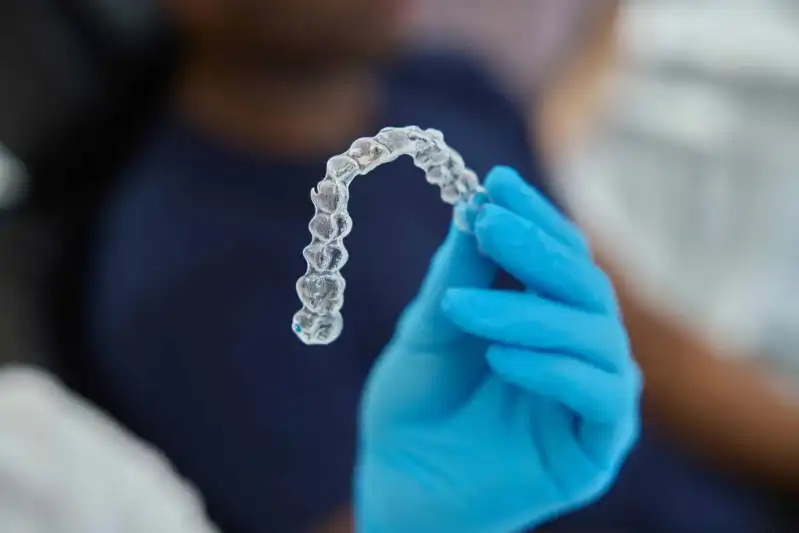
Short answer: yes, in the right case. Invisalign is a clear aligner system made by Align Technology. A series of custom trays, each one shifting teeth by small amounts, guides your teeth toward a digitally planned position. Orthodontists use it for crowding, gaps, crossbites, and many types of overbites.
Research adds useful nuance. An October 2025 systematic review of Invisalign outcomes found that tipping teeth sideways was the most accurate movement. Rotations, pushing teeth deeper into the bone (intrusion), and widening the arch were less precise. The same review found that digital progress-tracking tools can overestimate how far a tooth has actually moved.
| What you want to fix | Typical aligner outlook | What may be added |
| Mild to moderate crowding | Generally well suited | IPR, attachments |
| Gaps and spacing | Generally well suited | Retainers to hold the result |
| Mild to moderate overbite | Often treatable | Attachments, elastics, bite ramps |
| Crossbite | Depends on the case | Elastics or an expander |
| Open bite | Depends on the case | Attachments, careful planning |
| Severe rotations | Less predictable | Attachments, refinements or braces |
| Skeletal jaw mismatch | Often needs other treatment | Expanders, functional appliances, jaw surgery |
Overbite deserves a note because it’s one of the most common bite concerns adults and teens ask about. Aligners with bite ramps and elastics can reduce many overbites. The depth of the overbite and the position of the jaw decide whether aligners alone are enough. Results vary, and no orthodontist can guarantee one.
Who Is a Good Candidate for Invisalign?
A good Invisalign candidate has healthy teeth and gums, orthodontic concerns that can be effectively treated with clear aligners, and the commitment to wear them consistently. Invisalign can correct many types of crowded teeth, spacing, and bite problems. However, the best way to determine whether Invisalign is right for you is through a comprehensive orthodontic evaluation.
Signs You May Be a Good Invisalign Candidate
- Mild to moderate crowding, spacing, or certain bite problems
- Healthy teeth and gums without untreated dental concerns
- Willingness to wear Invisalign aligners for 20–22 hours daily
- Ability to attend scheduled orthodontic appointments and follow treatment instructions
- Preference for a discreet, removable alternative to traditional braces
- Commitment to maintaining good oral hygiene throughout treatment
When Might Braces Be a Better Option Than Invisalign?
Although Invisalign can successfully treat many orthodontic problems, traditional braces or additional orthodontic appliances may be more appropriate for certain cases, including:
- Complex tooth rotations or movements requiring precise control
- Significant skeletal jaw discrepancies
- Severe crowding requiring specialized orthodontic mechanics
- Difficulty consistently wearing removable aligners
- Cases requiring additional orthodontic appliances or surgical correction
The best orthodontic treatment depends on your individual needs, not simply whether Invisalign or braces are more convenient.
Is Invisalign Worth It for Adults and Teenagers?
Invisalign for Adults: Many adults prefer Invisalign because clear aligners are discreet and fit conveniently into professional and social activities. Adults with crowns, bridges, or a history of gum disease may still qualify for Invisalign, although additional treatment planning may be necessary.
Invisalign for Teens: Invisalign can also be an excellent option for teenagers who can consistently wear their aligners. Parents should consider whether their teen can responsibly manage aligner wear, cleaning, and storage. Invisalign for teens may also be available for selected younger patients with a combination of baby and permanent teeth.
At Smile City Orthodontics in Sunnyvale, TX, Dr. George Jeryn Jacob, a board-certified orthodontist, evaluates each patient’s orthodontic needs to determine whether Invisalign or traditional braces would provide the most appropriate treatment outcome.
What Is Daily Life Like With Invisalign?
One of the biggest advantages of Invisalign is the convenience of removable clear aligners. Unlike traditional braces, Invisalign allows patients to eat their favorite foods and maintain their regular brushing and flossing routines.
Most patients adjust to wearing Invisalign within the first week. Aligners should generally be worn 20–22 hours daily and removed when eating, drinking anything other than water, or cleaning your teeth. Depending on your treatment plan, aligners are typically changed every one to two weeks.
A few daily habits can help keep your Invisalign treatment on track:
- Store aligners properly: Always keep them in their protective case when not wearing them.
- Clean aligners daily: Use a soft toothbrush and lukewarm water. Avoid hot water, which can distort the plastic.
- Avoid eating or drinking with aligners: Remove them for meals, snacks, and beverages other than water.
- Maintain good oral hygiene: Brush and floss regularly before reinserting your aligners.
- Expect a short adjustment period: Some patients experience temporary speech changes or mild discomfort during the first few days.
How long does Invisalign take? Treatment duration depends on the complexity of your orthodontic needs. Some minor cases may be completed within several months, while comprehensive treatment commonly takes 12–24 months or longer. Additional aligners or refinements may be necessary to achieve the desired results.
Does Invisalign Hurt? What Most Patients Experience
Invisalign treatment may cause temporary pressure or mild tooth soreness, particularly when starting treatment or switching to a new set of aligners. Most patients find this discomfort manageable, and it typically improves within a few days.
What to Expect During Invisalign Treatment
- Days 1–2: Mild pressure or tightness after inserting a new set of aligners.
- Days 3–5: Tooth tenderness generally begins to improve as your teeth adjust.
- Later aligners: Some pressure may occur with each new set, although discomfort varies.
- First week: Temporary irritation of the cheeks, lips, or gums may occur as you adjust to the aligners.
How to Relieve Invisalign Discomfort
- Choose softer foods during the first few days if your teeth feel tender.
- Wear your aligners consistently as instructed by your orthodontist.
- Use orthodontic wax for minor irritation from rough edges or attachments when appropriate.
- Consider an over-the-counter pain reliever if medically appropriate and approved by your healthcare provider.
When to Contact Your Orthodontist
- Severe, sharp, or worsening tooth pain
- Significant swelling or unusual tooth mobility
- Cracked, damaged, or poorly fitting aligners
- Persistent soreness that does not improve or continues beyond a week
For more information, read our detailed guide on Does Invisalign Hurt?, including what causes aligner discomfort and how to manage it.
What Are Invisalign Attachments and IPR?
Some Invisalign patients require additional techniques to achieve predictable tooth movements. Two commonly used methods are Invisalign attachments and interproximal reduction (IPR). Your orthodontist will determine whether these are necessary based on your individual treatment plan.
- Invisalign Attachments: Small, tooth-colored composite shapes bonded to selected teeth. They help aligners grip teeth more effectively and assist with movements such as rotations, extrusion, and root control.
- Interproximal Reduction (IPR): A controlled procedure that removes a small amount of enamel between selected teeth to create space, improve alignment, or address tooth-size discrepancies.
- Buttons and Bite Ramps: Additional features that may be used with Invisalign to support elastics, improve bite correction, or assist with specific orthodontic movements.
Not every Invisalign patient requires attachments or IPR. These techniques are recommended when clinically appropriate to help achieve the planned orthodontic results.
Invisalign Alternatives: Braces and Other Options
Before you decide Invisalign is worth it, compare it with other options that can treat your bite. An Invisalign alternative isn’t a lesser choice. For some bites, it’s the more reliable one.
| Option | Best for | Trade-offs |
| Metal braces | Complex bites, patients who want treatment that doesn’t depend on wear time | Visible, diet limits, more cleaning effort |
| Ceramic (clear) braces | Complex cases with a less noticeable look | Fixed in place, cleaning takes care |
| Lingual braces | Hidden fixed treatment | Can affect speech, harder to clean, fewer providers |
| Other clear aligner systems | Mild to moderate cases | Features differ by system, so ask what each offers |
| Expanders and functional appliances | Growing patients, narrow jaws, airway concerns | Often combined with braces or aligners |
Is Invisalign Better Than Braces?
Both Invisalign and traditional braces are effective orthodontic treatment options, but neither is necessarily better for everyone. The best choice depends on your orthodontic needs, lifestyle, treatment goals, and personal preferences.
Invisalign clear aligners offer several advantages, including a nearly invisible appearance, removability, easier brushing and flossing, and fewer emergencies involving broken brackets or wires.
Traditional braces provide continuous tooth movement without relying on patient compliance. They may also offer more predictable control for certain complex tooth movements and bite corrections.
For appropriately selected patients, Invisalign and braces can achieve comparable orthodontic results. However, treatment complexity, bite relationships, and the types of tooth movements required can influence which option is most effective.
At Smile City Orthodontics in Sunnyvale, TX, Dr. George Jeryn Jacob, a board-certified orthodontist, helps patients compare Invisalign vs. braces based on their individual orthodontic needs.
Orthodontic Treatment Options at Smile City Orthodontics
At Smile City Orthodontics in Sunnyvale, TX, we offer comprehensive orthodontic treatment options for children, teenagers, and adults. Our goal is to recommend the most appropriate treatment based on your bite, dental development, and long-term oral health rather than focusing on a single appliance.
Our orthodontic services include:
- Invisalign Clear Aligners: Discreet, removable orthodontic treatment for eligible teens and adults.
- Traditional Metal Braces: Effective treatment for a wide range of orthodontic problems, including complex bite corrections.
- Clear Ceramic Braces: A less noticeable alternative to traditional metal braces.
- Palatal Expanders: RPE, MARPE, and surgically assisted expansion when clinically appropriate.
- Functional Appliances: Herbst and MARA appliances for selected growing patients requiring Class II correction.
- Early Orthodontic Treatment: Orthodontic evaluations and interceptive treatment for children, including those as young as age 6.
- TMJ Mouth Guards: Custom oral appliances for selected patients with jaw-related concerns.
- Surgical Orthodontics: Orthodontic treatment planning and coordination with oral and maxillofacial surgeons for patients requiring corrective jaw surgery.
Invisalign Cost, Insurance Coverage, and Payment Plans in Sunnyvale, TX
How much does Invisalign cost, and is it worth the investment? The total cost of Invisalign treatment depends on several factors, including the complexity of your orthodontic needs, estimated treatment duration, and whether additional aligners or refinements are necessary.
When comparing Invisalign costs, it is important to understand what is included in your treatment fee, such as orthodontic visits, retainers, and follow-up care.
Before starting treatment, consider the following:
- Dental Insurance Coverage: Many dental insurance plans with orthodontic benefits may provide coverage for Invisalign, depending on your policy and lifetime orthodontic maximum.
- HSA and FSA Benefits: Eligible patients may be able to use Health Savings Accounts (HSA) or Flexible Spending Accounts (FSA) toward Invisalign treatment.
- Total Treatment Value: Compare the complete treatment fee rather than monthly payments alone. Ask whether retainers, additional aligners, and follow-up appointments are included.
Affordable Invisalign and Flexible Payment Plans at Smile City Orthodontics
At Smile City Orthodontics, we believe patients should have access to quality orthodontic treatment with transparent pricing and flexible payment options.
We offer:
- Complimentary Orthodontic Consultations: Receive a personalized orthodontic evaluation and treatment recommendations.
- Flexible Invisalign Payment Plans: Interest-free in-house financing options to help make monthly payments manageable.
- Dental Insurance Assistance: We accept many PPO dental insurance plans and help patients verify orthodontic benefits and submit insurance claims.
- Personalized Treatment Estimates: Understand your estimated treatment costs, insurance benefits, and payment options before starting.
- Transfer Patient Consultations: We welcome patients transferring from other orthodontic practices.
Our team will review your estimated Invisalign treatment cost, available insurance benefits, and payment options during your consultation.
For additional information, explore our dedicated pages on Invisalign Cost in Sunnyvale, Affordable Invisalign, Invisalign Insurance Coverage, and Invisalign Payment Plans.
Is Invisalign Worth It? A Simple Decision Checklist
Still wondering whether Invisalign is the right orthodontic treatment for you?
Consider the following questions before making your decision:
- Do I have crowded teeth, spacing, or bite problems that may be corrected with Invisalign?
- Are my teeth and gums healthy enough to begin orthodontic treatment?
- Can I consistently wear Invisalign aligners for 20–22 hours daily?
- Am I willing to remove my aligners when eating and drinking anything other than water?
- Do I prefer a discreet, removable alternative to traditional braces?
- Am I committed to maintaining good oral hygiene throughout treatment?
- Will I wear retainers after treatment to maintain my results?
- Have I compared Invisalign costs, insurance coverage, and available payment plans?
- Have I consulted a qualified orthodontist to determine whether Invisalign is appropriate for my case?
If you answered yes to most of these questions, Invisalign may be worth considering.
However, if you have complex orthodontic needs or anticipate difficulty wearing removable aligners consistently, traditional braces may be a more suitable option.
A comprehensive orthodontic consultation is the best way to determine which treatment will help you achieve a healthy, functional, and lasting smile.
Why Choose Smile City Orthodontics for Invisalign in Sunnyvale, TX?
Choosing an experienced orthodontic specialist is an important part of achieving successful Invisalign treatment.
At Smile City Orthodontics, patients receive personalized orthodontic care from Dr. George Jeryn Jacob, BDS, MDS, MS, a board-certified orthodontist and Diplomate of the American Board of Orthodontics.
Experienced, Board-Certified Orthodontist
- Advanced orthodontic education and clinical training in both India and the United States.
- Orthodontic residency training and a fellowship in craniofacial biology and genetics at the University of Kentucky.
- More than 10 years of clinical experience in orthodontics.
- Experience treating a wide range of orthodontic conditions, from mild alignment concerns to complex bite discrepancies.
- A personalized approach to determining whether Invisalign or traditional braces are most appropriate for each patient.
Advanced Orthodontic Technology
Our practice uses modern orthodontic technology to support accurate diagnosis, individualized treatment planning, and patient comfort.
- 3D CBCT Imaging: When clinically indicated, three-dimensional imaging provides additional information about teeth, supporting structures, and jaw relationships.
- Digital Intraoral Scanning: iTero and Medit digital scanners help capture detailed images of your teeth without traditional impression materials.
- Digital Treatment Planning: Technology-assisted planning helps visualize and coordinate orthodontic tooth movements.
- In-House 3D Printing: Supports the fabrication of selected orthodontic retainers and appliances.
Convenient Invisalign Treatment Near Mesquite, Forney, and Garland
Smile City Orthodontics is conveniently located in Sunnyvale, TX, providing orthodontic care for patients throughout eastern Dallas County and surrounding communities.
Office Location:
180 S Collins Rd, Suite 200
Sunnyvale, TX 75182
We proudly serve patients from Sunnyvale, Mesquite, Forney, Garland, Rowlett, Rockwall, Wylie, Murphy, and nearby Dallas-Fort Worth communities.
Office Hours: Monday–Friday, 8:00 AM–5:00 PM, with appointments available on the fourth Saturday of each month.
Final Thoughts: Is Invisalign Worth It?
For many adults and teenagers, Invisalign is worth the investment because it offers an effective, discreet, and convenient way to straighten teeth and improve bite alignment.
However, Invisalign is not the best solution for every orthodontic problem. Certain complex tooth movements, skeletal discrepancies, and compliance concerns may make traditional braces or other orthodontic treatments more appropriate.
The most important factor is choosing a treatment plan that addresses your individual orthodontic needs and supports long-term dental health.
At Smile City Orthodontics in Sunnyvale, TX, Dr. Jacob and our team provide personalized orthodontic evaluations to help you understand your treatment options, estimated costs, and expected results.
Whether you’re considering Invisalign for yourself or your teenager, we’re here to help you make an informed decision.
Schedule Your Free Invisalign Consultation in Sunnyvale, TX
Discover whether Invisalign or braces are right for you.
Smile City Orthodontics
180 S Collins Rd, Suite 200
Sunnyvale, TX 75182
Call: (214) 663-9144
Frequently Asked Questions About Invisalign
Is Invisalign Worth It for Adults?
Yes, Invisalign can be an excellent investment for adults who want straighter teeth without traditional braces. Clear aligners are discreet, removable, and convenient for professional and social activities. Treatment suitability depends on your orthodontic needs and ability to wear aligners consistently.
Does Invisalign Work as Well as Braces?
Invisalign and traditional braces can achieve comparable results in appropriately selected cases. However, certain complex tooth movements and bite corrections may be more predictable with braces. An orthodontist can determine which option is most appropriate for your treatment goals.
Can Invisalign Fix Severely Crowded Teeth?
Invisalign can correct many cases of crowded teeth, including selected complex cases. However, severe crowding may require additional techniques such as interproximal reduction, extractions, or specialized orthodontic mechanics. Traditional braces may be recommended when greater control is necessary.
What Are the Alternatives to Invisalign?
Alternatives to Invisalign include traditional metal braces, clear ceramic braces, and other professionally supervised clear aligner systems. The best option depends on your bite, treatment goals, and personal preferences.
How Do I Know if I’m a Good Candidate for Invisalign?
You may be a good Invisalign candidate if you have healthy teeth and gums, orthodontic concerns that can be treated with clear aligners, and the commitment to wear them for 20–22 hours daily. A comprehensive orthodontic examination is necessary to confirm whether Invisalign is appropriate for your case.