
READY FOR A HEALTHIER, STRAIGHTER SMILE?
Palatal Expanders in Sunnyvale, TX
Upper Jaw Expansion for Children, Teens & Adults | Personalized Orthodontic Treatment
Board-Certified Orthodontist
Individualized orthodontic care
Advanced 3D Imaging*
When clinically indicated
Children, Teens & Adults
Age-appropriate expansion approaches
Personalized Expansion Planning
Treatment based on diagnosis
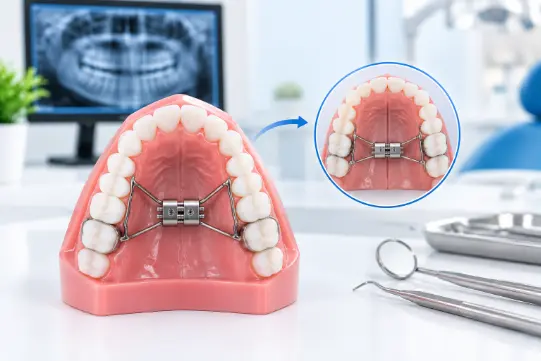
What Is a Palatal Expander?
Does Every Child with Crowded Teeth Need an Expander?
Schedule Free Orthodontic Consultation
Get expert advice, a personalized treatment plan, and a clear path to your ideal smile.
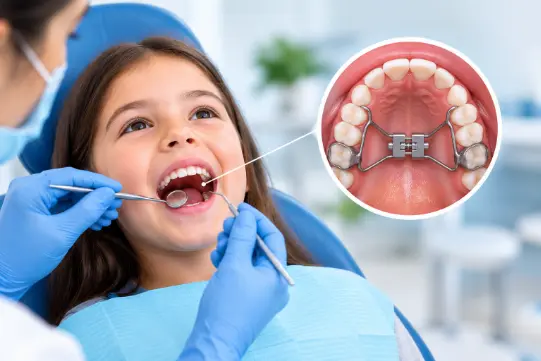
Signs You or Your Child May Need a Palatal Expander
- Posterior Crossbite : Upper back teeth bite inside the lower back teeth.
- Narrow Upper Jaw : The upper jaw may be too narrow relative to the lower jaw.
- Dental Crowding : Limited arch space may contribute to overlapping or displaced teeth.
- Jaw Shifting : The lower jaw shifts to one side when closing into the bite.
- Asymmetric Bite : A narrow upper arch may contribute to uneven bite relationships.
- Developing Eruption Problems : Selected tooth eruption concerns may be associated with inadequate arch width.
What Orthodontic Problems Can Palatal Expanders Address?
Posterior Crossbite Correction
Widening the upper arch can improve selected crossbite relationships.
Narrow Upper Jaw
Skeletal expansion may improve upper jaw width in appropriately selected patients.
Space for Developing Teeth
Expansion may create additional arch perimeter in certain cases.
Functional Jaw Shifts
Correcting a constricted upper arch may help eliminate selected bite-related mandibular shifts.
Arch Width Discrepancies
Expansion can improve selected differences between upper and lower dental arch widths.
Preparation for Comprehensive Orthodontics
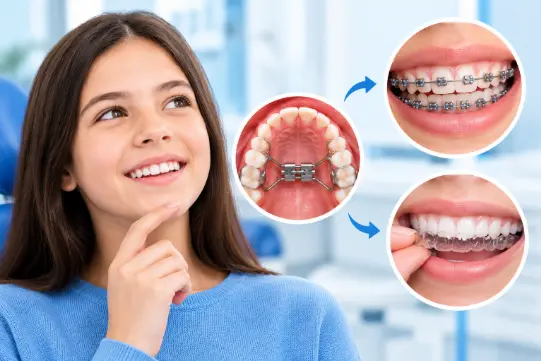
Expansion may be one component of a larger treatment plan involving braces or clear aligners.
READY FOR A HEALTHIER, STRAIGHTER SMILE?
Palatal Expanders for Children vs. Adults
| Feature | Children & Growing Teens | Older Teens & Adults |
|---|---|---|
| Skeletal maturity | Midpalatal suture generally more responsive | Greater resistance to skeletal expansion |
| Common approaches | Conventional RPE or other expansion appliances | MARPE, dental expansion, or surgical approaches |
| Primary goal | Correct selected developing transverse discrepancies | Address dental or skeletal width discrepancies |
| Need for surgery | Often not necessary | May be required in selected cases |
| Treatment planning | Growth and eruption considered | Skeletal maturity and periodontal limitations considered |
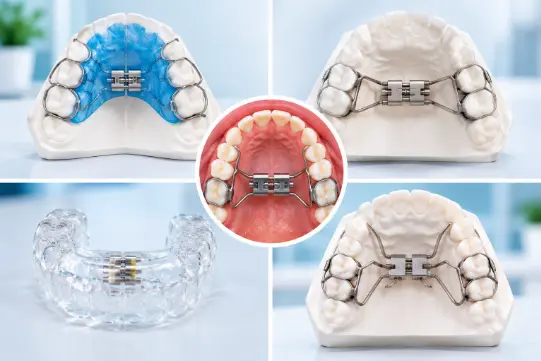
Types of Palatal Expanders
- Rapid Palatal Expander (RPE) : A fixed appliance commonly used in growing patients to widen a narrow upper jaw through controlled activation.
- Hyrax Expander : A common fixed, screw-based expander attached to selected upper teeth, often using metal bands.
- Haas Expander : A fixed expander that incorporates acrylic palatal support in addition to dental anchorage.
- MARPE / MSE : Miniscrew-assisted rapid palatal expansion uses temporary skeletal anchorage to help achieve expansion in selected older teenagers and adults.
- Surgically Assisted Expansion : Selected skeletally mature patients may require surgical assistance to address significant transverse skeletal discrepancies.
Your Palatal Expander Treatment Journey
01 — Complimentary Orthodontic Evaluation
Dr. Jacob evaluates your teeth, bite, upper jaw width, and skeletal development. Digital scans and appropriate imaging help guide diagnosis.
02 — Personalized Expansion Planning
We discuss whether expansion is necessary, the recommended appliance, treatment goals, expected duration, and financial arrangements.
03 — Expander Placement
The selected appliance is fitted or placed. Our team explains how it works and provides detailed care and activation instructions when applicable.
04 — Active Expansion
The appliance is activated according to your individualized schedule. Dr. Jacob monitors progress and makes adjustments when needed.
05 — Stabilization & Retention
After the desired expansion is achieved, the appliance may remain in place for several months to help stabilize the result.
06 — Further Orthodontic Treatment, If Needed
Braces, Invisalign®, or additional treatment may be recommended to complete alignment and bite correction.
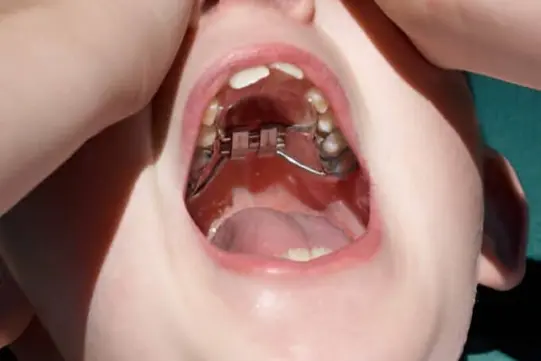
Does a Palatal Expander Hurt?
Important: Follow Your Prescribed Activation Schedule
Can Adults Get Palatal Expanders?
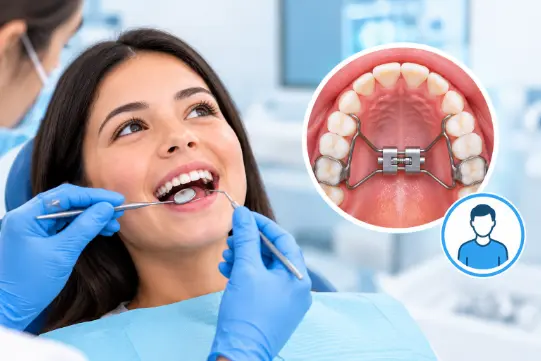
How Long Does Palatal Expansion Take?
Several Weeks — Active Expansion
Gradual widening using the prescribed activation schedule
3–6+ Months — Stabilization
Appliance remains in place to support retention
Varies — Additional Orthodontics
Braces or aligners may be recommended afterward
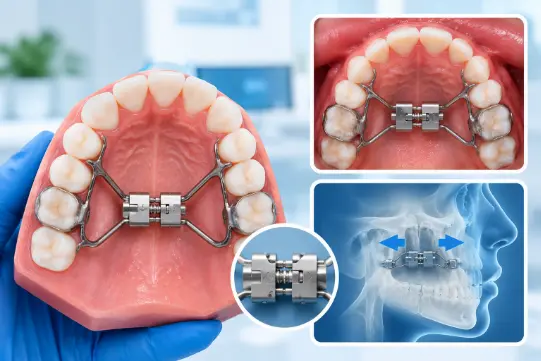
What Is MARPE?
MARPE vs. Traditional Palatal Expansion
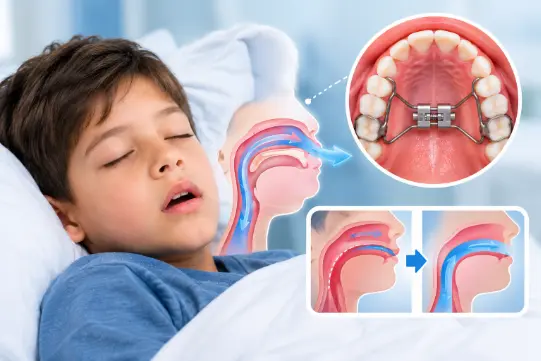
Can Palatal Expansion Improve Breathing or Airway Problems?
Will I Need Braces or Invisalign® After Expansion?
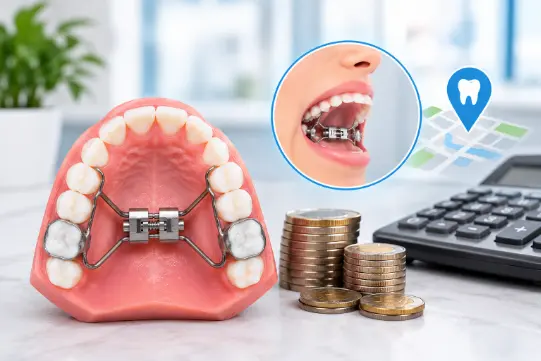
How Much Does a Palatal Expander Cost in Sunnyvale, TX?
- Flexible Monthly Payments : Available arrangements to make orthodontic treatment more manageable.
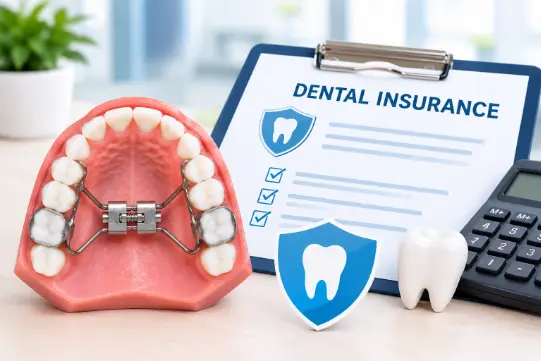
- Insurance Benefit Verification : Assistance reviewing applicable orthodontic coverage.
- CareCredit & Cherry : Financing options for eligible applicants, subject to terms.
- Transparent Treatment Estimates : Understand the recommended appliance, treatment plan, and costs before beginning.
Does Dental Insurance Cover Palatal Expanders?
- Delta Dental
- MetLife
- Cigna
- Aetna
- GEHA
- Other Major PPO Plans
Why Choose Smile City Orthodontics for Palatal Expansion?
American Board-Certified Orthodontist
Dr. Jacob personally evaluates jaw width, bite relationships, and treatment needs.
Privately Owned Family Practice
Continuity of care with the same owner-orthodontist.
Advanced Digital Technology
Digital scanning and clinically appropriate 3D imaging support treatment planning.
Individualized Appliance Selection
Expansion recommendations are based on age, skeletal maturity, and diagnosis.
Treatment for Different Ages
Care for growing children, teenagers, and selected adults.
Flexible Payment Options
Insurance assistance and available monthly financing.
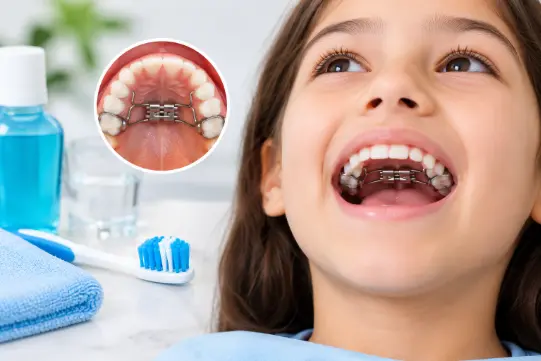
How to Care for Your Palatal Expander
- Keep the Appliance Clean : Brush carefully around the expander, teeth, and gumline. Use recommended cleaning aids to remove trapped food.
- Follow Activation Instructions : Turn the expander only as prescribed. Do not change the schedule without guidance.
- Avoid Hard & Sticky Foods : Protect the appliance from foods that may loosen or damage its components.
- Attend Follow-Up Visits : Regular appointments help Dr. Jacob monitor expansion and appliance stability..
- Report Problems Promptly : Contact our office if the expander becomes loose, causes significant pain, or creates persistent tissue irritation.
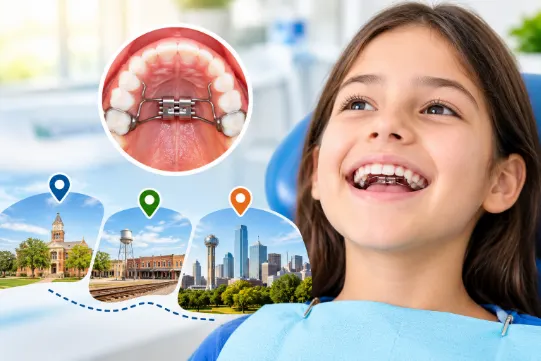
Palatal Expanders Near Mesquite, Forney & East Dallas
Frequently Asked Questions About Palatal Expanders
What is a palatal expander?
At what age should a child get a palatal expander?
Does every child with crowded teeth need an expander?
No. Some crossbites can be corrected by moving individual teeth. Expansion is considered when upper jaw or arch width contributes to the problem.
How long does a palatal expander stay in?
Does a palatal expander hurt?
Will a gap develop between the front teeth?
A temporary space may develop during skeletal expansion and is often an expected response.