
Wondering about aligners vs braces in Sunnyvale, TX? At Smile City Orthodontics, you have many options. Getting your teeth straight no longer means you must live with bulky metal braces. You can now pick from comfortable, clear aligners or tried-and-true braces. Both give great results, but one may fit your needs and lifestyle better.
Let’s break down the pros, cons, and key differences. This simple guide will help you feel more confident about your orthodontic care choices.

What Are Aligners?
Aligners are clear trays made from safe, soft plastic. Brands like Invisalign lead the way, but new types appear each year. Each tray is made to fit your teeth at each stage of your treatment plan. You wear a set for one to two weeks, then switch to the next tray in the series. Step by step, your teeth move into better alignment.
How Aligners Work
Invisalign aligners are removable, so you can take them out to eat, brush, or floss. This means almost no food restrictions and makes caring for your teeth easy. Your orthodontist will teach you how the trays fit and how to switch them. Many people find aligners more comfortable than braces. The smooth plastic will not scratch your gums or mouth.
Advantages of Aligners
- Comfort: No wires or metal brackets to poke your cheeks.
- Clear appearance: Most people cannot see your aligners, so you can smile with confidence.
- Flexibility: Take out your trays during meals, snacks, and for special occasions.
- Better oral hygiene: Since Invisalign aligners are removable, brushing and flossing is simple.
- Aesthetics: Great for teens and adults who want their treatment to stay private.
- Convenience: Fewer visits for adjustments throughout your treatment process.
Potential Drawbacks of Aligners
- Patient compliance: You must wear Invisalign aligners 20 to 22 hours each day. Skipping time can slow your results.
- May not fit every case: Severe crowding, bite problems (like crossbites or deep overbites), and complex teeth alignment may need braces for the best results.
- Cost: In some cases, Invisalign aligners like Invisalign can cost more than traditional braces.
- Trays can be lost: If you forget a tray somewhere or break it, you might need a replacement, which takes time and can increase costs.
Who Should Consider Aligners?
Aligners work well for people who want a flexible, nearly invisible solution. If your alignment issues are mild to moderate and you can stick to the wear schedule, aligners can work great. Busy teens and adults in Sunnyvale love Invisalign aligners for their comfort and freedom.
What Are Braces?
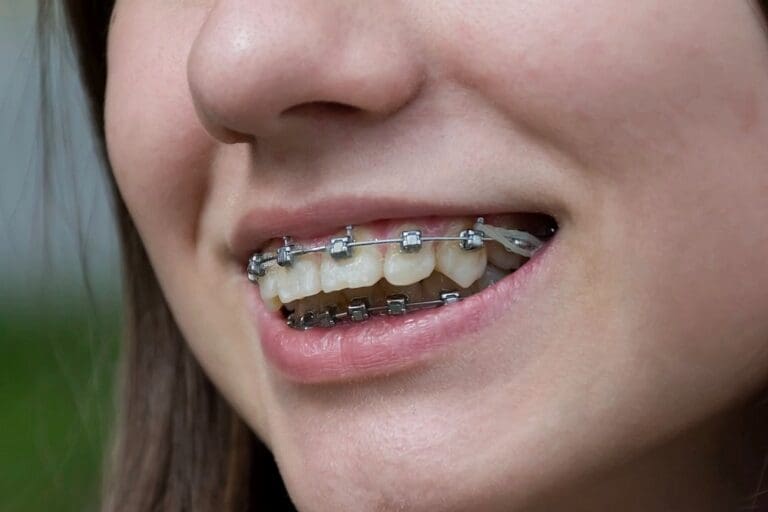
Braces use brackets that are fixed to your teeth. Wires connect these brackets and guide tooth movement throughout your treatment timeline. Classic braces are metal, but ceramic options are less visible and may appeal to those who want a more subtle look.
How Braces Work
Unlike Invisalign aligners, you cannot take off braces until your smile transformation is complete. This helps make sure the process stays on track, no matter what. Dr. Yajun Cui, a family orthodontist in Arlington, MA, points out that braces are set and working all the time, so there’s no need to remember wear schedules.
Advantages of Braces
- Effective for all cases: Braces can solve mild, moderate, and even very tough problems, like severe crowding or big bite changes.
- No discipline needed: Because you cannot remove them, you never forget to “wear” your treatment.
- Great results: Braces can fix almost any alignment or bite problem. With modern tools and skilled care, they move teeth with strong control and precise results.
- Proven track record: Orthodontists have used braces for many years with reliable results.
Drawbacks of Braces
- Discomfort: Brackets and wires can irritate your cheeks and lips. This is common at the start of treatment or after adjustments.
- Visible in your smile: Even modern brackets show, no matter which material is used.
- Food restrictions: You need to stay away from sticky, chewy, or hard foods—gum, popcorn, and some candies can break wires or brackets.
- Oral hygiene: Brushing and flossing take more time as you work around each bracket and wire.
- Maintenance and repairs: You may need extra appointments for broken brackets or wires.
Who Should Consider Braces?
Braces are often best for kids and adults with tough cases. If you don’t want to risk losing a tray, prefer lower costs, or have major bite problems, braces are likely the better pick. For children, braces also help parents ensure the treatment is always working.
Your Options Comparison: Aligners vs Braces
When you’re deciding between Invisalign aligners and braces, consider these important factors for your treatment plan:
1. Orthodontic Needs and Complexity
Choosing between braces and aligners often depends on how complex your case is. Some alignment problems are easy to fix. Others need closer control and more adjustments during treatment.
- Braces treat every case, from simple to complex.
- Aligners are best for mild or moderate alignment issues.
- Severe bite problems, like crossbite, may need the special adjustments only braces provide.
2. Comfort, Aesthetics, and Lifestyle
Treatment time varies based on your starting point and goals. Mild alignment issues may move quickly, while complex bite corrections take more time and careful planning.
- Aligners are comfortable and low-key, perfect for people who don’t want visible treatment.
- Braces show more but are always working, no need to remember to put them back after eating.
3. Treatment Timeline and Results
Treatment time varies based on your starting point and goals. Mild alignment issues may move quickly, while complex bite corrections take more time and careful planning.
- The treatment timeline may be shorter for mild cases with Invisalign aligners. More complex issues may take longer, and braces can handle these well.
- Your orthodontist will create a custom treatment plan for you. The plan is based on your oral health, your goals, and how your teeth look now.
4. Maintenance, Hygiene, and Appointments
Both options need commitment to good oral hygiene and regular office visits. Keeping up with care at home plays a major role in your final results.
- Both options need regular visits to the orthodontist. These appointments help check progress and make needed adjustments.
- Braces need more daily work for brushing and flossing, while aligners mean less hassle but more responsibility.
- You must keep aligner trays in their case when not in use and clean them daily.
5. Food and Drink Restrictions
Diet is another factor to consider. Some treatments limit what you can eat, while others offer more freedom.
- No food restrictions with aligners, just take them out!
- Braces mean you must avoid hard, sticky, or chewy foods to avoid damage.
6. Cost, Insurance, and Payment Options
Cost can vary depending on your case and treatment length. It’s important to review pricing and payment plans before starting.
- Aligners can sometimes cost more, but prices are often close.
- Many offices offer payment options or financing. Check with your Smile City Orthodontics team for your exact quote and insurance coverage.
7. Reliability and Patient Compliance
Cost can vary depending on your case and treatment length. It’s important to review pricing and payment plans before starting.
- Aligners require you to follow instructions. Missing even a few hours a day makes a big difference.
- Braces do not depend on patient discipline, so progress never stalls from forgetfulness.

Make Your Decision with Confidence
Aligners and braces both have clear benefits. Aligners offer comfort, appearance, and flexibility. Braces bring proven results and can treat even severe cases.
Your orthodontic journey is personal. At Smile City Orthodontics, we help you compare your options. We answer your questions and guide you to the best choice for your smile, budget, and schedule. Book your consultation today and take the first step toward a healthier, straighter smile!
About the Authors
Dr. George Jacob – Orthodontist in Sunnyale, TX
Dr. Yajun Cui – Orthododontist in Arlington, MA
Frequently Asked Questions
What is the cost difference between braces and aligners?
On average, traditional metal braces can range from $3,000 to $7,000, depending on the complexity of the case and the duration of treatment. On the other hand, clear aligners, like Invisalign, typically fall within the $3,000 to $8,000 range. While the prices can overlap, aligners might sometimes edge out as slightly more expensive due to their discreet nature and the technology involved.
What’s the cheapest way to straighten teeth?
If you’re looking to straighten your teeth without breaking the bank, you might want to consider clear aligners as a budget-friendly option. These nifty little devices are often more affordable than traditional braces and can be done at home, saving you some trips to the orthodontist. Companies like SmileDirectClub or Byte offer these services, where you get a custom set of aligners delivered right to your door.
Which hurts more, aligners or braces?
When it comes to discomfort, both have their moments. Aligners, those clear, removable trays, might feel snug and a bit tight at first, especially when switching to a new set, but they generally cause less irritation since there are no metal brackets or wires involved. Braces, on the other hand, can be a bit more of a nuisance with their metal components, which might poke or rub against your cheeks and lips, especially after adjustments.